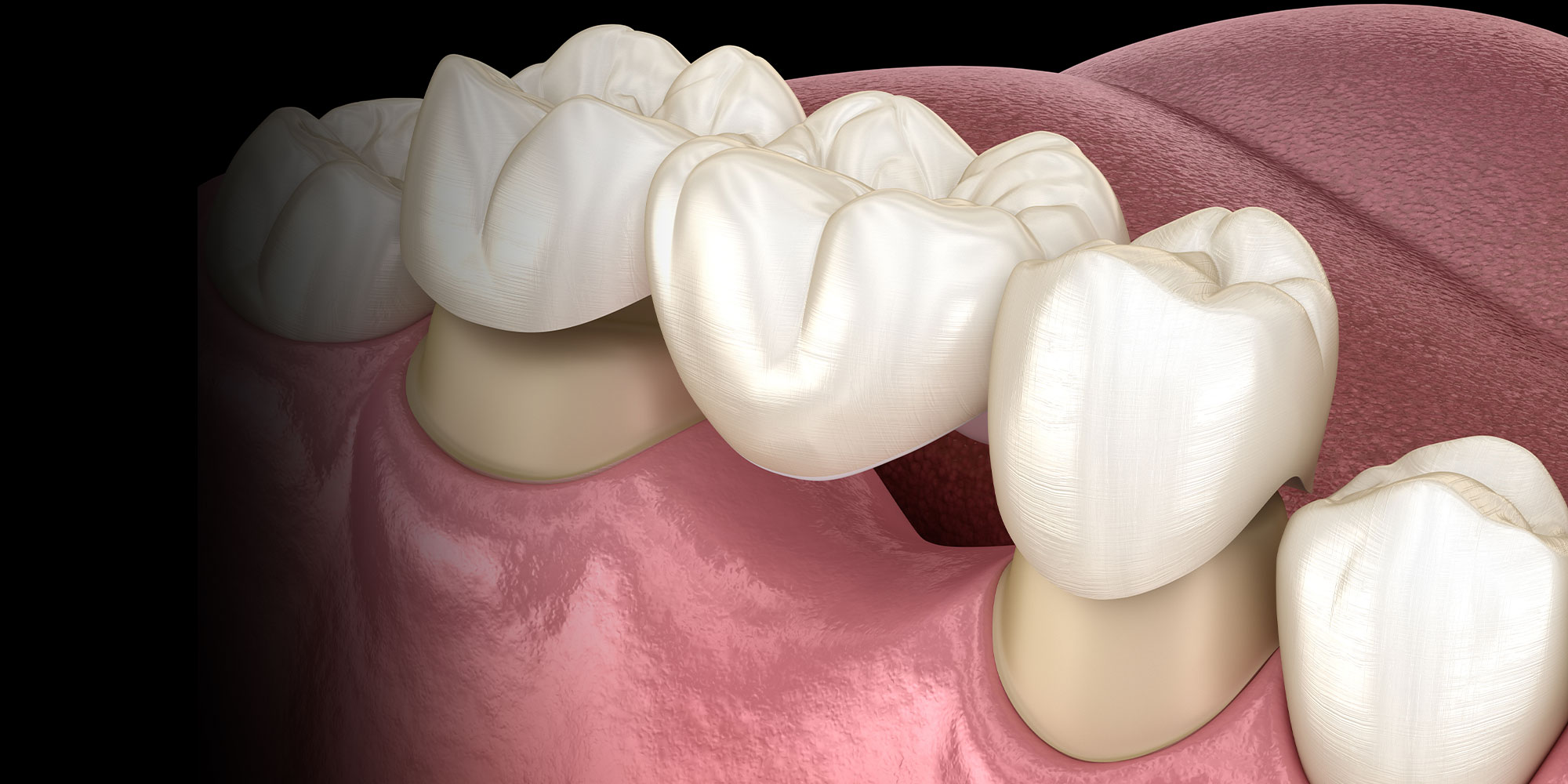
The restoration process begins with rigorous diagnostics, utilizing digital scans and X-rays to assess the underlying supporting structures. During a crown procedure, a dentist reshapes the natural tooth into a stable foundation, while bridge work requires precise preparation of adjacent teeth or implants to anchor the prosthetic. These steps are critical; any lack of precision can lead to long-term complications like recurrent decay or bite dysfunction.
Temporary restorations serve as a vital transitional phase, protecting exposed surfaces and allowing the patient to adapt before permanent placement. Once the final prosthetic is cemented, its success hinges on meticulous maintenance. Dr. Santamaria notes that while these restorations provide necessary stability, they are not impervious to wear. Patients must commit to rigorous oral hygiene—often incorporating specialized tools like floss threaders—and avoid habits such as grinding or chewing on hard objects to prevent premature damage. Regular professional monitoring remains essential to catch shifting bites or minor stress-related issues early, ensuring the restoration continues to support the natural teeth for years to come.


Comments (0)
No comments yet. Be the first!