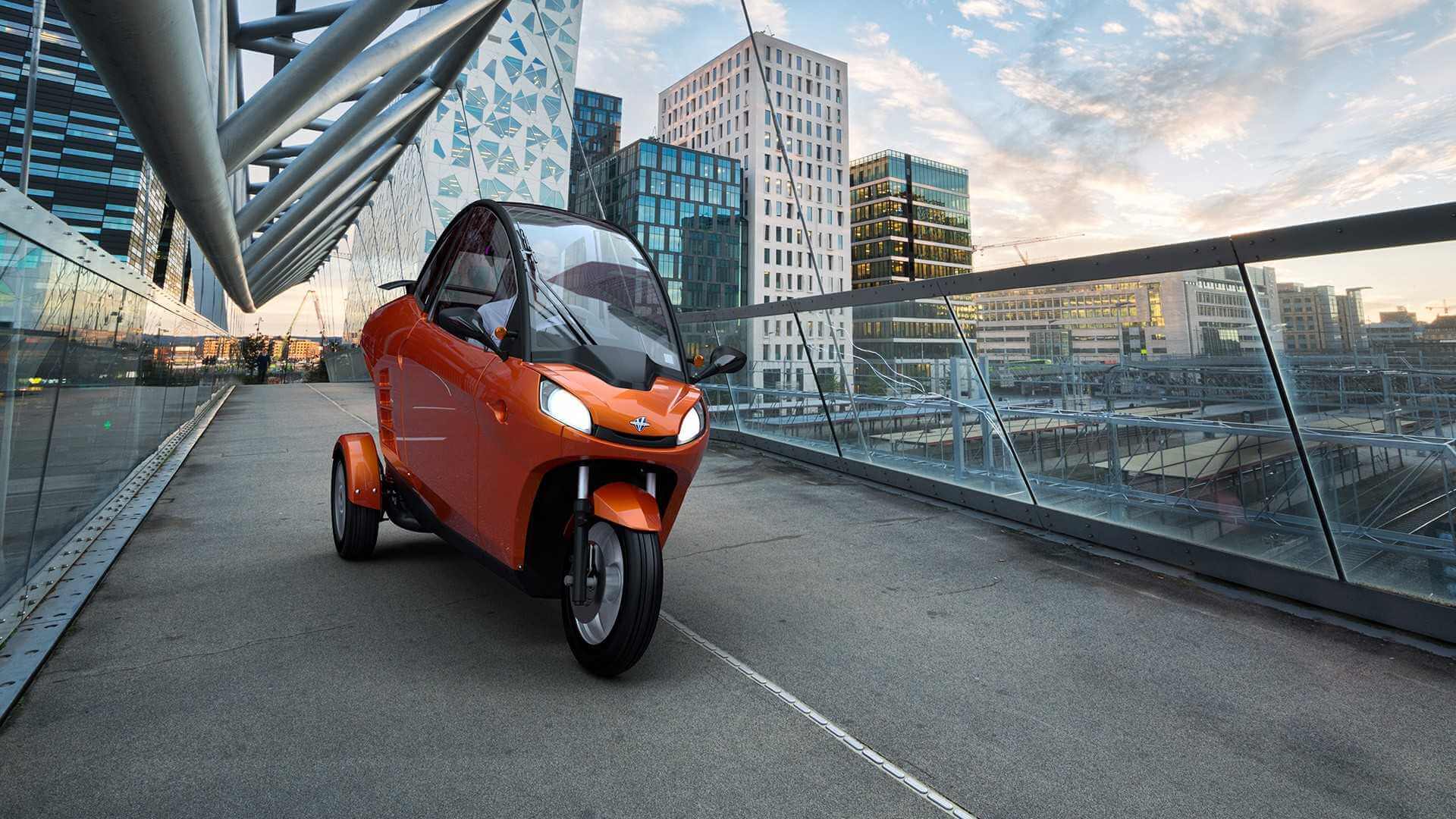
The Netherlands currently operates the global benchmark for two-wheeled transit, boasting 22 million bicycles and a 153,000-kilometre network. However, the LEVERAGE project survey of nearly 2,000 residents suggests a significant shift in transport habits. One-quarter of respondents are considering purchasing a light electric vehicle, with 75% expecting to reduce their car usage as a result. This transition promises to extend cycling-based mobility into suburban and rural territories, aiding broader decarbonization efforts.
Despite the enthusiasm for electric alternatives, the physical reality of shared paths creates friction. Researchers using eye-tracking and skin-conductance sensors found that while fatbikes and e-cargo bikes command more visual attention from traditional cyclists, they do not inherently trigger stress when operated predictably. Paul van de Coevering, professor of Urban Mobility Planning at BUas, emphasizes that danger stems from user behavior rather than the hardware itself. Data confirms that separated infrastructure remains the most effective tool for maintaining safety. Rather than pursuing bans on specific vehicle types, policy experts advocate for strict speed controls, age requirements, and continued investment in path design to accommodate this evolving fleet.



Comments (0)
No comments yet. Be the first!