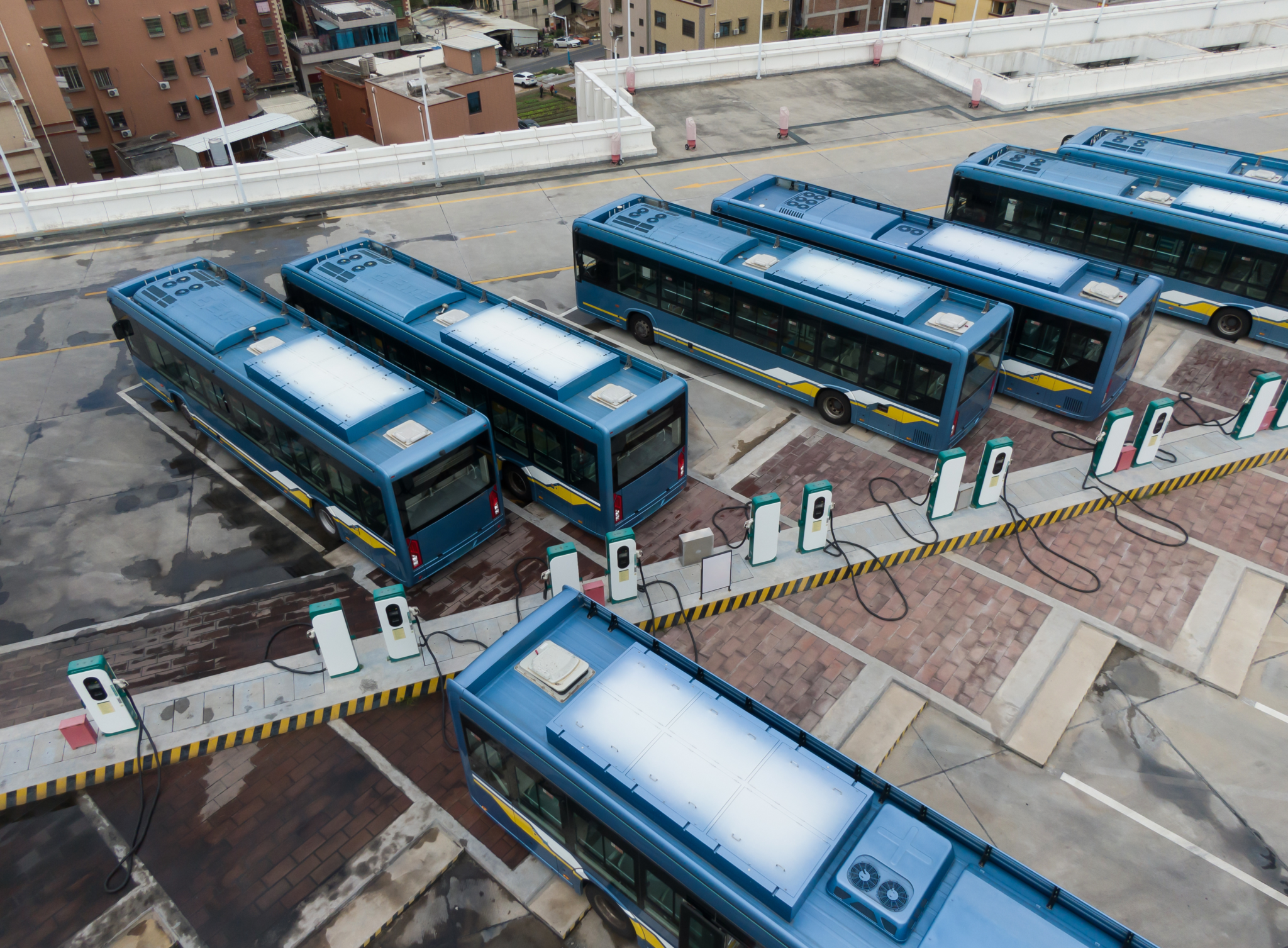
This shift is underpinned by government-led mandates and improving battery economics, which are making large-scale fleet transitions more viable. Industry analysts note that 9–14-meter buses remain the most sought-after configuration due to their balance of passenger capacity and maneuverability. Simultaneously, demand for long-range vehicles—specifically those exceeding 300 miles—is outpacing the broader market as transit authorities move beyond urban centers into intercity and airport-shuttle applications.
While Asia Pacific retains its position as the largest regional market, accounting for approximately 70% of global activity in 2026, other regions are catching up. India, South Korea, and various European markets are accelerating their procurement cycles to meet zero-emission targets. To sustain this growth, manufacturers are increasingly moving away from simple vehicle sales toward integrated ecosystems that include charging infrastructure, fleet-management software, and battery-lifecycle services. Major players, including BYD, Yutong, and Volvo, are actively securing their supply chains through strategic acquisitions, ensuring they can meet the rising demand for standardized, high-performance transit platforms.


Comments (0)
No comments yet. Be the first!