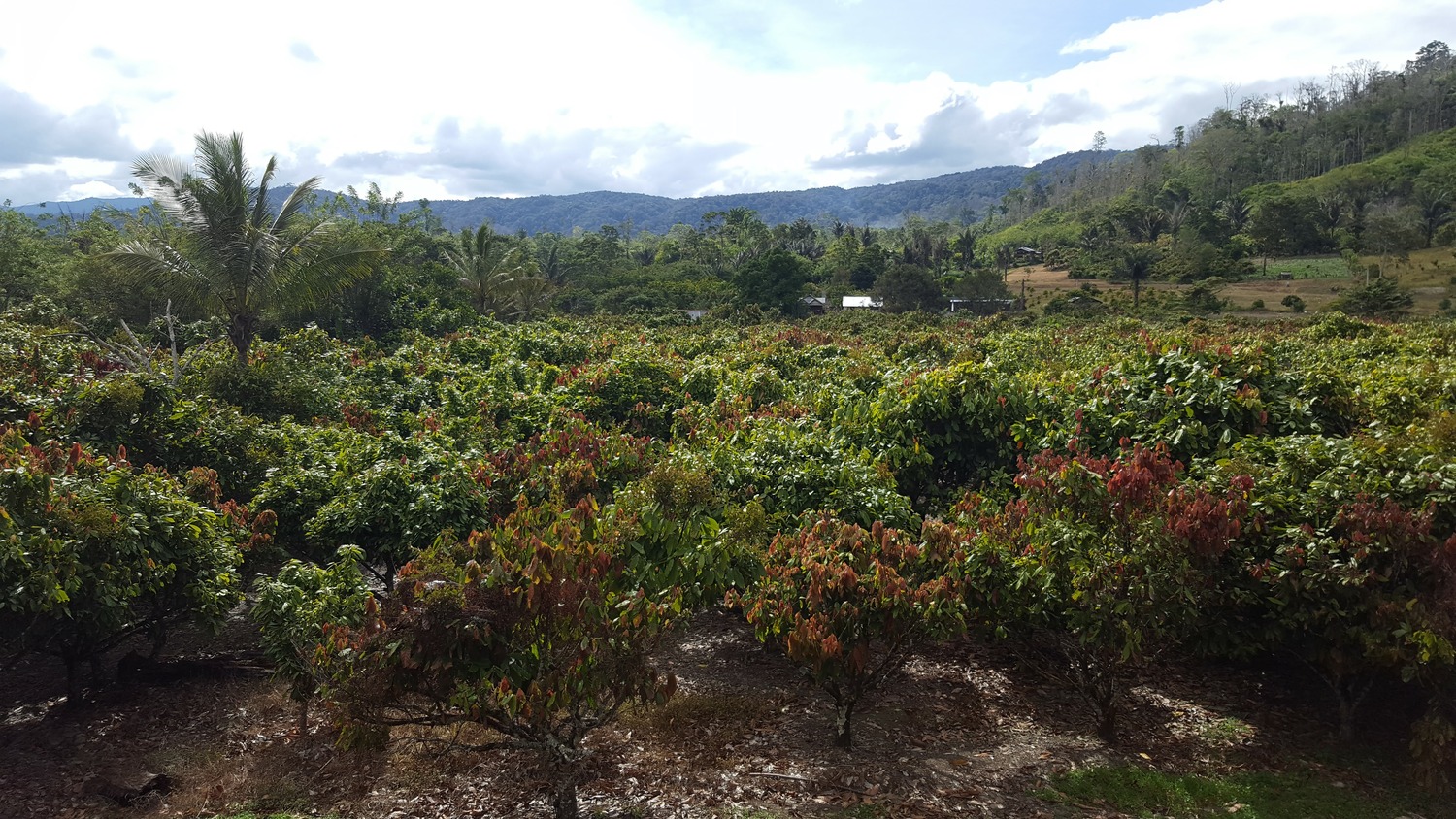
The restoration initiative focuses on reversing damage caused by shifting agriculture and invasive species in one of Indonesia’s most biodiverse regions. By planting a mix of fruit and timber trees, the project aims to stabilize depleted soils and sequester carbon. This model builds upon the foundational field research of Dr. Willie Smits and the Masarang Foundation, emphasizing a layered planting strategy that offers farmers diversified revenue beyond simple carbon credits.
Financial backing arrives through long-term offtake agreements, which solve the prohibitive upfront costs of clearing invasive grasses and establishing nursery stock. Symbiosis Coalition members Google and McKinsey have pledged to purchase 335,000 tonnes over the next decade, marking the coalition’s first move into agroforestry. Simultaneously, Tencent has committed to 300,000 tonnes, representing the tech giant’s inaugural carbon removal contract outside of China. For Thryve.Earth co-founders Vinay Kulkarni and Ron Steinherz, these commitments provide the institutional certainty required to scale restoration efforts while keeping local community needs at the center of land management.


Comments (0)
No comments yet. Be the first!