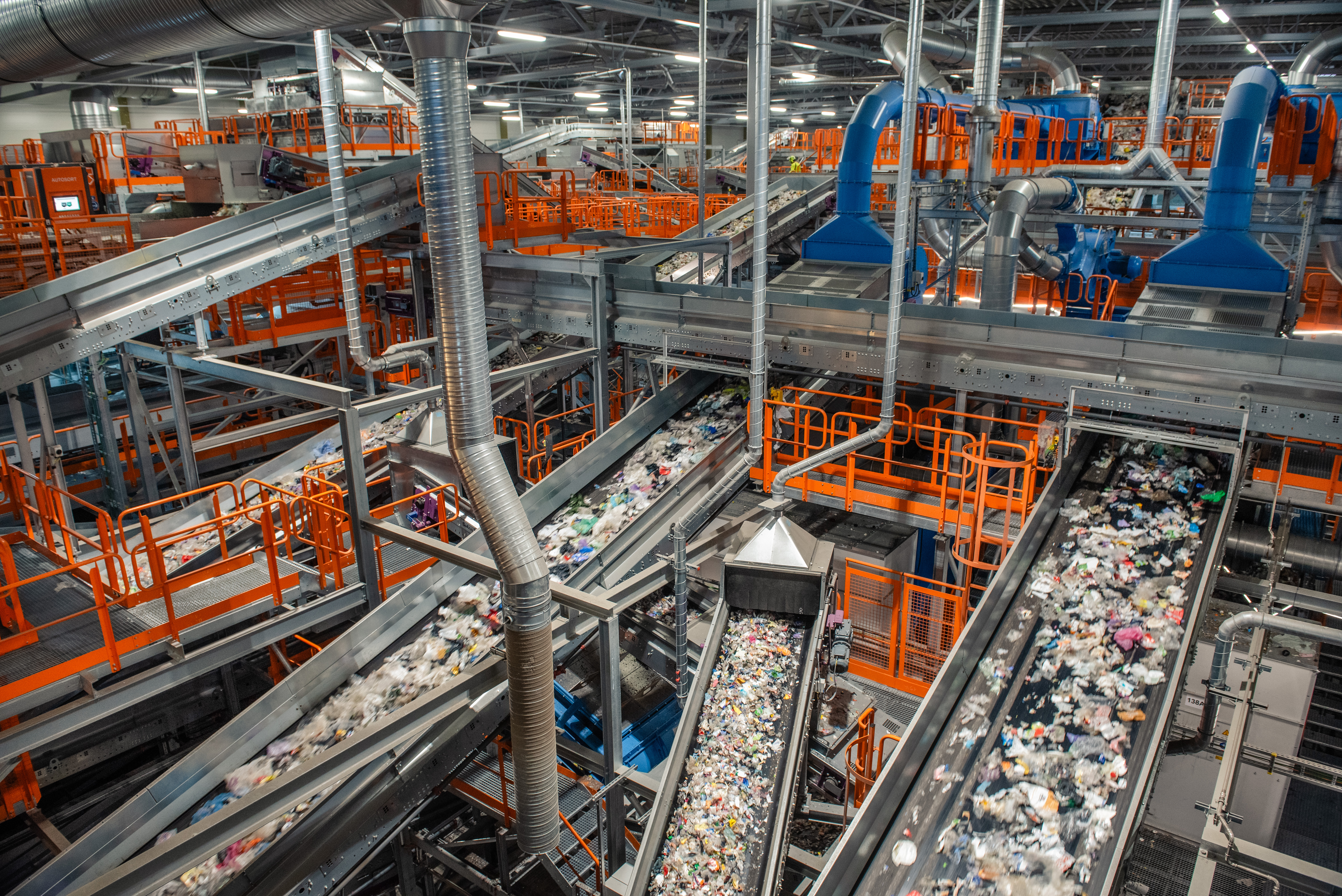
Contamination occurs when non-recyclable items like electronics, food scraps, or films enter the stream. These materials compromise the integrity of paper and cardboard fibers, rendering them useless for future production. Beyond the loss of raw material, physical hazards emerge; plastic bags frequently tangle in facility machinery, forcing costly, manual shutdowns of sorting lines. Batteries and electronics pose even greater risks, as they can ignite during collection or processing, triggering fires in trucks and sorting plants.
To mitigate these issues, San Mateo County municipalities, including Brisbane, Millbrae, and South San Francisco, have standardized their disposal guidelines. The core mandate is consistency: if a resident is unsure whether an item is recyclable, the default action should be disposal in the trash rather than the bin. Rinsing containers and ensuring food waste remains separate from dry recyclables are essential steps to maintain the market value of sorted materials. By adhering to these local protocols, residents help ensure that waste streams remain efficient, safe, and viable for reuse.


Comments (0)
No comments yet. Be the first!