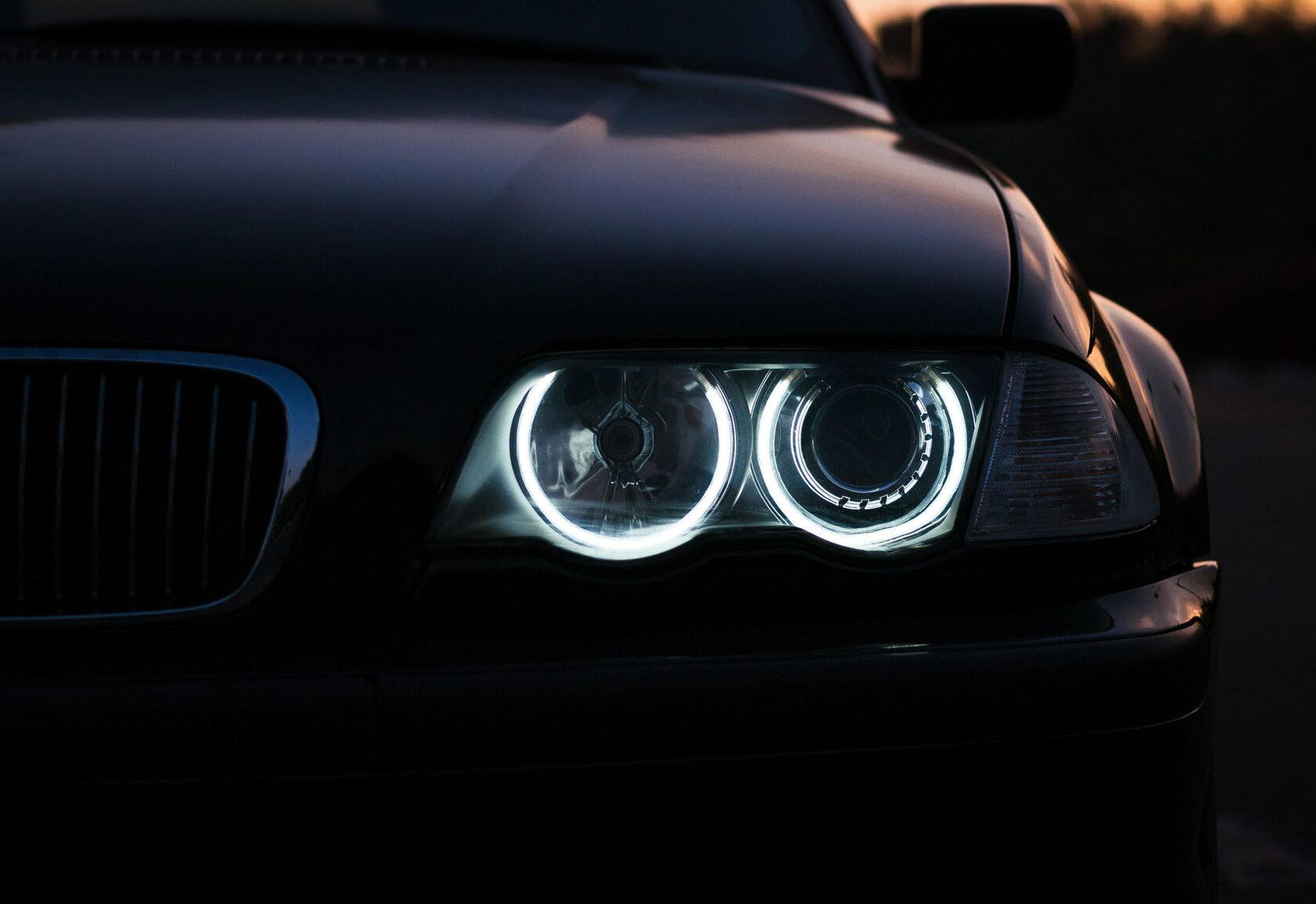
The transition from traditional bulbs to sophisticated, software-controlled architecture is redefining the role of lighting in modern vehicles. Adaptive headlights, pixel-based LEDs, and glare-free high beams are no longer exclusive to luxury models; they are increasingly integrated with Advanced Driver Assistance Systems (ADAS) to facilitate driver-to-vehicle communication and enhance road safety. As electric vehicle adoption accelerates, designers are utilizing illuminated grilles and personalized light animations to create distinct brand identities, though this complexity brings challenges regarding system costs and integration requirements.
Passenger cars remain the primary segment for these advancements, driven by the dual demand for safety and aesthetic differentiation. Simultaneously, interior ambient lighting is emerging as the fastest-growing niche. As cabins evolve into digital-first environments with larger displays and fewer physical controls, manufacturers are deploying multi-zone, programmable lighting to sync with drive modes and infotainment. North America is expected to anchor significant market share, bolstered by localized production efforts from suppliers like FORVIA HELLA and a high concentration of premium SUV and EV platforms. Industry leaders, including Koito Manufacturing, Valeo, and Continental, continue to navigate this landscape by balancing high-resolution technology with the demand for scalable, affordable deployment.



Comments (0)
No comments yet. Be the first!