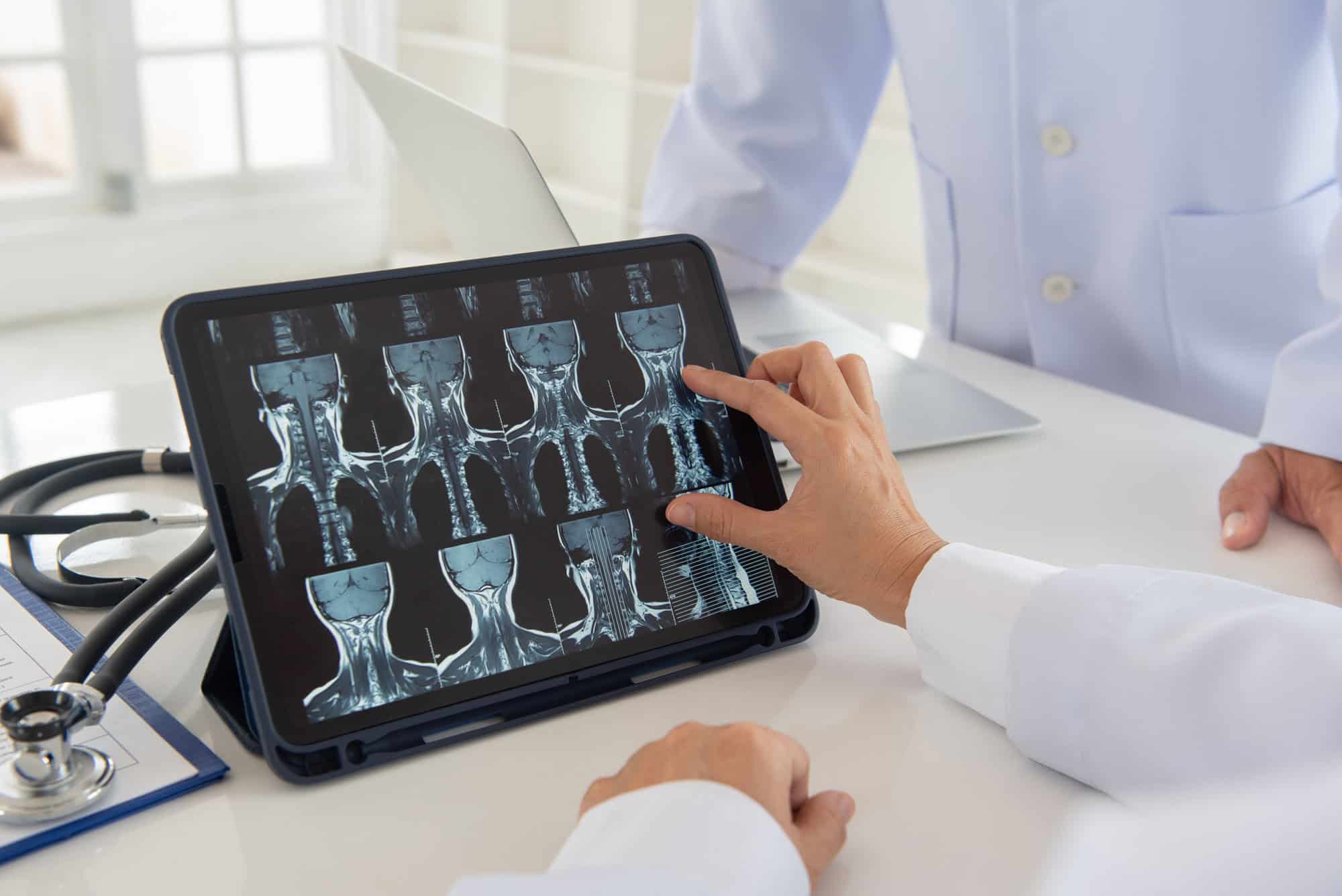
The shift toward remote interpretation is no longer merely a flexible alternative; it has become a strategic necessity for hospital networks struggling to maintain 24-hour diagnostic coverage. Modern healthcare systems are increasingly adopting cloud-based platforms and AI-assisted workflows to manage the influx of CT, MRI, and X-ray data. This transition allows for faster reporting times and provides essential subspecialty access that many facilities cannot support with their own permanent staff.
Scaling Remote Diagnostic Infrastructure
Workforce gaps remain a primary catalyst for this growth, with reports from the Royal College of Radiologists highlighting significant consultant shortfalls in markets like the United Kingdom. Hospitals are responding by integrating teleradiology providers into their emergency stroke and trauma pathways to bridge these gaps. Furthermore, the 2026 Physician Fee Schedule in the United States and evolving FDA guidance for AI-enabled software are providing the regulatory and financial clarity needed for institutions to commit to long-term outsourcing contracts. As providers like I-MED Radiology and Apollo Radiology International consolidate the market through strategic acquisitions, the focus has shifted toward platforms that offer secure cloud connectivity and reliable, real-time diagnostic reporting.


Comments (0)
No comments yet. Be the first!