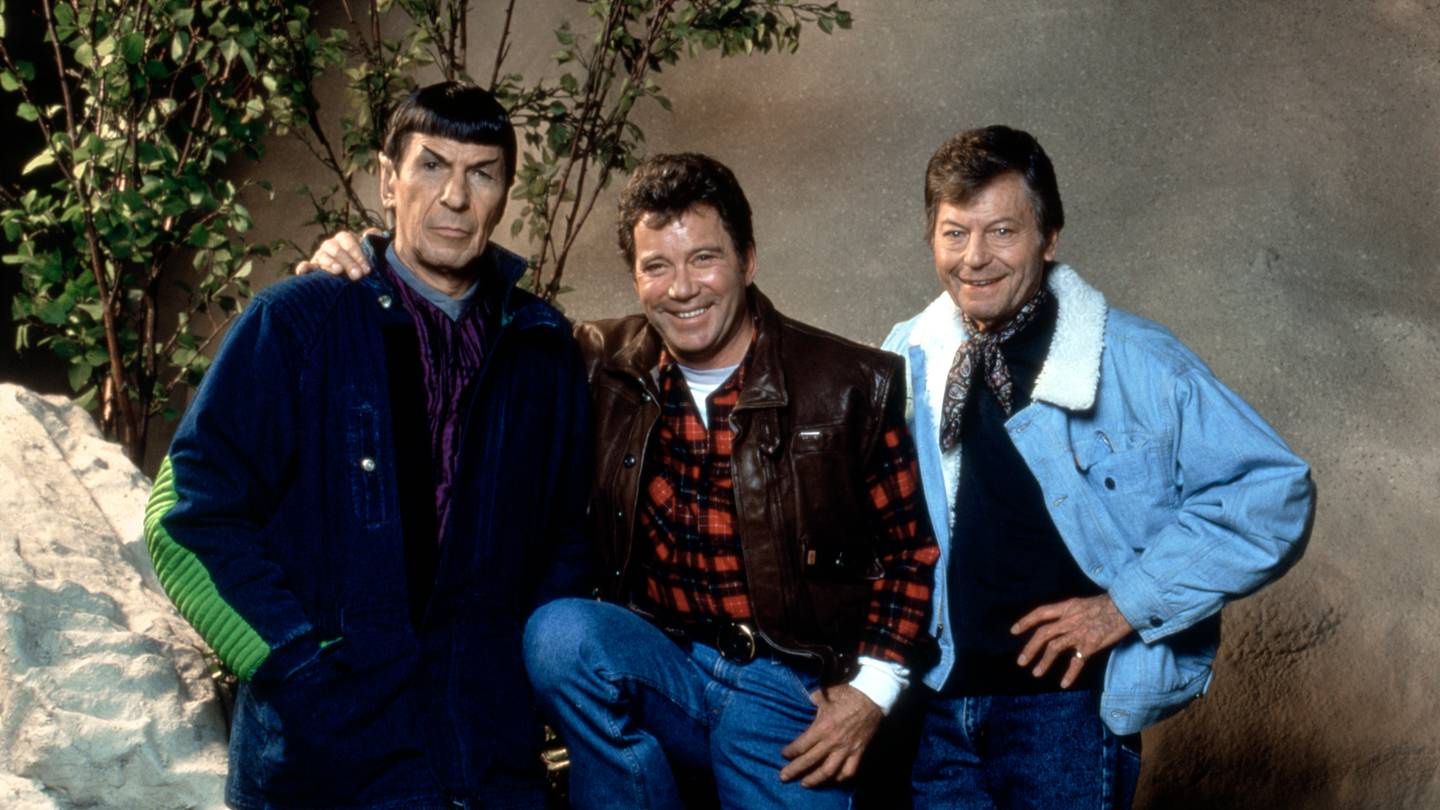
For Shatner, the passage of time has fundamentally altered the geography of his most famous role. While the cultural footprint of Star Trek continues to expand through endless spin-offs and streaming revivals, the core trio that anchored the original series—Kirk, Spock, and McCoy—has been reduced to a solitary figure. Leonard Nimoy, who played the stoic Vulcan, died in 2015 at 83, and DeForest Kelley, the show’s definitive Dr. McCoy, passed away in 1999 at 79.
Shatner suggests that the enduring power of the series never stemmed from its high-concept sci-fi aesthetic or futuristic gadgets. Instead, he credits its survival to a relentless focus on the human condition. By using the bridge of the Enterprise as a stage to interrogate prejudice, loyalty, and grief, the show grounded its interstellar adventures in the familiar complexities of being alive. This philosophy remained central to his own perspective, even when he transitioned from fiction to reality by traveling to space aboard a Blue Origin flight in 2021. Looking back at his career, Shatner insists he was never driven by a singular, rigid ambition for success, but rather a simple commitment to his craft. Today, he views the franchise not as a professional milestone, but as a long, bittersweet collection of moments shared with colleagues who are no longer here to witness the legacy they helped build.



Comments (0)
No comments yet. Be the first!