
While brand websites still hold the majority of total online traffic, younger demographics increasingly view them as purely functional tools. Social commerce, by contrast, integrates discovery, social proof, and viral momentum into a single journey. According to Alastair Lockhart, Insight Director at Savvy, traditional sites often lack the theatre of physical retail, leaving a void that social platforms are currently filling.
The shift extends well beyond fashion and beauty. Consumers are now applying the same social-led decision-making process to household goods, electronics, and food. Data shows that 64% of younger shoppers engage with product reviews on social media, while 57% participate in live shopping events. This trend relies on the psychology of FOMO—fear of missing out—and the influence of creator-led content, which provides a level of confidence that static product grids struggle to replicate.
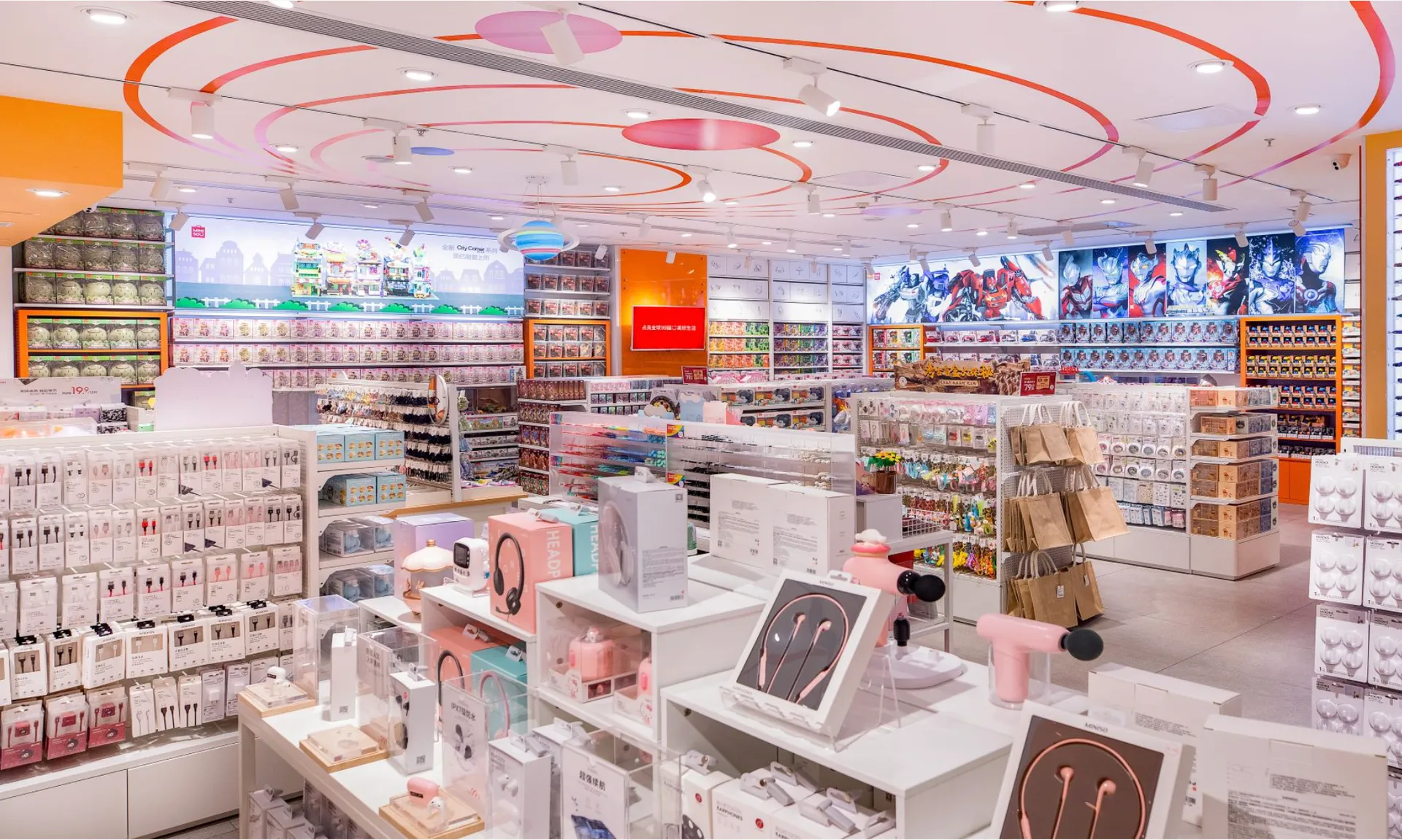
Retailers are now under pressure to bridge this divide by making their own channels more interactive. Some brands have begun aligning in-store inventories with trending social media items, effectively turning viral moments into physical shopping opportunities. As these habits solidify, the seamless integration of social discovery and retail will transition from a unique advantage to a baseline consumer expectation.


Comments (0)
No comments yet. Be the first!