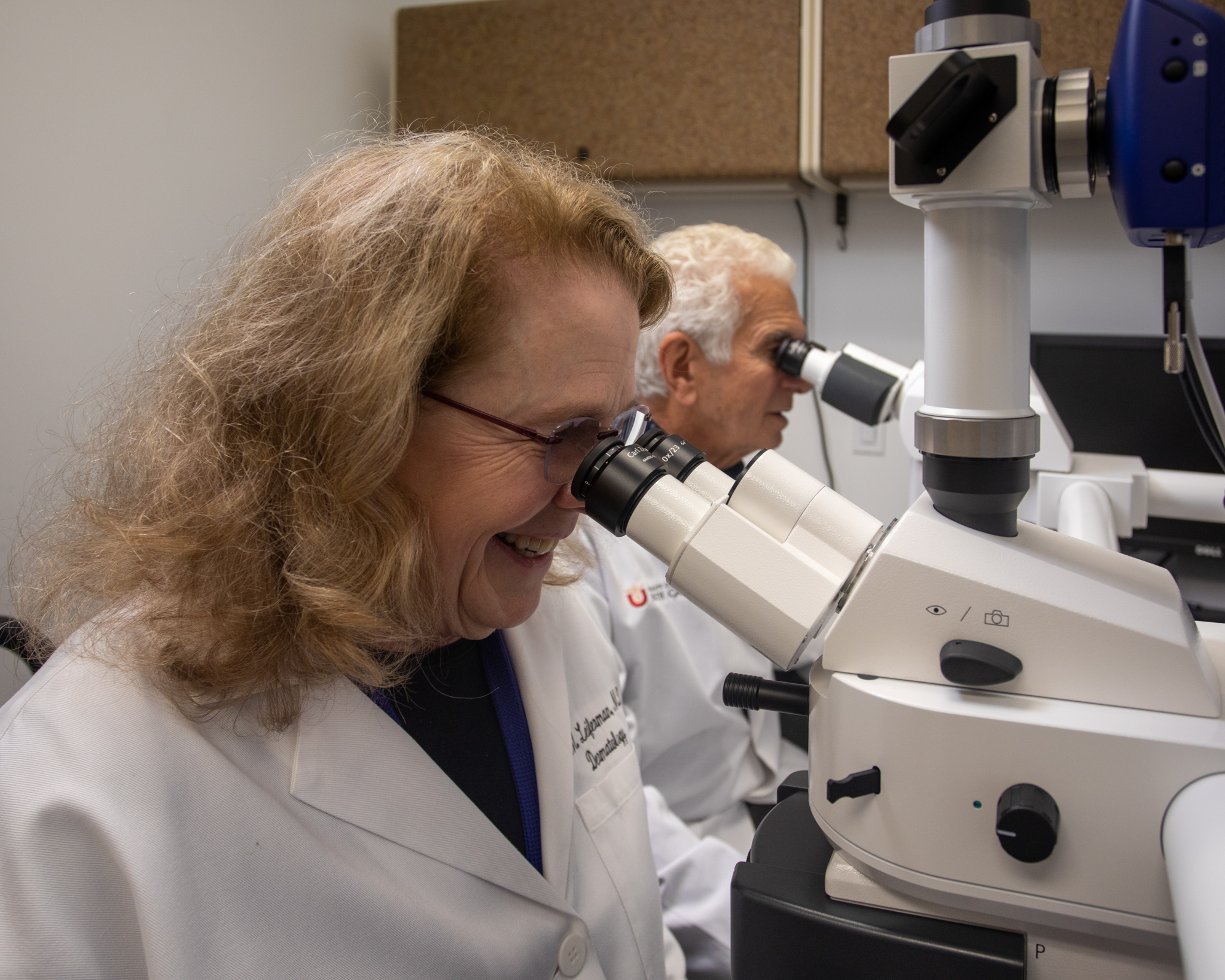
The Branford-based biopharmaceutical company utilized engineered S. epidermidis to produce a supernatant containing rHDfilaggrin, a functional unit of the human protein responsible for skin pliability. In the first of two studies, researchers applied a 2% lyophilized supernatant in a hydrogel to TH2-stimulated skin explants. The team observed that repeated applications significantly increased the delivery of the protein into the stratum granulosum, surpassing the penetration levels achieved in earlier single-dose testing.
A second study focused on the cosmetic impact of the formulation using defatted human skin samples. By varying the concentration of the supernatant, the researchers found a dose-dependent improvement in skin elasticity. Notably, a 0.28% concentration restored elasticity to levels typically found in healthy tissue, while a 7.5% concentration yielded a 4.4-fold increase. CEO Francisco Salva stated that the company is now working to optimize these formulations for future human trials, aiming to translate these laboratory results into visible anti-aging benefits for consumers.



Comments (0)
No comments yet. Be the first!