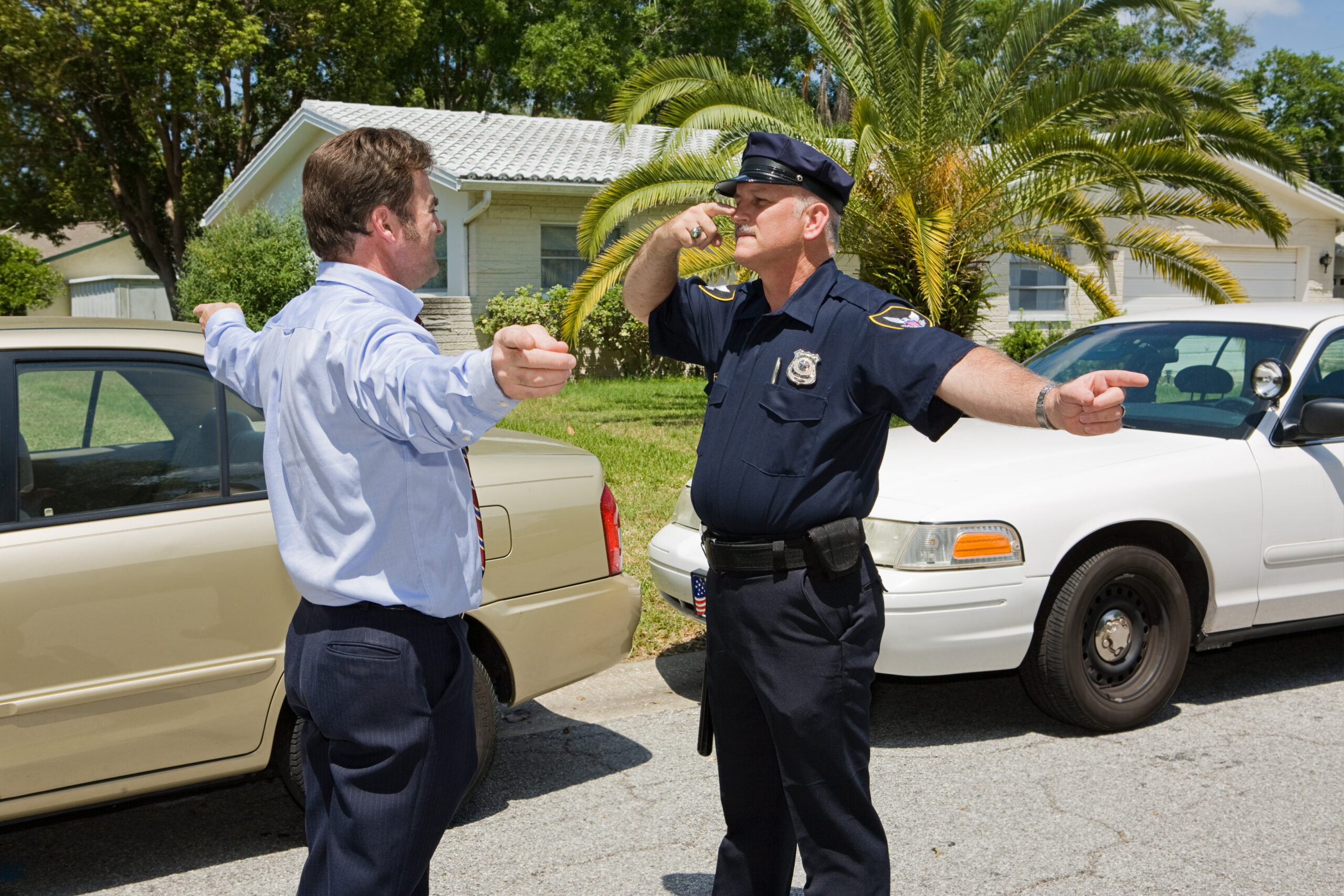
Law enforcement agencies across the state rely on a standard evidentiary framework that begins with roadside field sobriety tests. While these assessments are designed to measure balance and coordination, their subjective nature means that external factors—ranging from medical conditions to environmental stressors—can influence results. These tests act as a preliminary filter before officers move to more objective measures.
Chemical testing, including breath, blood, or urine analysis, provides the numerical backbone of the prosecution's case by establishing blood alcohol concentration. However, the validity of these results depends entirely on strict adherence to administrative protocols. Beyond the numbers, police rely heavily on their own documentation: dashcam footage, body-worn camera audio, and detailed arrest reports. Every statement made by a driver during a stop is recorded and scrutinized, often serving as the deciding factor in establishing probable cause. For those facing charges, understanding the interplay between these reports, equipment calibration records, and officer observations is the first step in building a competent defense.


Comments (0)
No comments yet. Be the first!