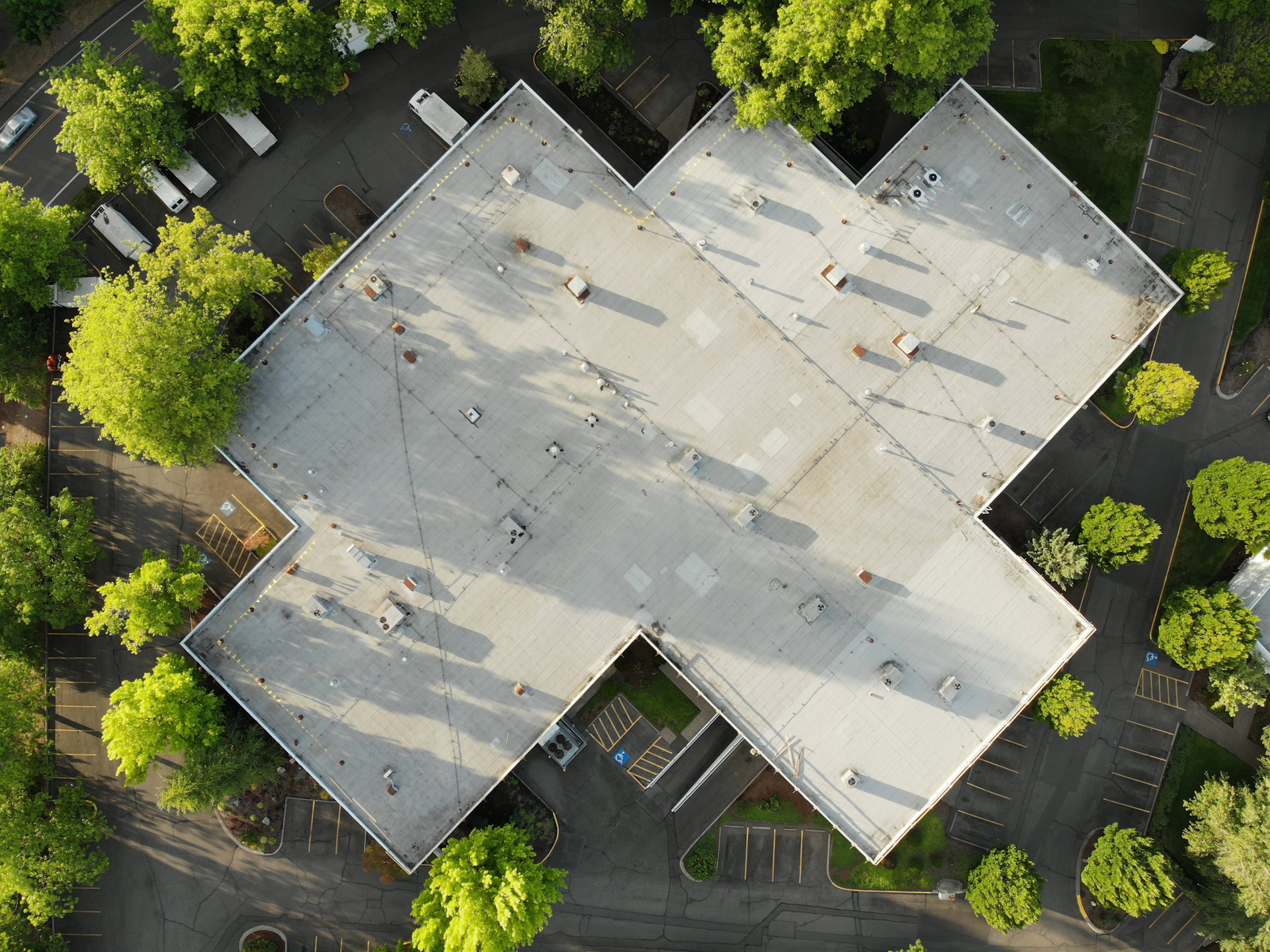
Nearmap’s latest research, which examined properties across nearly 2,100 counties, highlights a direct correlation between local climate conditions and structural longevity. In regions characterized by extreme daily temperature fluctuations, roofs are aging approximately 23% faster than those in stable environments. The disparity is stark: roofs in hot, humid climates reach an average age of just 8.5 years, compared to 11 years in cooler, drier zones.
This trend is forcing a revaluation of regional risk. In Louisiana, for instance, average roof age sits at 8.9 years, necessitating replacement cycles nearly 80% more frequent than in Nevada, where the average is 16.2 years. As the geographic footprint of extreme rainfall has expanded by 750% since 1980, insurers face a growing gap between historical pricing assumptions and current environmental realities. Chief Product Officer David Tobias notes that while catastrophic events like hurricanes draw the most attention, the gradual, cumulative impact of everyday weather is becoming a critical factor in claims frequency and portfolio performance. By integrating property-level intelligence with regional hazard data, companies can now identify which structures are failing due to environmental stress rather than age or maintenance, allowing for more precise underwriting in an increasingly volatile climate.



Comments (0)
No comments yet. Be the first!