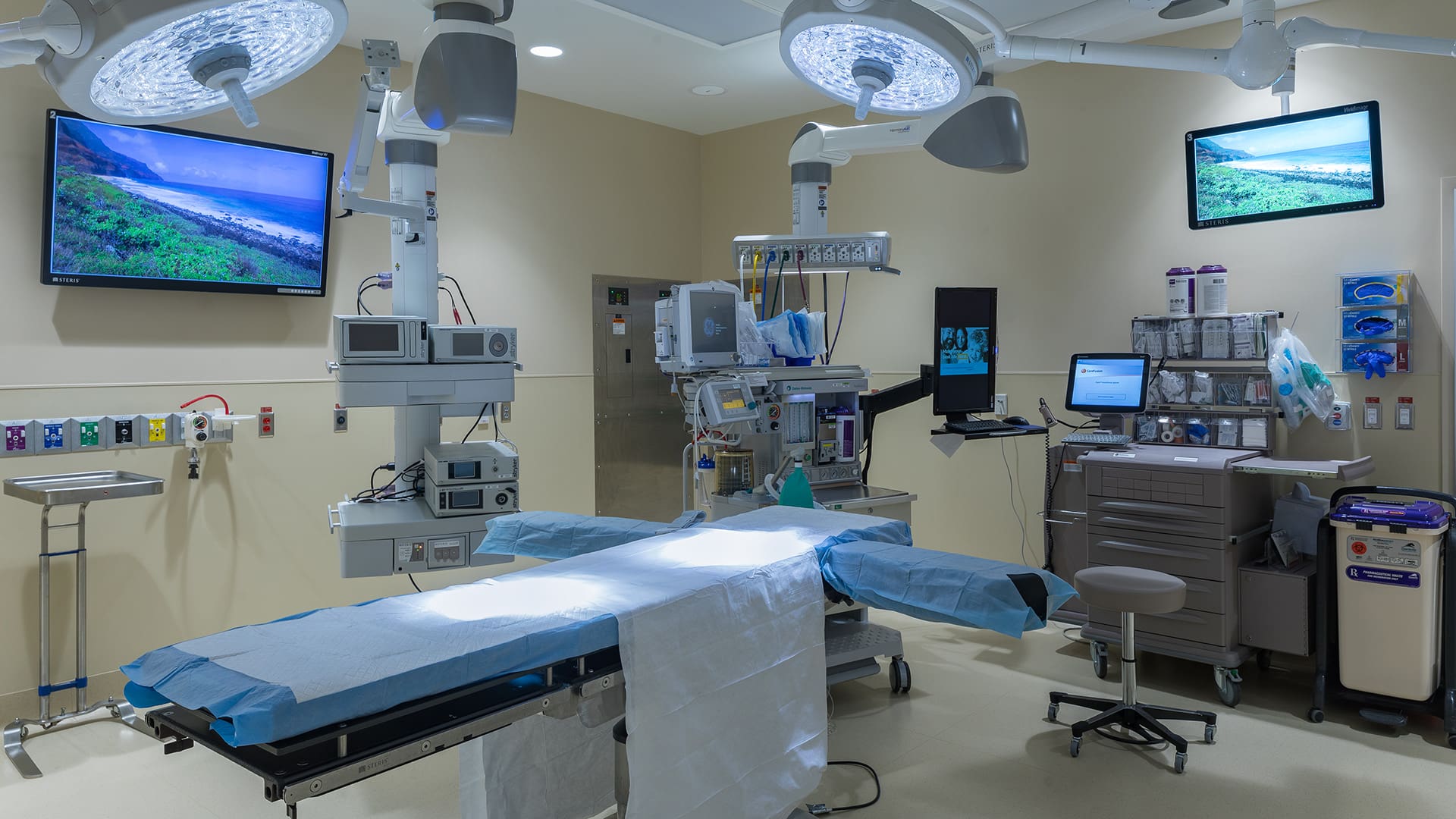
The migration toward outpatient settings is largely fueled by systemic pressure to optimize costs without sacrificing quality. In the United States, the Centers for Medicare & Medicaid Services has expanded its list of covered procedures, incentivizing providers to move complex surgeries out of traditional hospitals. Similar reimbursement reforms and day-surgery initiatives are gaining momentum across Europe, creating a standardized push toward efficiency.
As these centres take on higher-acuity specialties—including orthopaedics, cardiovascular interventions, and spine procedures—the operational demands are rising. Modern operators are no longer just purchasing equipment; they are seeking technology partners that can integrate workflow intelligence, patient monitoring, and data connectivity. Paljit Sohal, Vice President at Frost & Sullivan, notes that the most successful providers are those capable of streamlining the entire surgical journey, from perioperative care to discharge. This evolution forces a move away from capital-cost-focused procurement toward investments that demonstrably boost workforce productivity and patient throughput.


Comments (0)
No comments yet. Be the first!