Released Wednesday, the report assessed retailers’ safer-chemicals policies, ingredient transparency, restrictions on chemicals and plastics, and offerings certified by the Environmental Protection Agency’s Safer Choice program. Toxic-Free Future said consumers increasingly depend on corporate accountability for protection from hazardous materials, as the Trump administration has “largely abandoned” chemical safety as a priority.
Whole Foods, owned by Amazon, has a list of banned or restricted substances and publicizes restricted ingredients on shopping bags. But it did not report progress toward its goal of cutting its chemical footprint by 30% by 2025, and has not supported government policies to reduce or eliminate chemicals or plastics of high concern. Walmart disclosed the percentage reduction in the chemical footprint of formulated products, the report said, but provided less information about the total amount of toxic chemicals in them. Amazon, Dick’s Sporting Goods and Walgreens also recorded declines of at least 10 percentage points.
Cheri Peele, a report co-author and Toxic-Free Future’s director of government and market policy, called the setbacks a “wake-up call” after a decade of growing retailer action. Apple, IKEA, Target and Sephora earned A or A-minus grades for comprehensive policies covering products, manufacturing, private-label goods and brand-name items. IKEA’s score rose 11 percentage points; the company has restricted substances including formaldehyde, PVC, PFAS, BPA and expanded polystyrene in some products. In 2025, it introduced a total PFAS ban in all its large materials.
Dollar Tree improved the most, gaining 16 points after tightening reporting requirements, expanding its restricted-substance list and requiring private-label suppliers to use safer alternatives. The report also placed 16 retailers in its failing-grade “Hall of Shame,” including Ahold Delhaize, Publix, Alberstons and Trader Joe’s. Ahold Delhaize owns Hannaford, Food Lion and Stop & Shop.
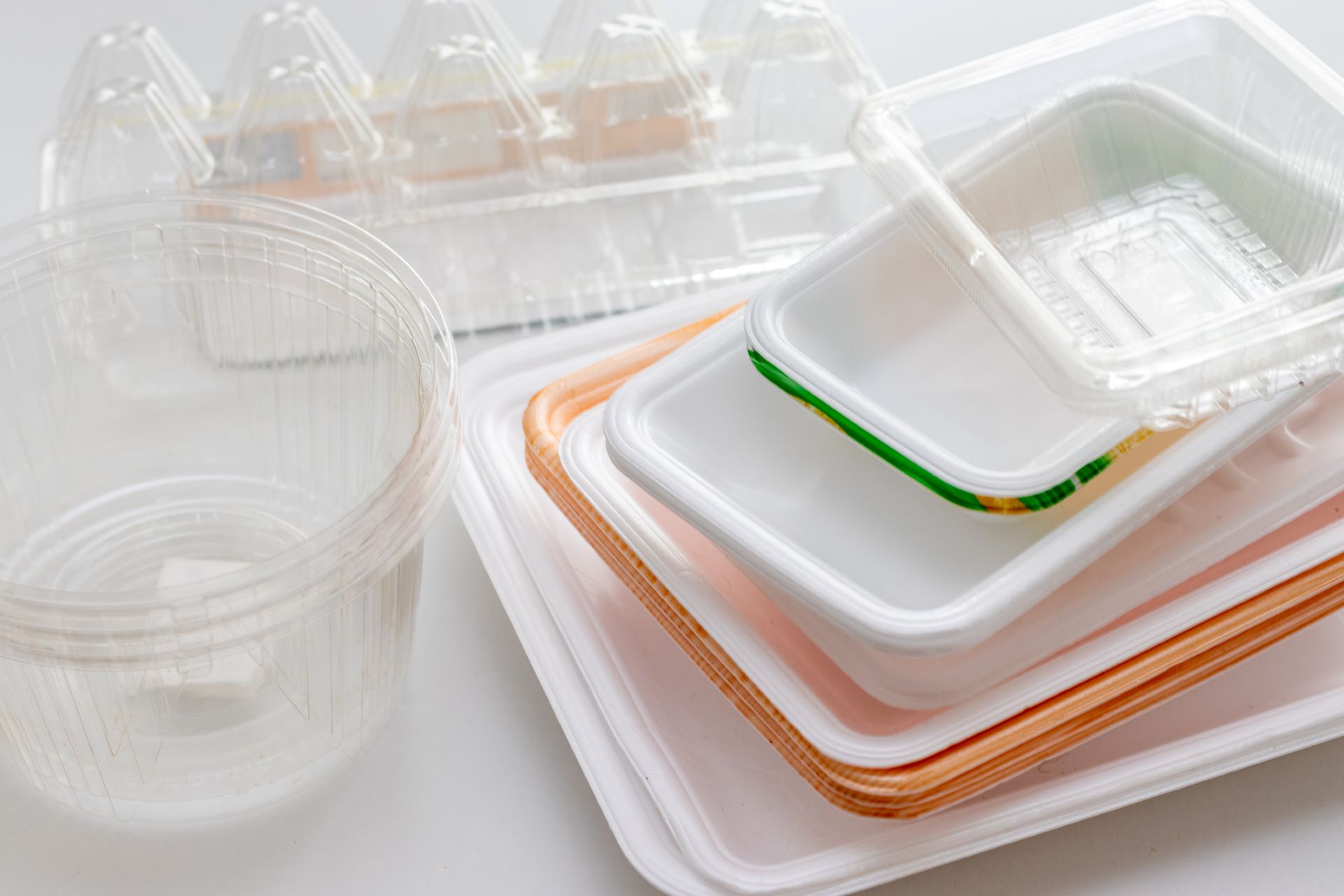
The report said 22 retailers (44%) reported progress phasing out PFAS in food packaging and textiles, bisphenols in receipt paper, or PVC in packaging, down from 34 (68%) in 2024. Ingredient disclosure remained limited: 21 companies (42%) did not ask suppliers about product chemical content, an improvement from 54% in 2024.
Toxic-Free Future cited state rules as a driver of change. Before Washington state’s ban on toxic bisphenols in receipts took effect in January 2026, several retailers had begun removing them from receipts nationwide. California passed a similar law in September 2026. Safer States national director Sarah Doll said retailer action and strong state policies can help deliver safer products, adding that families should receive the same protections wherever they shop.


Comments (0)
No comments yet. Be the first!