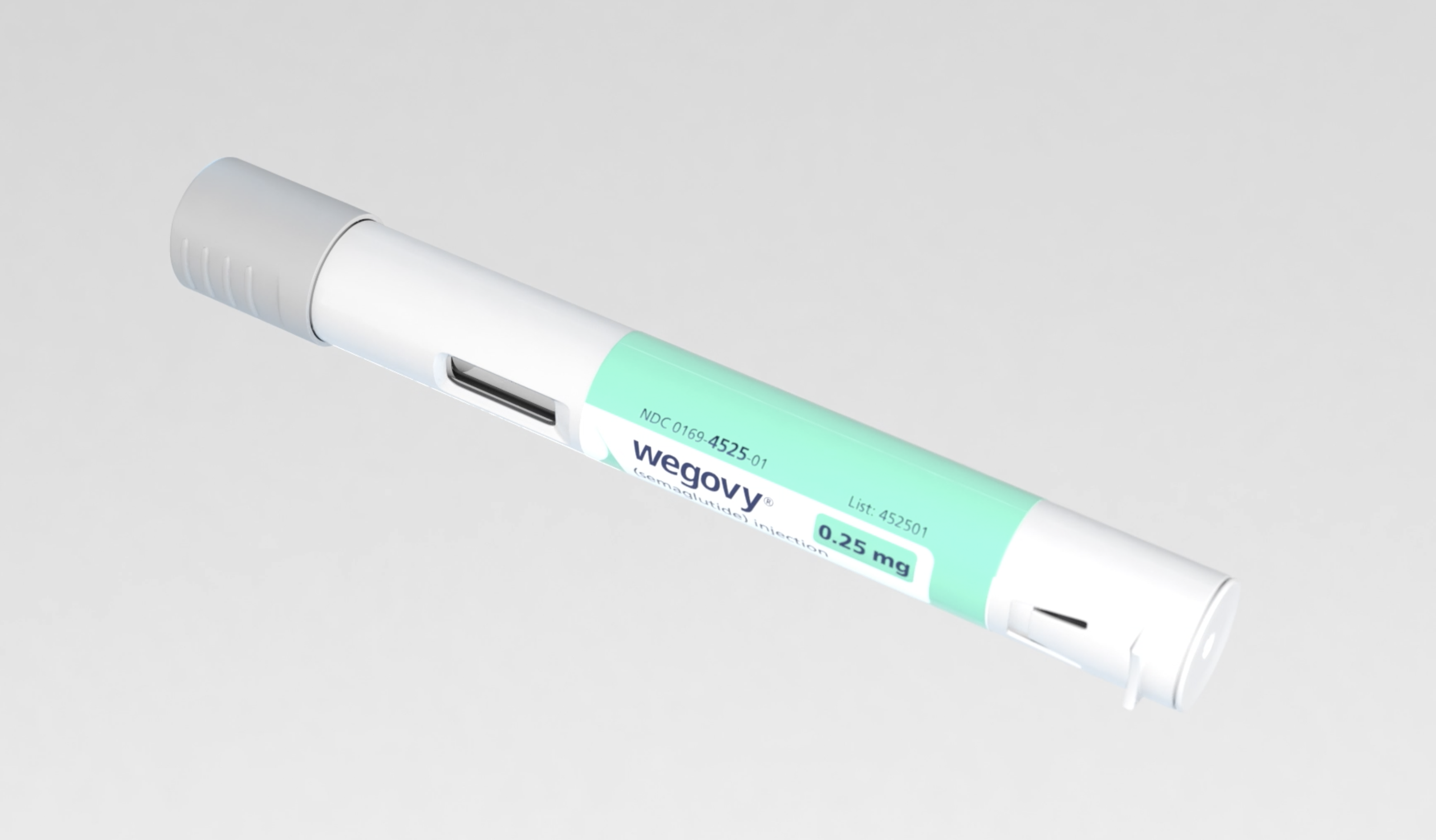
In the SIGNAL study, 26,213 adults with overweight or obesity who started semaglutide injections were followed for up to six months using de-identified data from the Ro telehealth platform. Their average score on a validated seven-item food-noise questionnaire fell by 0.42 points in the first month from a baseline of 2.72. The largest reductions occurred in the first three months; by month six, the adjusted mean decline was 0.72 points.
OCTANE examined 7,669 adults starting oral semaglutide. Among those with food-noise measurements, the average score declined about 25% over three months, from 2.8 to 2.1 (p<0.001). At the three-month mark, 86.4% of respondents reported at least one treatment improvement. Commonly reported changes included better-fitting clothing (67.5%), healthier eating (51.6%) and more physical activity (26.8%).
Both studies assessed food noise—defined as persistent, intrusive and unwanted thoughts about food—with the RAID-FN questionnaire. Novo Nordisk said the findings add to research into patient-reported experiences of obesity treatment. Louis J. Aronne of Weill Cornell Medicine, a co-author, said further research is needed to clarify the clinical relevance of food noise and its role in obesity care.
The studies were retrospective analyses of telehealth data and relied on self-reported responses. The researchers also cited possible selection bias, variable timing and completeness of routine-care data, and limits to how broadly the results may apply. Real-world studies can complement randomized trials, but cannot establish causation.
Novo Nordisk said semaglutide injection 2.4 mg and semaglutide tablets 25 mg carry a boxed warning about possible thyroid tumors, including cancer. The medicines should not be used by people with a personal or family history of medullary thyroid carcinoma or Multiple Endocrine Neoplasia syndrome type 2.



Comments (0)
No comments yet. Be the first!