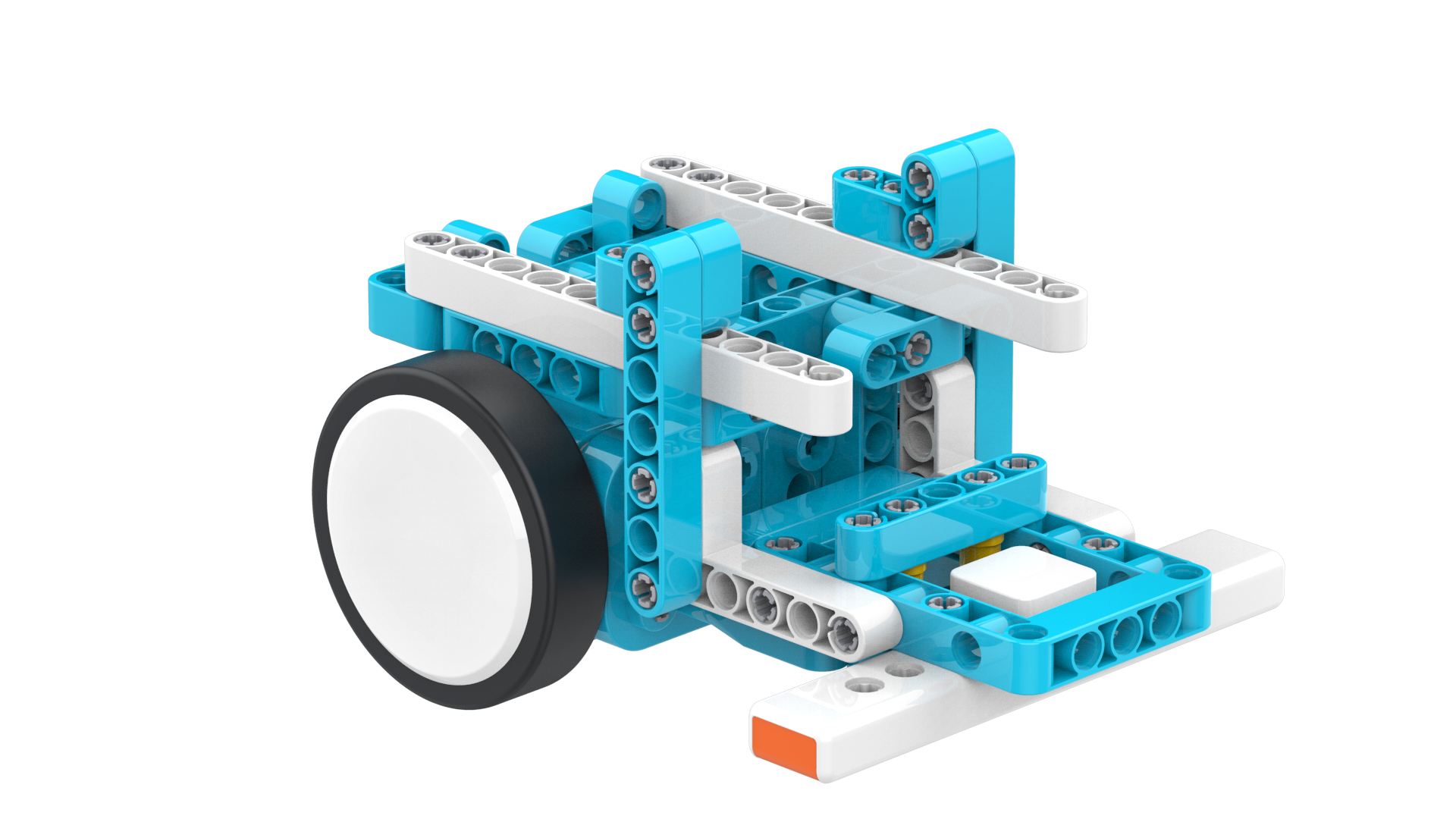
The EliteMind platform functions as a bridge between WhalesBot’s OceanLevel software and tangible robotics. Students train models within the digital environment—utilizing intent recognition, voice interaction, and visual processing—before testing those programs on physical units. This modular hardware enables learners to combine various sensors and actuators, simulating how AI operates in real-world systems rather than just abstract simulations.
WhalesBot CEO Xufeng Fei noted that modern education requires moving beyond screen-based learning to prepare students for practical applications. By connecting the W-Hong LLM to physical actuators, the company aims to facilitate a progression from basic AI literacy to complex robotics competitions. Since its founding in 2018, WhalesBot has expanded its reach to over 81 countries, aiming to standardize how youth engage with AI-driven hardware.

Comments (0)
No comments yet. Be the first!