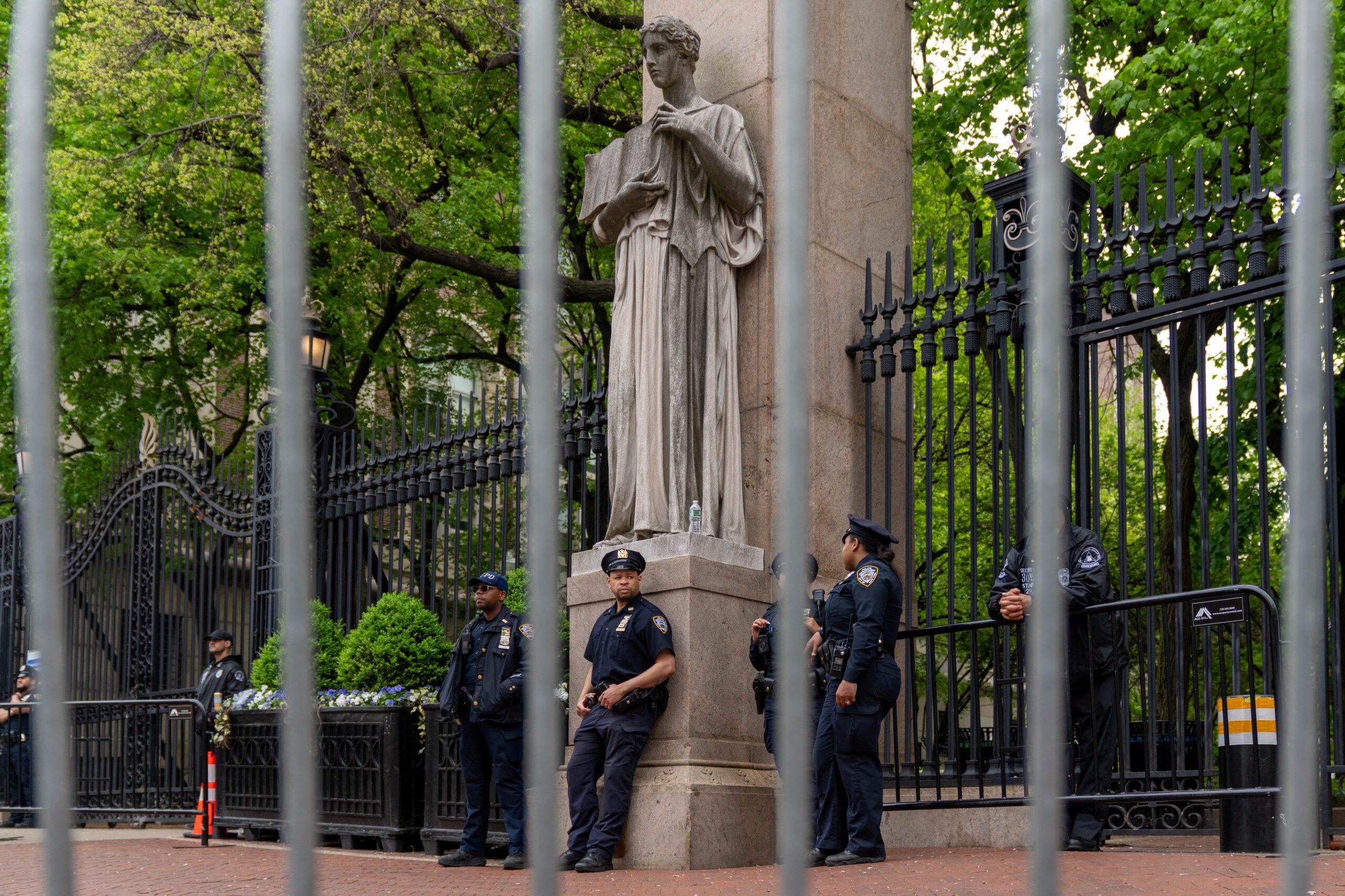
Officers shattered glass doors and used metal shields to force entry into the occupied building, which students had renamed "Hind’s Hall" in memory of a six-year-old killed in Gaza. Footage from the scene captured police zip-tying protesters' hands and removing them from the premises while some officers reportedly drew their weapons. Students alleged that police deployed tear gas during the operation, a claim that underscores the growing intensity of the standoff between university administration and student activists.
Escalation and Institutional Response
President Shafik, who is currently facing intense pressure to resign, requested that police maintain a presence on campus through May 17 to prevent the return of demonstrators. The crackdown has triggered widespread criticism, including from Rep. Jamaal Bowman, who condemned the militarization of the campus as an affront to democratic education. UN High Commissioner for Human Rights Volker Türk also weighed in, warning that law enforcement responses across various U.S. universities appear increasingly disproportionate. The events at Columbia mirror the 1968 anti-war protests, reigniting a national debate over the limits of campus activism. Protesters remain focused on their core demand: that Columbia divest its nearly $14 billion endowment from companies like Boeing, Lockheed Martin, and Caterpillar, which they argue are profiting from the conflict in Gaza.



Comments (0)
No comments yet. Be the first!