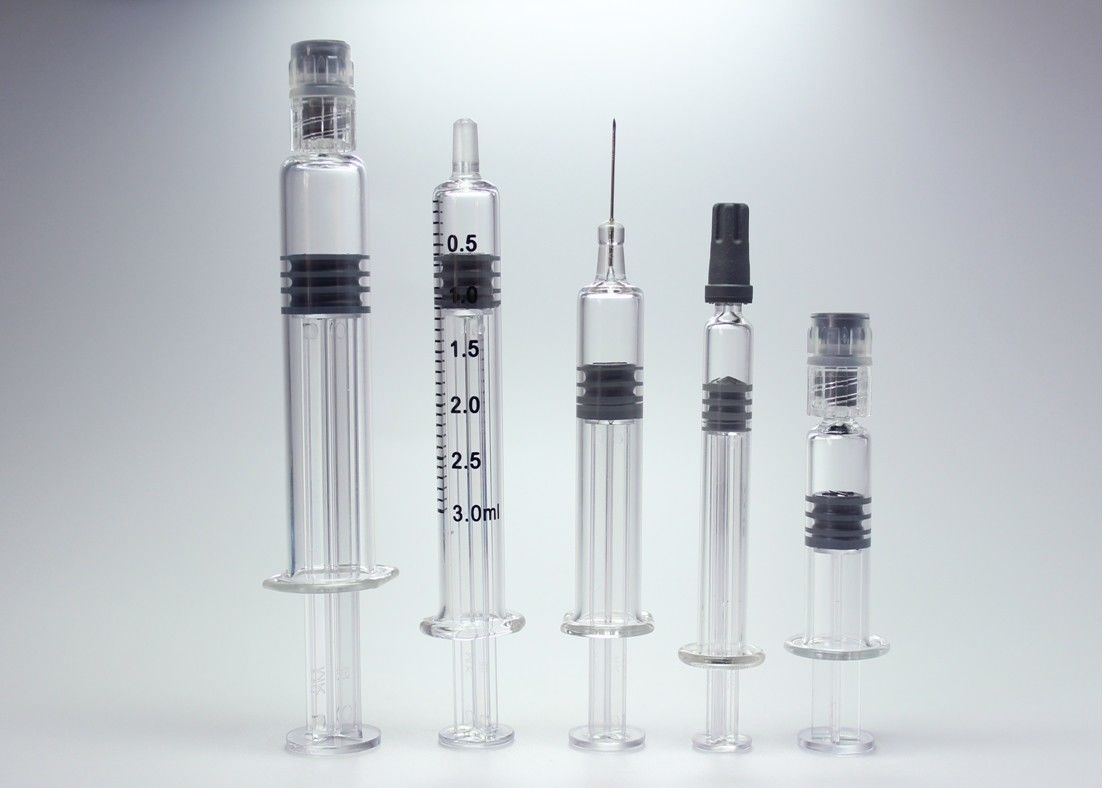
The research highlights that the chlorine dioxide cycle requires only three hours and 45 minutes to complete, including preconditioning and aeration. This duration is roughly one-tenth the time typically required for ethylene oxide sterilization. Beyond the speed advantage, the process ensures the integrity of prefilled syringes and drug formulations, as the gas does not ingress into the syringe contents during the procedure.
Traditional ethylene oxide methods often force sensitive products to remain outside of controlled cold-chain environments for extended periods due to necessary heated aeration cycles. Furthermore, ethylene oxide can leave harmful residuals that may compromise drug stability. The findings position chlorine dioxide as a viable alternative for manufacturers, particularly when handling combination products that cannot withstand the high temperatures or off-gassing requirements of standard sterilization modalities. Clordisys, the New Jersey-based firm behind the technology, has utilized this approach for over 25 years to meet strict sterilization standards for medical devices.


Comments (0)
No comments yet. Be the first!