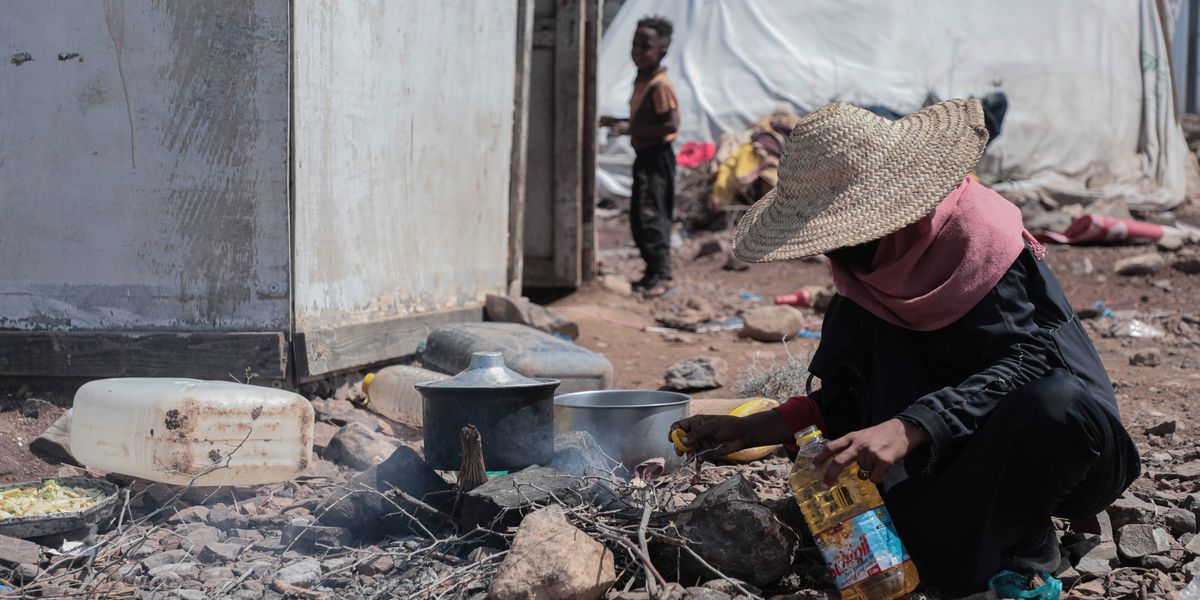
The International Organization for Migration reported that the surge in fighting, centered around Taiz province and the captured port of Mocha, has left aid agencies struggling to reach vulnerable populations. Nearly 56,000 residents have fled Taiz alone, while at least 2,000 have crossed the sea into Djibouti. According to IOM Director General Amy Pope, many families are now facing displacement for the second or third time, arriving at camps with nothing.
Since the collapse of the 2022 ceasefire, the escalation has claimed over 900 lives. The Houthis, emboldened by the broader regional standoff between Washington and Tehran, have intensified their maneuvers, including drone strikes on southern Saudi Arabia. While Saudi forces provide air support to the Yemeni government, President Donald Trump has reportedly declined requests for direct U.S. airstrikes against Houthi positions, even as the conflict threatens to widen further.
For those on the ground, the geopolitical maneuvering translates into a desperate fight for survival. Aman Murshed, a mother of five living in a refugee camp in the al-Maafer district, described fleeing at dawn as front-line combat reached her shelter. "The only priority was to carry the children and flee," she said, noting that her family had spent years hoping for a return home that is now more distant than ever.

Comments (0)
No comments yet. Be the first!