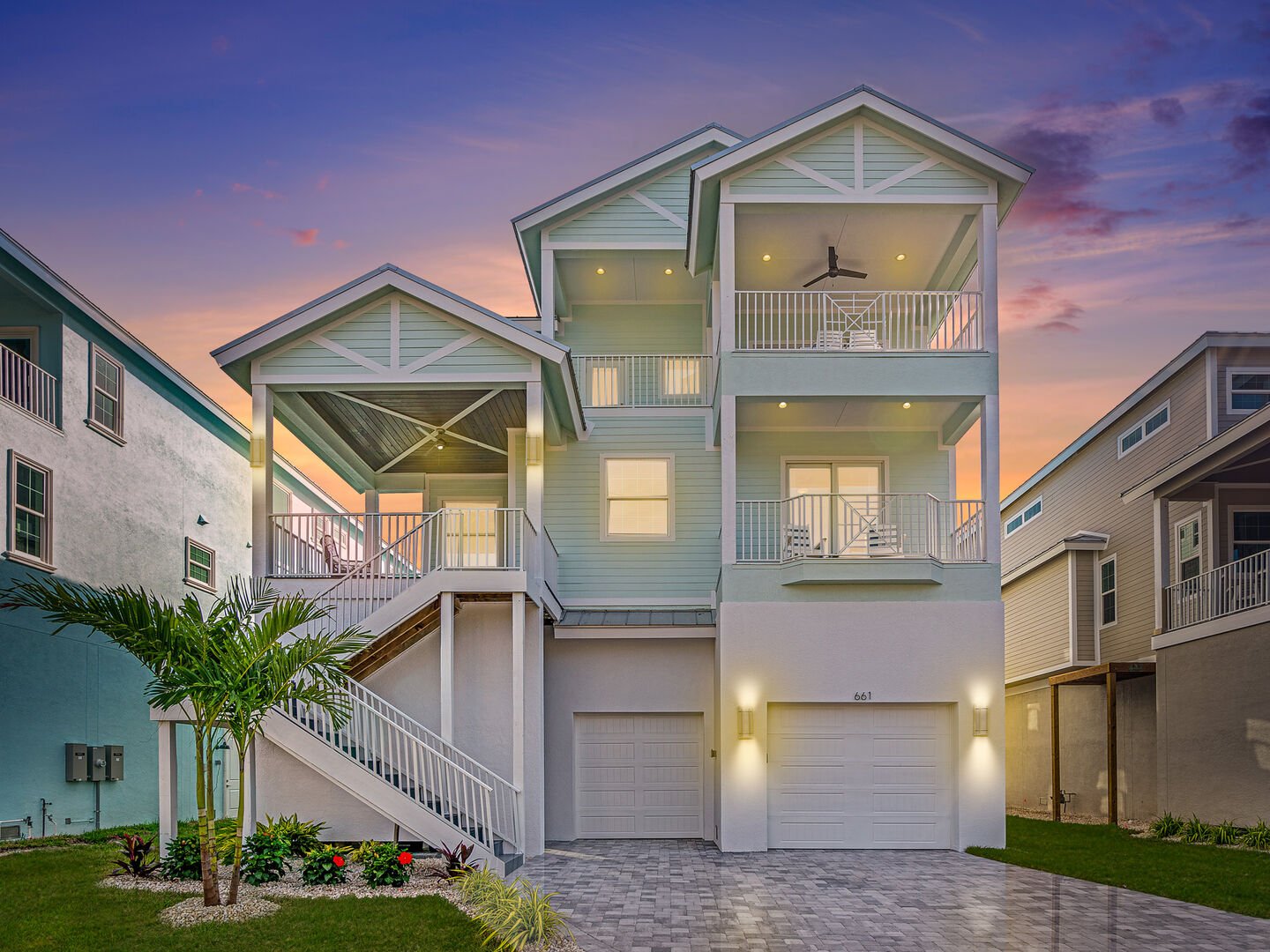
Owning property near the shore is frequently romanticized, yet the financial and operational reality demands rigorous planning. Insurance remains a primary hurdle; properties near the ocean require specialized flood and wind coverage, often with high deductibles that can fluctuate annually. For multifamily buildings, these costs scale quickly, necessitating significant financial buffers to protect cash flow across multiple units.
Regulatory landscapes in South Florida add further complexity. Prospective owners must navigate a web of municipal rental registrations, tax requirements, and property inspections. Beyond local laws, homeowners and condo associations often impose rigid lease minimums and parking restrictions. Failing to account for these rules can trigger costly fines and friction with local neighbors.
Maintenance requirements also intensify in a coastal environment. Constant exposure to salt air and humidity accelerates the corrosion of building materials and stresses mechanical systems. In multifamily settings, shared infrastructure like plumbing stacks or exterior stairways means a single failure can disrupt every tenant simultaneously. While professional property management can mitigate some burdens, owners must remain active in budgetary oversight and emergency responses, especially when weather events threaten the region. Balancing personal use of a property with income goals remains a final, delicate trade-off, as peak-season vacancies and seasonal turnover require a disciplined, year-round approach to operations.


Comments (0)
No comments yet. Be the first!