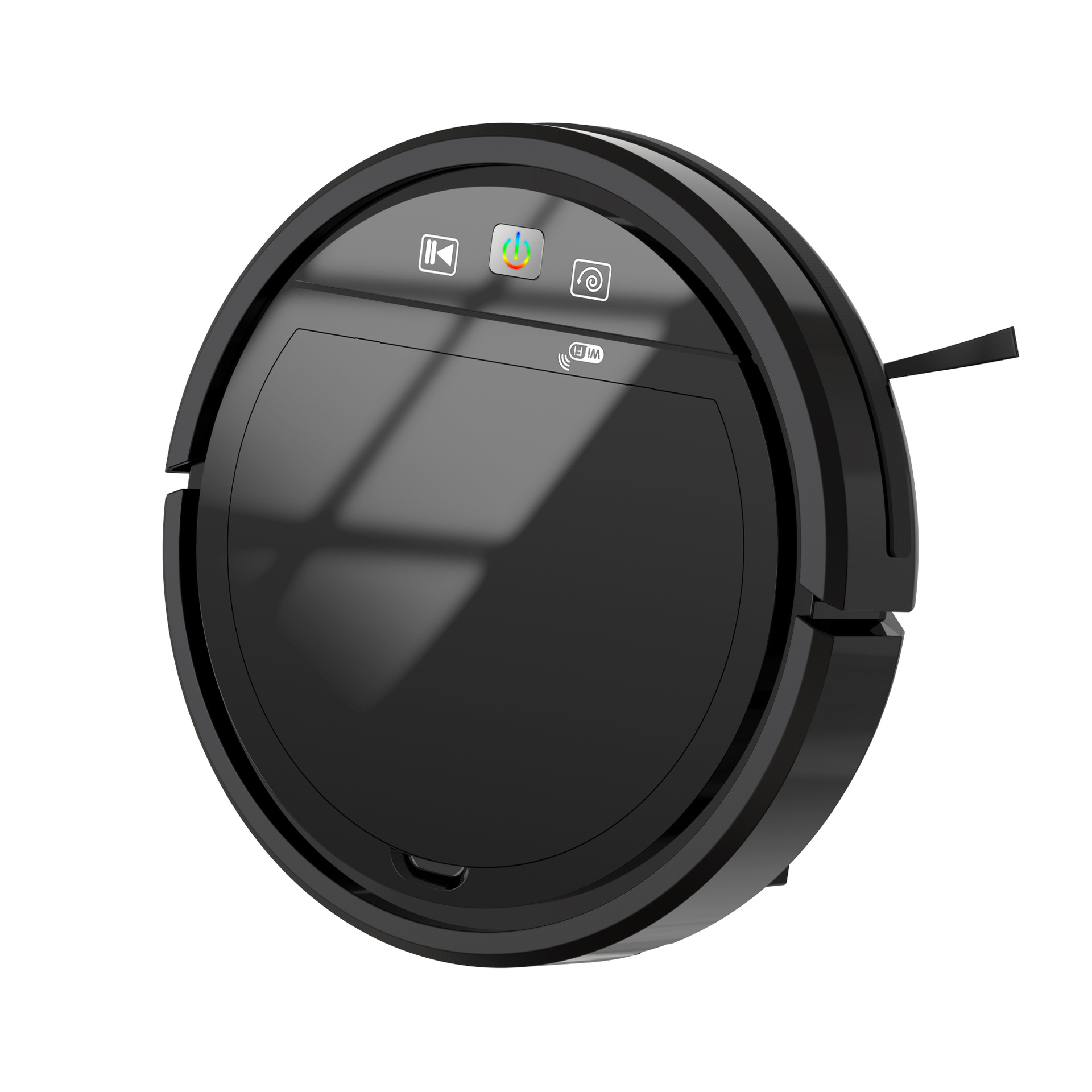
The device addresses the critical concern of response time during medical emergencies. Outfitted with LDS LiDAR and a four-microphone sound source localization system, Doova uses AI vision to detect falls or accidents. When a user calls for help, the robot navigates to their location to assess the situation. If the user remains unresponsive for 60 seconds, the system triggers an emergency workflow, establishing a two-way live video connection with family members to ensure rapid intervention.
Beyond safety, Doova functions as a conversational partner powered by a multimodal large language model. This allows for fluid interaction rather than the rigid, command-based responses typical of previous home automation tools. The robot assists with daily cognitive tasks, such as interpreting complex mail, identifying potential scams, and managing medication schedules. Its adaptive learning capabilities allow it to offer personalized suggestions for meals, gardening, or outfits, effectively evolving to meet the user's specific lifestyle needs.
Tuya has prioritized a non-intrusive aesthetic for the home environment, opting for soft, curved lines that avoid the clinical appearance of traditional security hardware. The unit features a 10.1-inch display and dynamic facial expressions to foster engagement. Operating on a node-oriented coverage strategy, Doova traverses rooms to perform 360-degree scans, providing remote safety reports to family members. As a centralized hub within the Tuya AIoT ecosystem, it also simplifies the control of connected appliances, such as lighting and curtains, via voice commands, lowering the technical barriers for older users to maintain an autonomous, connected household.


:max_bytes(150000):strip_icc():focal(749x0:751x2)/Aspyn-Ovard-091924-1-13c4d818e49b428386755d7c33952dee.jpg)
Comments (0)
No comments yet. Be the first!