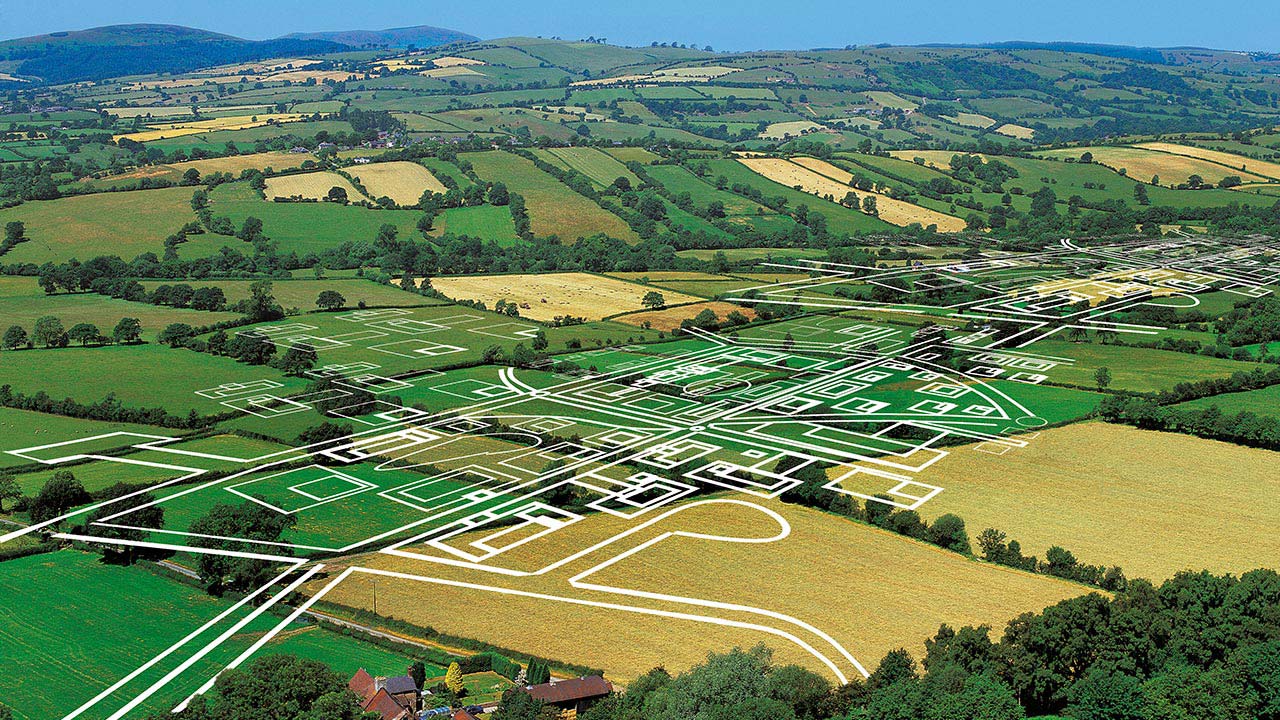
Grading and site prep represent the first major hurdle after closing. Topography and soil composition dictate the scope of earthwork, with heavily wooded or steep parcels demanding significant investment. Beyond clearing, utility access remains a persistent financial pitfall. When public water and sewer lines are absent, private solutions—such as drilled wells and septic systems—become necessary, with costs heavily dependent on local geology and health department mandates.
Electricity often presents similar challenges. Extending power lines from the nearest utility pole frequently incurs trenching costs, transformer upgrades, and service fees. Even seemingly straightforward tasks like driveway construction can escalate if the terrain requires culverts or complex drainage solutions to manage runoff. Furthermore, foundational requirements like soil percolation tests and environmental assessments add layers of engineering and permitting fees that many new owners fail to budget for initially. Garvey emphasizes that comprehensive research into these infrastructure needs is essential to ensure a project remains financially viable from the start.



Comments (0)
No comments yet. Be the first!