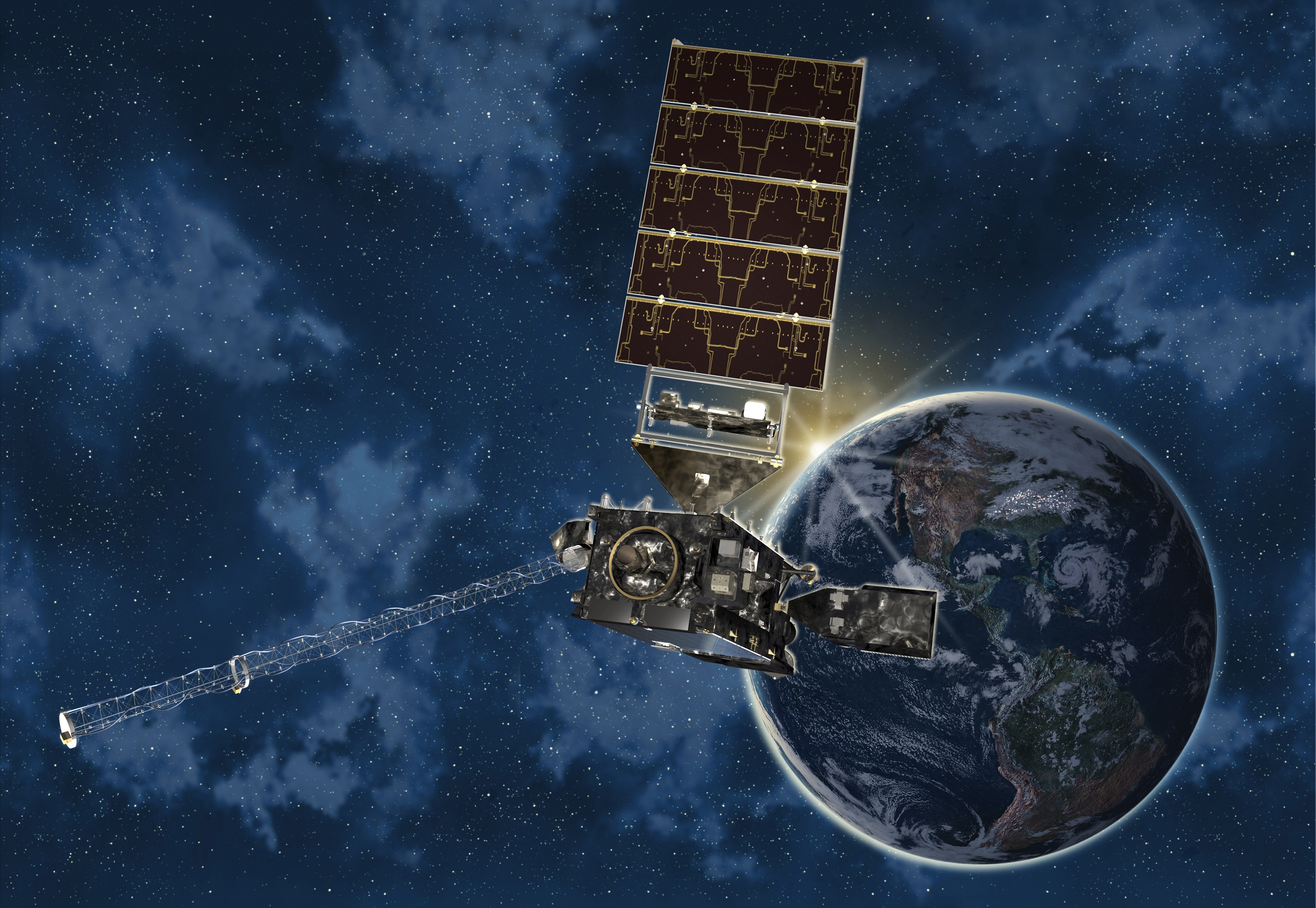
The interference originated from a narrow 1.5 kHz channel, a signal so faint and intermittent that it remained undetected by traditional monitoring for years. This unauthorized transmission occupied a vital uplink slot, preventing NOAA from reassigning the space to authorized users. Because the physical source was unknown, the operator could not address the equipment or bring the slot back into regulatory compliance.
Following the successful intervention, the operator utilized the data to identify a second rogue transmitter nearby. This secondary discovery led to the recovery of multiple non-functioning devices that had been lost to the network. These units are now being refurbished for future use, demonstrating how targeted signal intelligence can optimize broader sensor networks. Todd Probert, Chief Operating Officer at HawkEye 360, noted that the mission highlights the role of orbital signals intelligence in maintaining the continuity of essential civil systems.
This operation marks another milestone in the company’s ongoing partnership with NOAA. Previous efforts include resolving a persistent UHF interferer that impacted data delivery in over 50 countries and locating an outdated device perched on the slopes of the Guagua Pichincha volcano in Ecuador. These successes underscore the reliance of global hazard monitoring—including tsunami alerts and flood forecasting—on the clean operation of the GOES Weather System.



Comments (0)
No comments yet. Be the first!