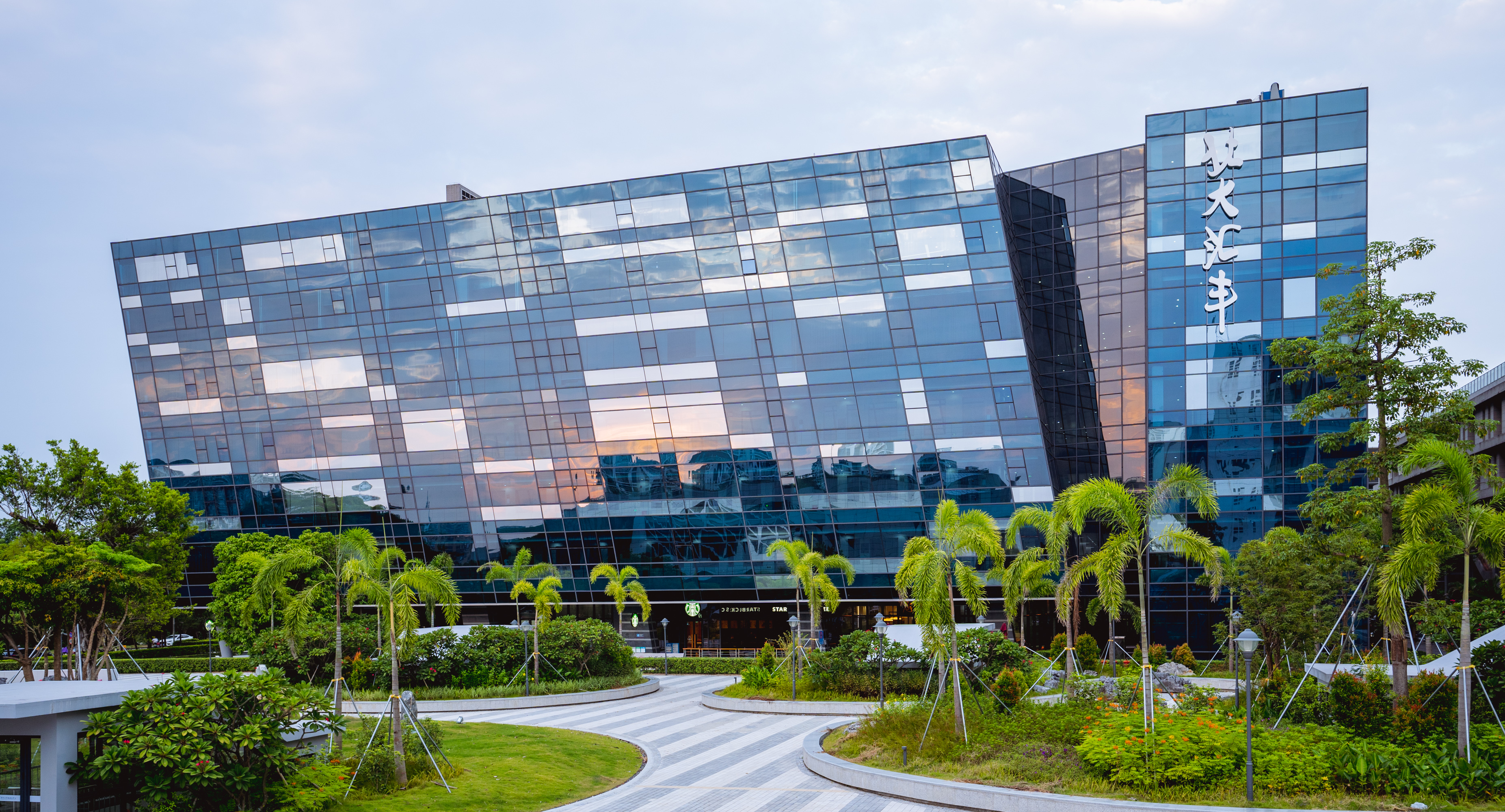
The event, themed "Breaking through Green Barriers," convened experts to debate the integration of AI in carbon governance and the volatility of global carbon markets. Piao Shilong and Hai Wen opened the sessions by emphasizing the necessity of an inclusive governance framework, while Wang Pengfei advocated for more robust, market-based carbon pricing tools to anchor the transition.
Nobel laureate Thomas J. Sargent provided the keynote, arguing that economic uncertainty should serve as a catalyst for immediate investment in green research and forest conservation. Jiang Kejun of HKUST (Guangzhou) marked 2030–2035 as the decisive period for China’s energy shift, citing the rapid expansion of electric vehicles and renewables as primary drivers. Meanwhile, Wu Dengsheng highlighted China's rising academic influence, noting the nation now ranks second globally in carbon economics research volume.
Roundtable discussions pivoted toward the equity of trade rules, specifically addressing how unilateral climate measures impact the Global South. By bridging academic research with policy strategy, the salon underscored the shift toward a governance model defined by technology and international coordination rather than isolated national mandates. Zhang Haibin concluded the event by calling for sustained interdisciplinary dialogue to support China’s "dual carbon" objectives as APEC economies prepare for further climate cooperation.

Comments (0)
No comments yet. Be the first!