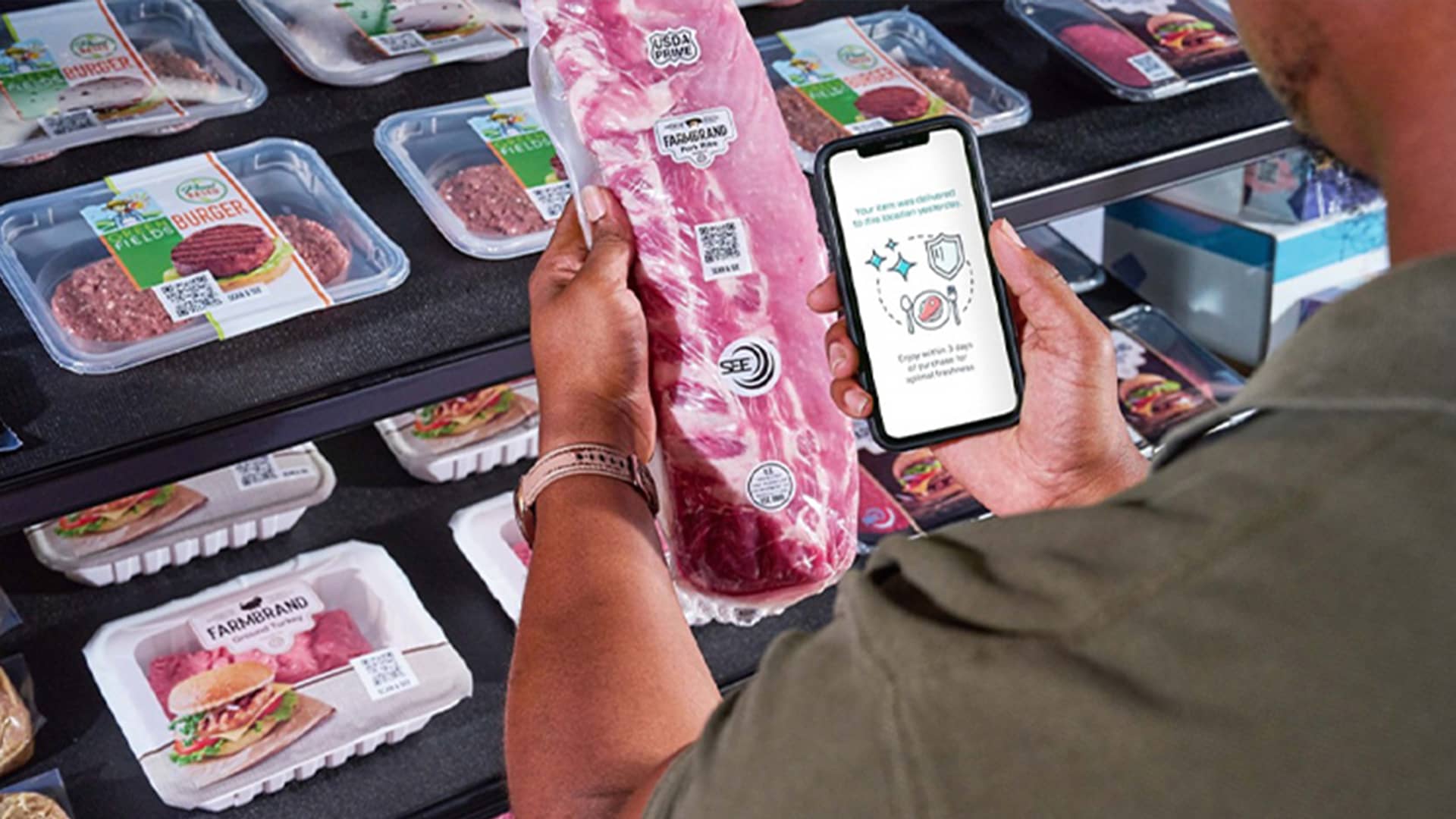
While retailers have long relied on legacy processes to track inventory, the complexity of fresh food management demands higher precision. RFID tags offer a solution by providing each product with a unique digital identity. This visibility allows stores to transition from estimated stock levels to real-time data, a shift necessary to meet global sustainability targets for food waste reduction by 2030.
Implementation remains uneven across the market. M&S has successfully utilized the technology to achieve 15,000 scans per hour in its clothing and homeware divisions, while Walmart is currently testing RFID labels on fresh food items. Technical hurdles persist—specifically regarding metal packaging and high water content in meat products—but the industry is betting on an ecosystem where RFID integrates with AI-powered forecasting. By moving away from manual tracking, retailers hope to automate replenishment and finally gain control over their most expensive, perishable inventories.



Comments (0)
No comments yet. Be the first!