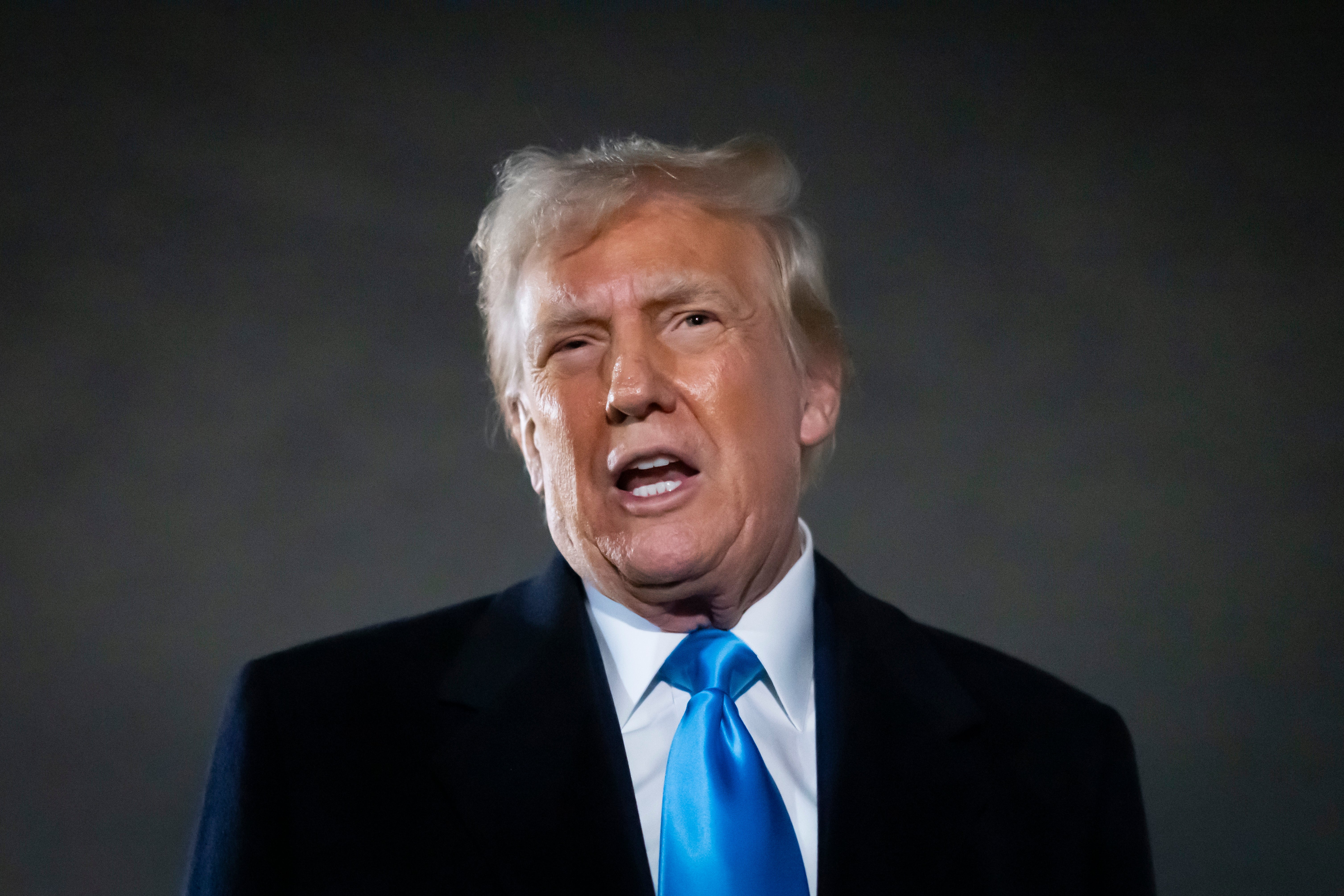
The ruling in Trump v. Internal Revenue Service exposes a legal maneuver wherein the Department of Justice, led by Acting Attorney General Todd Blanche and Associate Attorney General Stanley Woodward, Jr., failed to defend the government against claims brought by the President. Instead of raising standard statute-of-limitations defenses, the DOJ leadership signed a settlement agreement that included a massive payout from the Treasury’s Judgment Fund and attempted to grant the Trump family immunity from future IRS audits. Judge Williams found the parties were never truly adverse, noting the government’s conduct was an abdication of duty.
Accountability for Legal Counsel
The court’s sanctions target four key individuals: Acting Attorney General Todd Blanche, Associate Attorney General Stanley Woodward, Jr., and attorneys Daniel Epstein and Alejandro Brito. Judge Williams has referred Blanche and Brito to their respective state bar associations for disciplinary review. Epstein, who acted as counsel for the plaintiffs without filing the necessary paperwork, faces a one-year ban on pro hac vice admissions in the Southern District of Florida. The court further voided the settlement agreement entirely, prohibiting any party from citing it in future legal proceedings. The Government Lawyers Oversight Watchdog (GLOW) has announced it will document the conduct of these attorneys in its public database, citing the case as a critical example of the need for oversight within the executive branch.


Comments (0)
No comments yet. Be the first!