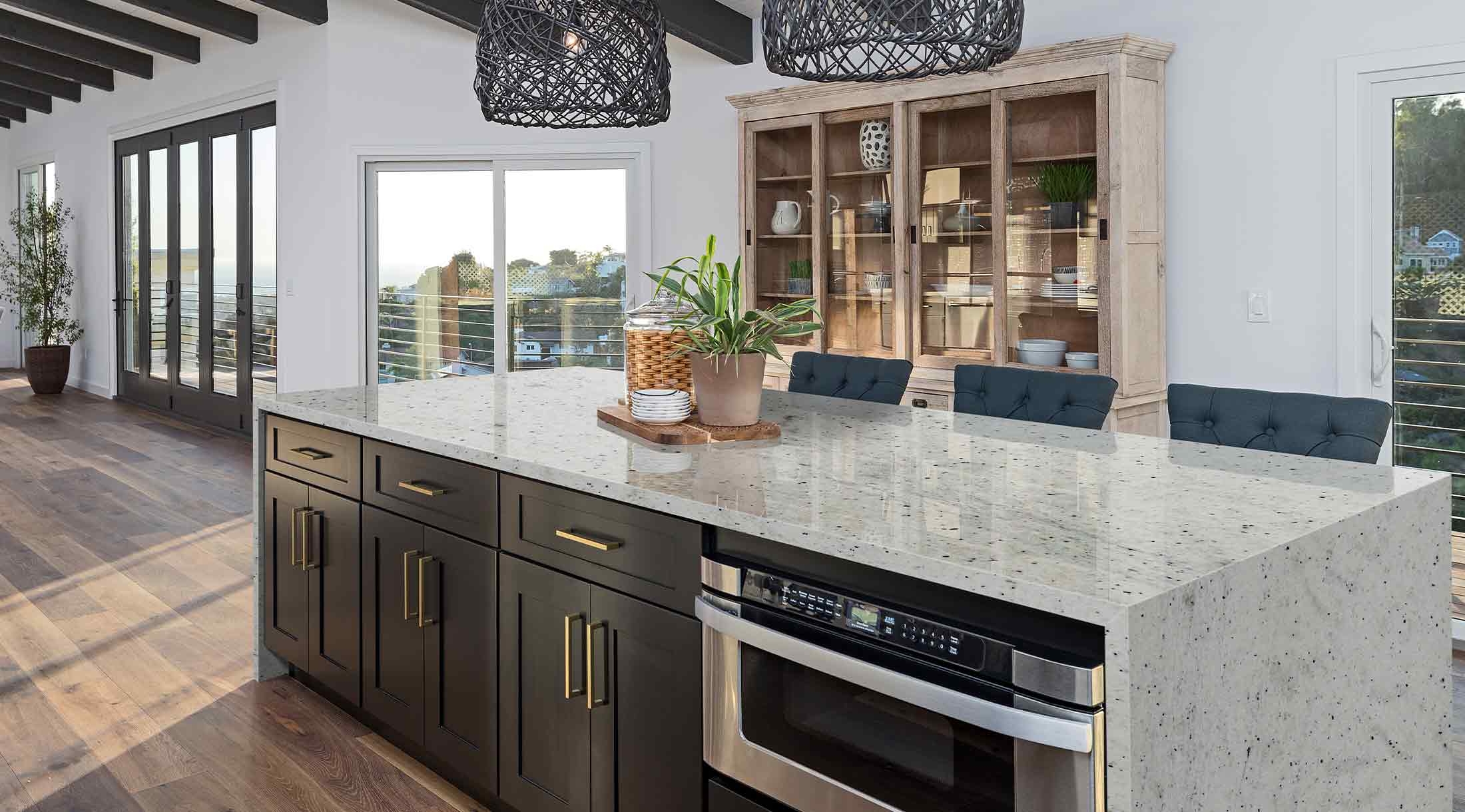
Gregg Sadwick, a solid surfaces expert based in Rochester, New York, emphasizes that successful implementation hinges on early communication between stakeholders and fabricators. Whether selecting solid surface for its hygienic properties, quartz for high-traffic consistency, or natural stone for visual impact, the choice of material dictates the project's maintenance lifecycle. Precise architectural review—including field measurements and documentation of site adjustments—serves as the primary defense against installation errors that disrupt project schedules.
Operational capacity remains a critical differentiator in large-scale installations. Reliable production lines are necessary to manage repeated layouts and high unit counts without sacrificing quality. Beyond production, strict adherence to the Americans with Disabilities Act regarding heights and accessibility clearances is non-negotiable. Proactive verification of these standards prevents costly post-installation corrections. Finally, businesses must evaluate the scope of limited warranties against expected wear and tear, as long-term value is ultimately secured through informed maintenance and careful final assembly of seams and finishes.


Comments (0)
No comments yet. Be the first!