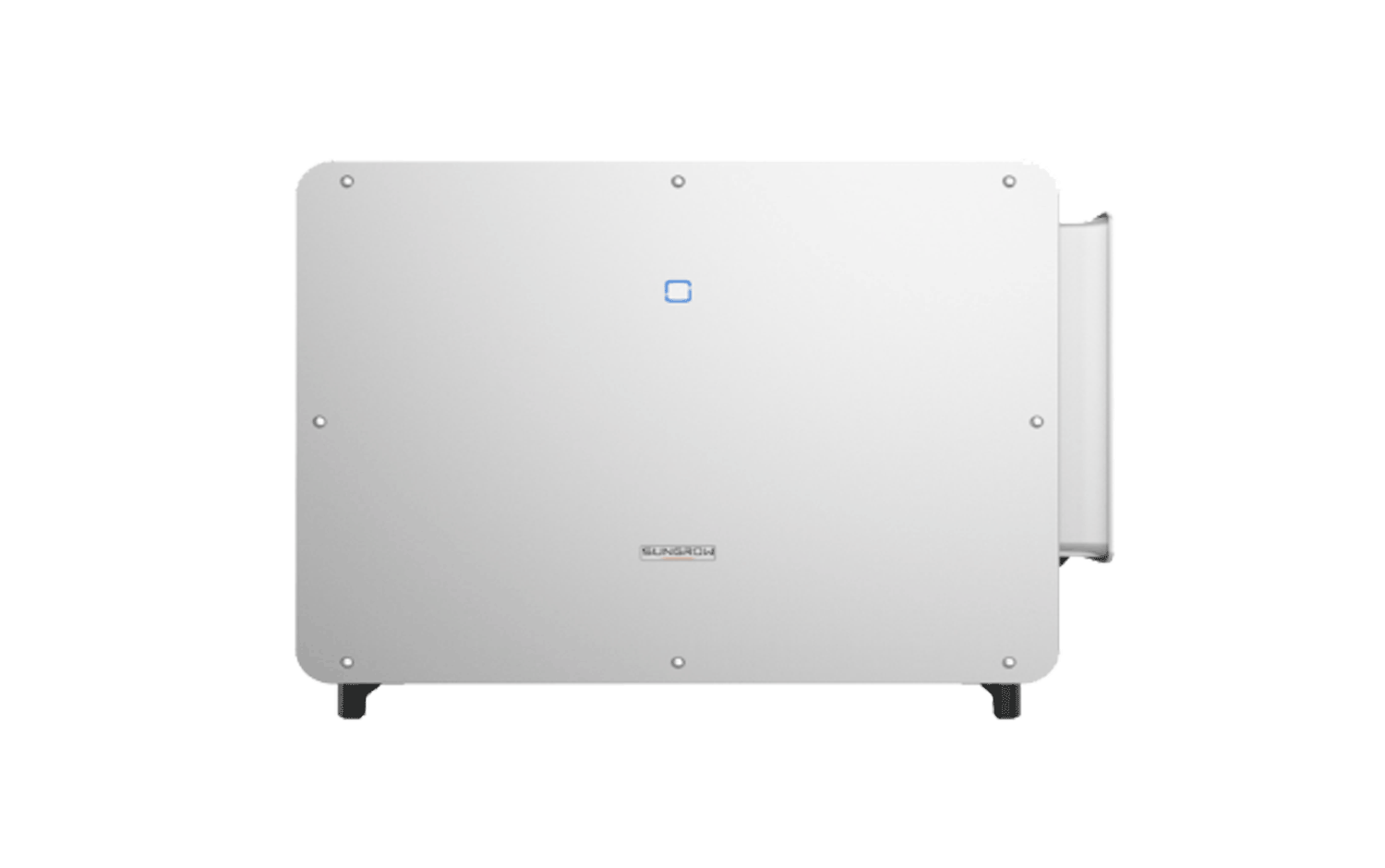
The newly introduced standards—2 PfG 3325 and 2 PfG 3328 Part 2—create a unified validation chain from individual components to complete systems. While 2 PfG 3325 focuses on the failure mechanisms of IGBT modules under thermal and power cycling, 2 PfG 3328 Part 2 evaluates the environmental adaptability of the entire inverter unit. This approach addresses the shortcomings of traditional methodologies, which often failed to account for the rigors of desert, offshore, or high-altitude installations.
To ensure long-term stability, the new protocols incorporate testing rigor inspired by automotive industry benchmarks like VW 80000. System-level assessments now include 4,000-hour accelerated aging tests, while component-level checks for IGBT modules extend high-temperature gate bias testing to 168 hours. Sungrow’s SG510HX string inverter has already secured certification under these standards, marking the first practical application of the framework. According to Thomas Haupt, Vice President of Solar & Commercial Products at TÜV Rheinland, this move shifts the industry from subjective empirical deductions toward a scientifically traceable model for manufacturers, investors, and insurers.

Comments (0)
No comments yet. Be the first!