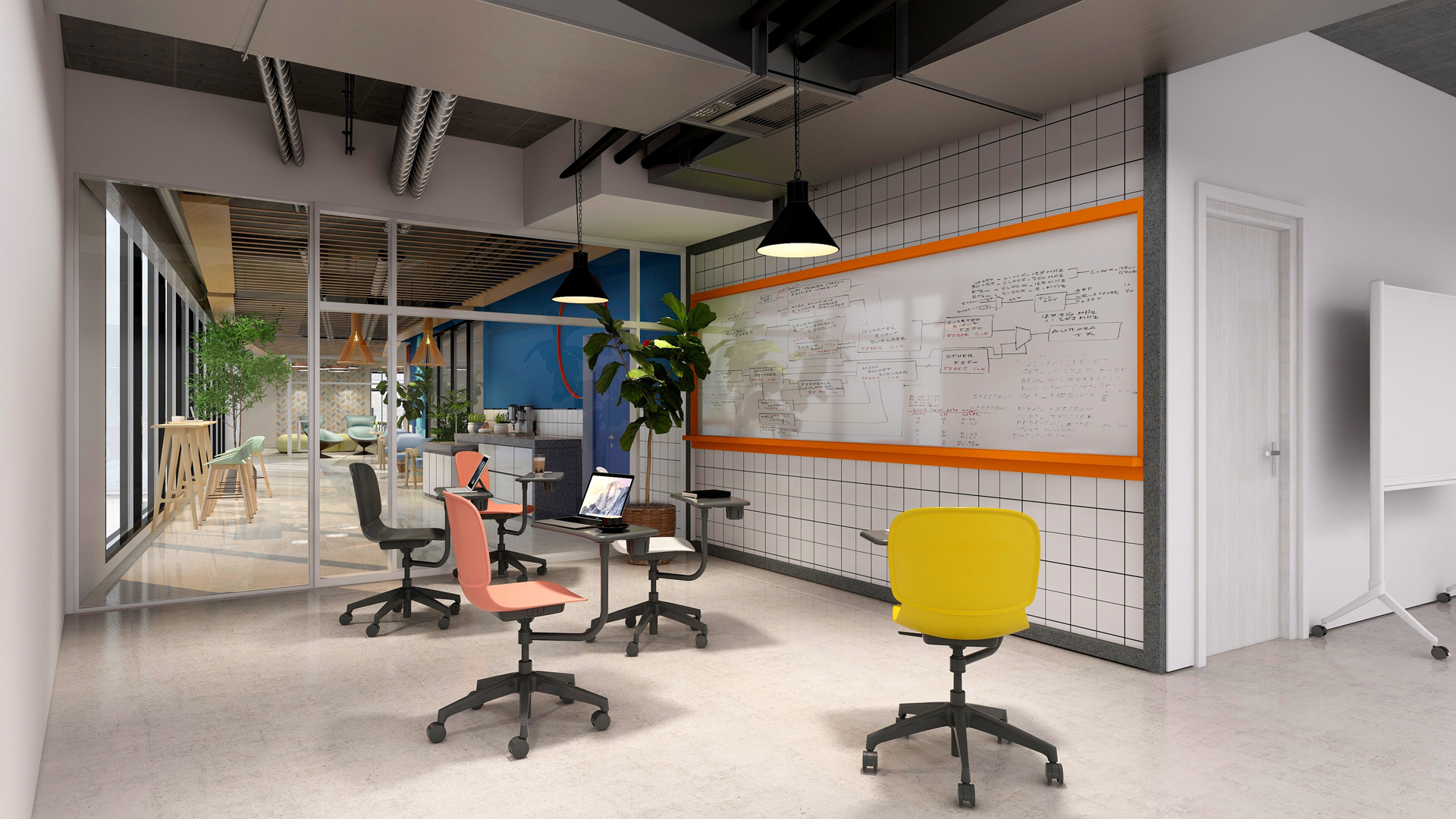
For years, the retail industry has treated workplace design as a secondary operational expense, focusing instead on mobile point-of-sale systems and predictive analytics. However, the complexity of modern omnichannel commerce—where a single purchase links mobile apps, distribution centers, and third-party logistics—demands a level of cross-functional agility that rigid, siloed office layouts cannot support. Innovation is rarely the result of a single brilliant algorithm; it emerges from the fluid exchange of ideas between merchandising, IT, and marketing teams.
Architects of the New Retail
Forward-thinking companies are now treating their physical spaces as critical infrastructure, integrating flexible collaboration zones and hybrid-ready meeting rooms to mirror the speed of their digital platforms. By aligning workplace strategy with technology deployment, retailers can avoid costly retrofits and foster a culture of rapid decision-making. Recent findings from the Microsoft Work Trend Index highlight that today’s top talent prioritizes environments that support genuine collaboration and wellbeing over traditional desk-bound roles. Ultimately, the next generation of retail winners will not just be those with the smartest stores, but those with the most adaptable organizations. By viewing the office as a strategic asset rather than a cost center, retailers can better attract the data analysts and digital experts necessary to navigate an increasingly interconnected market.



Comments (0)
No comments yet. Be the first!