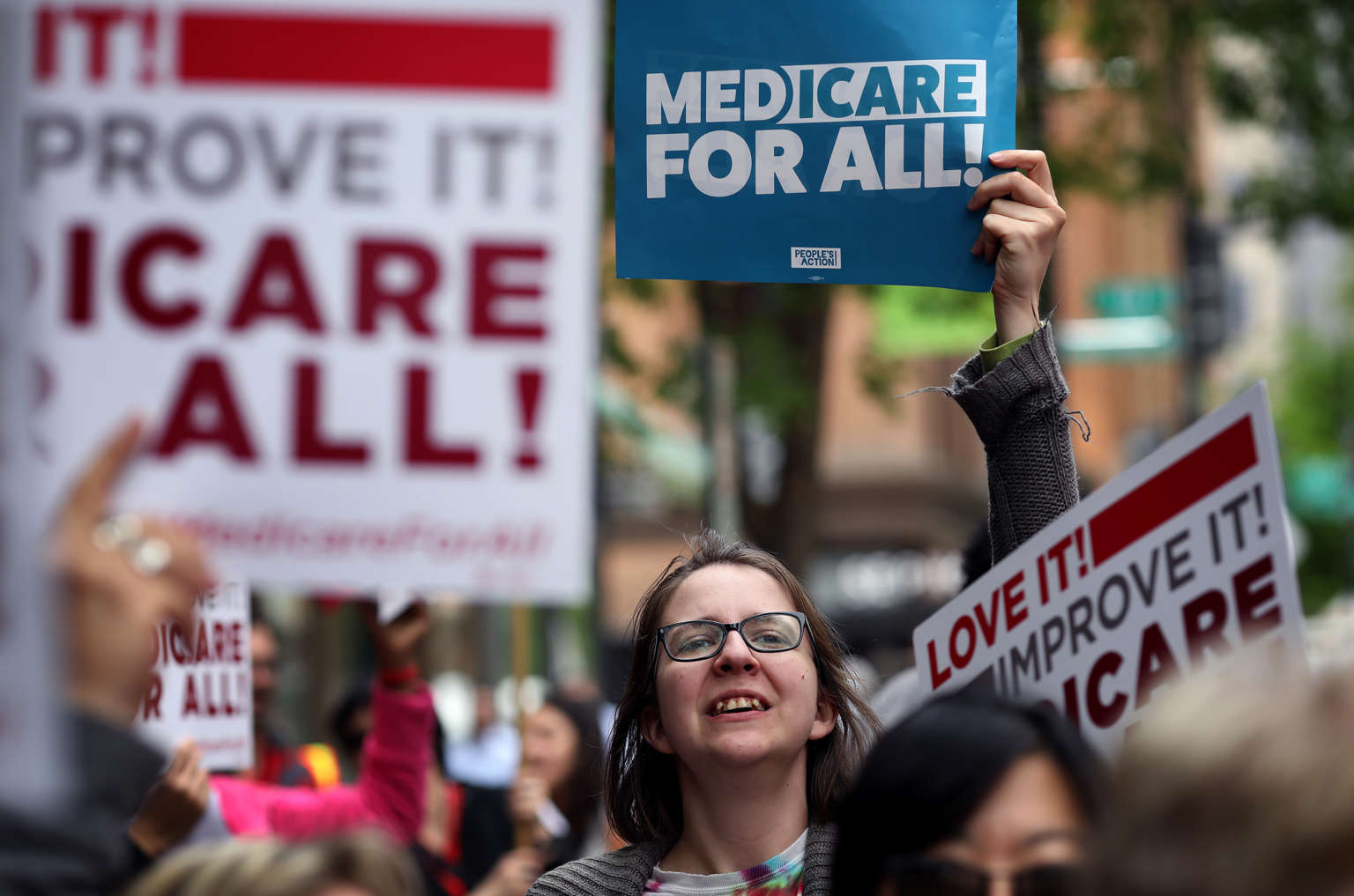
Recent polling from the Pan Atlantic 67th Omnibus survey indicates that 63% of Mainers support transitioning to a universal healthcare system. This data aligns with broader trends: a recent Pew Research study found that 66% of Americans believe the government should guarantee health coverage. Platner, a veteran and oyster farmer, has capitalized on this sentiment, framing the proposal as a necessary response to rising costs and the loss of primary care providers. In contrast, Mills has spoken vaguely about the need for a universal system without explicitly endorsing the Medicare for All framework.
The urgency for reform is mounting as Maine faces a potential healthcare crisis. Advocacy group Maine AllCare warns that the refusal of federal lawmakers to extend Affordable Care Act subsidies, coupled with impending changes to Medicaid, threatens to destabilize state hospitals. Projections suggest these shifts could trigger a $450 million decline in statewide economic output and the loss of over 4,000 jobs. David Jolly, a board member at Maine AllCare, argues that leaders must choose between allowing the current system to collapse or championing a sustainable, universal alternative.
Despite the clear public mandate, the proposal remains a point of contention among establishment politicians. Supporters in Congress, including Representative Ro Khanna and Senator Jeff Merkley, continue to face pushback regarding the feasibility of the policy. Khanna recently argued that private insurance companies, with their high administrative costs and profit margins, are the primary obstacle to a functional system. As the primary approaches, the debate highlights a growing disconnect between the policy priorities of the Democratic establishment and the demands of voters seeking a fundamental overhaul of the nation's healthcare infrastructure.



Comments (0)
No comments yet. Be the first!