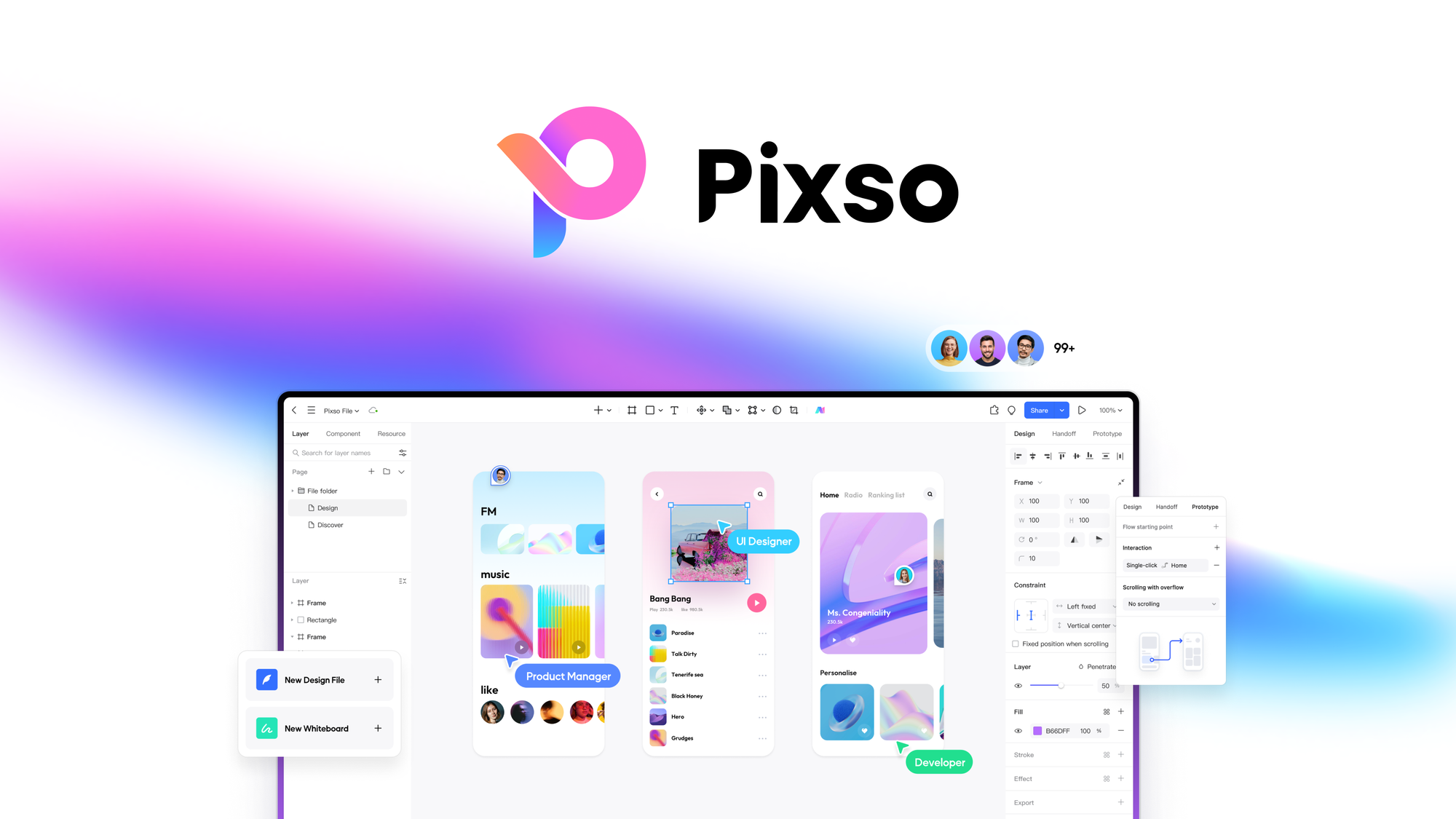
The platform functions as a context-aware extension of the design environment rather than a standalone plugin. By constraining AI generation to a team’s specific component libraries and design tokens, Pixso ensures that output remains brand-consistent and immediately deployable. This approach sidesteps the common issue of unconstrained models producing unpredictable assets that require extensive manual cleanup.
Pixso has organized nine distinct capabilities into three primary pillars. Users can utilize AI Smart Edit and text-to-image tools for initial creation, while AI Smart Layout and automated renaming features handle iterative adjustments. For the final stages, the platform automates handoff documentation and compliance checks, streamlining the transition to engineering. Co-founder Edwin Wang stated that the system is designed to provide usable output from the start, rather than a loose concept requiring hours of revision.
To address enterprise security concerns, Pixso supports private deployment, ensuring that internal design assets and proprietary prompts remain within the organization’s firewall. The platform also includes migration support for teams transitioning from Figma, and is currently available to users within the Pixso editor.



Comments (0)
No comments yet. Be the first!