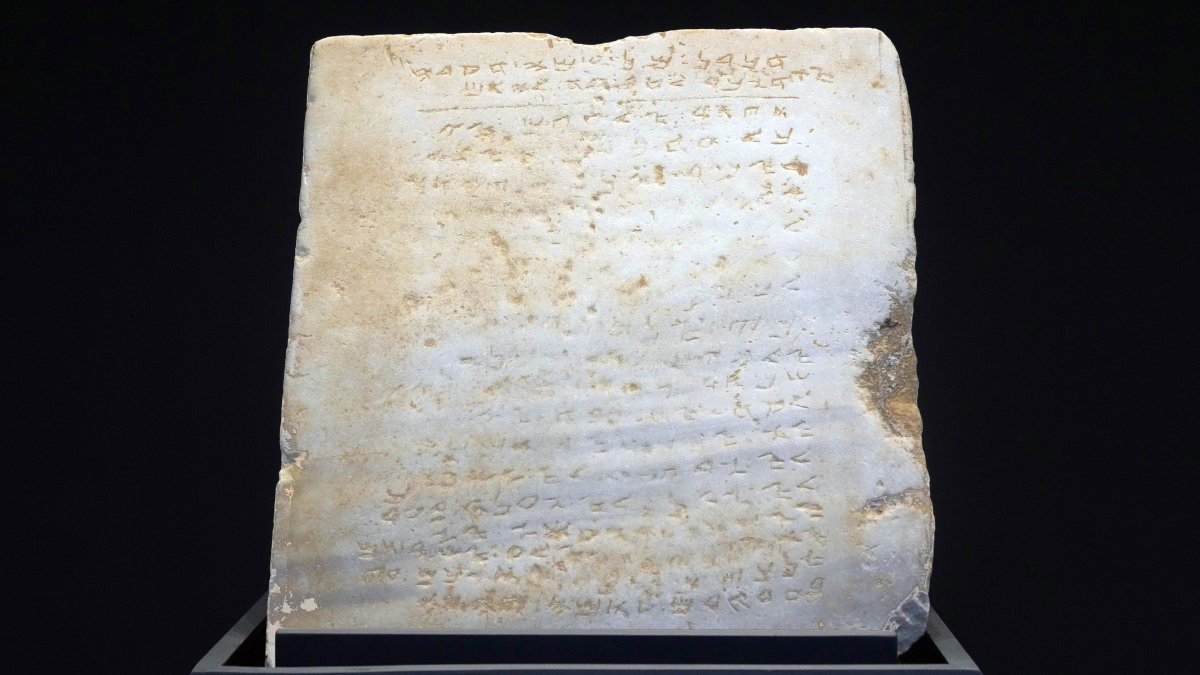
Judge Biery emphasized that the state’s mandated version of the commandments does not align with the traditions of many Protestant, Catholic, or Jewish denominations. He cautioned that such displays risk pressuring students into religious observance or the suppression of their own beliefs. To illustrate the constitutional boundary, Biery pointed to the hypothetical scenario of a Muslim-majority city mandating Quranic passages in schools, arguing that the Bill of Rights exists specifically to protect minorities from majority-imposed religious mandates.
Legal advocacy groups celebrated the decision, which halted the law before its scheduled September 1 implementation. Tommy Buser-Clancy of the ACLU of Texas stated the ruling underscores that public schools are for educating, not evangelizing. Rabbi Mara Nathan, a plaintiff in the case, echoed this sentiment, asserting that religious instruction belongs within families and faith communities rather than at the hands of politicians. The ruling serves as a broader reminder that state authorities lack the mandate to dictate the religious adherence or spiritual practices of the student body.



Comments (0)
No comments yet. Be the first!