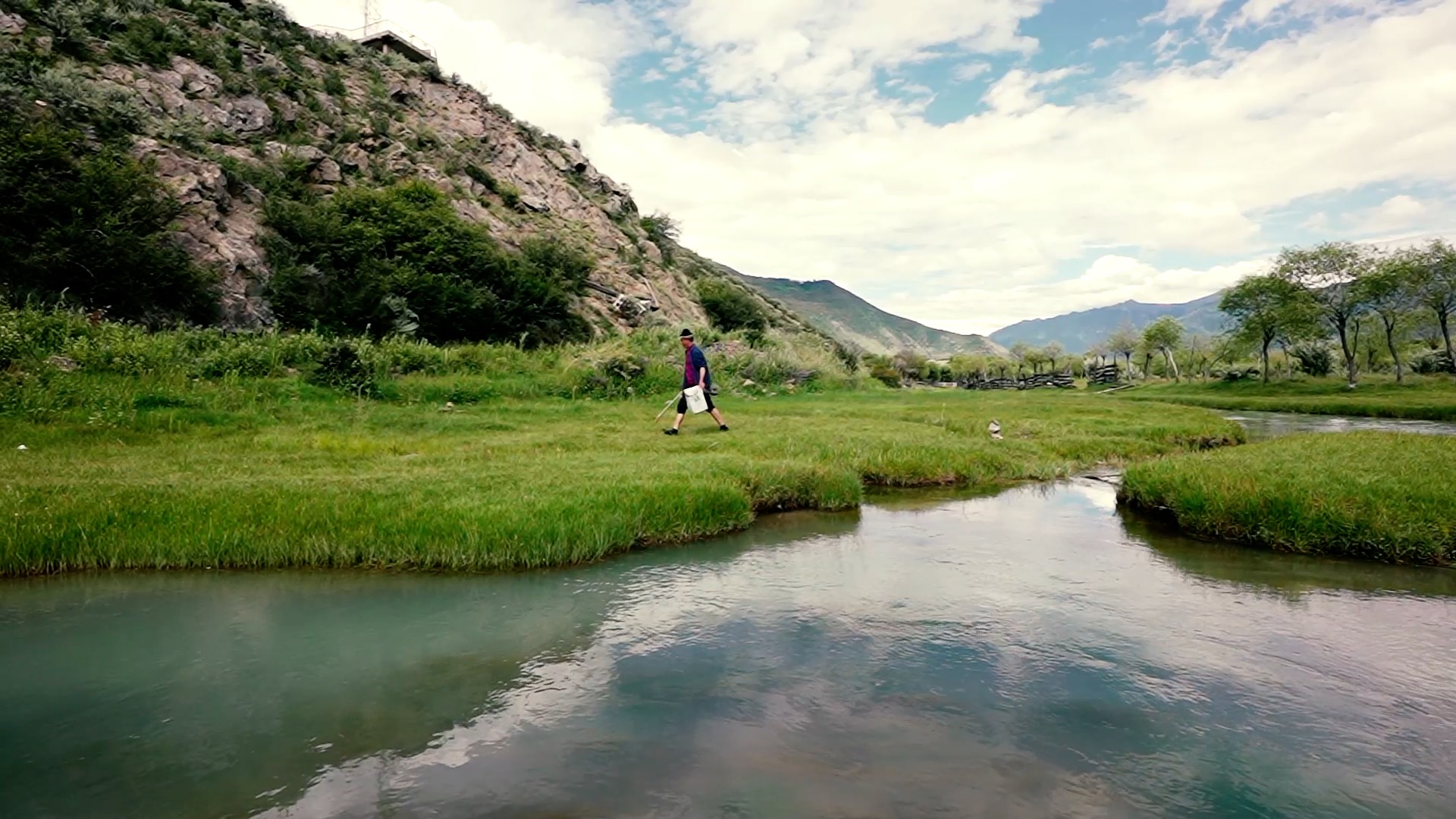
For Pajia, a 31-year-old wetland ranger in Zhongsaba village, the Nyang River is both a lifeline and a professional responsibility. Since his appointment in 2021, he has patrolled the Yani national wetland park, managing everything from fence repairs to waste removal. His daily circuit reflects a broader shift: the river, once marred by unregulated sand mining and debris, now hosts thriving populations of black-necked cranes and bar-headed geese. This grassroots labor is bolstered by state-led initiatives, including the comprehensive governance of 45.29 kilometers of river channels and the release of over 900,000 fish fry between 2018 and 2023.
The economic impact of these environmental gains is increasingly visible. In 2025, the Yani wetland park welcomed 150,000 visitors, generating more than 10 million yuan in local income. This influx has encouraged residents to pivot toward eco-tourism, guesthouses, and sustainable agriculture. According to Kelsang Tashi, a local official in the Bayi district, the strategy relies on integrating environmental protection into the daily lives of the residents, ensuring that ecological health is viewed as a prerequisite for long-term prosperity.
Beyond the Nyang River, these practices are scaling across Xizang. In Lhasa, reforestation projects are utilizing drone technology to plant native species on steep slopes at altitudes exceeding 4,000 meters, boasting survival rates above 95 percent. Meanwhile, in the remote Yarlung Zangbo River Grand Canyon, scientific teams are cataloging biodiversity, having identified over 50 new species since 2021. With more than 600,000 square kilometers now protected under strict ecological red lines, the region is formalizing a model where indigenous knowledge and modern scientific monitoring converge to secure the plateau’s future.



Comments (0)
No comments yet. Be the first!