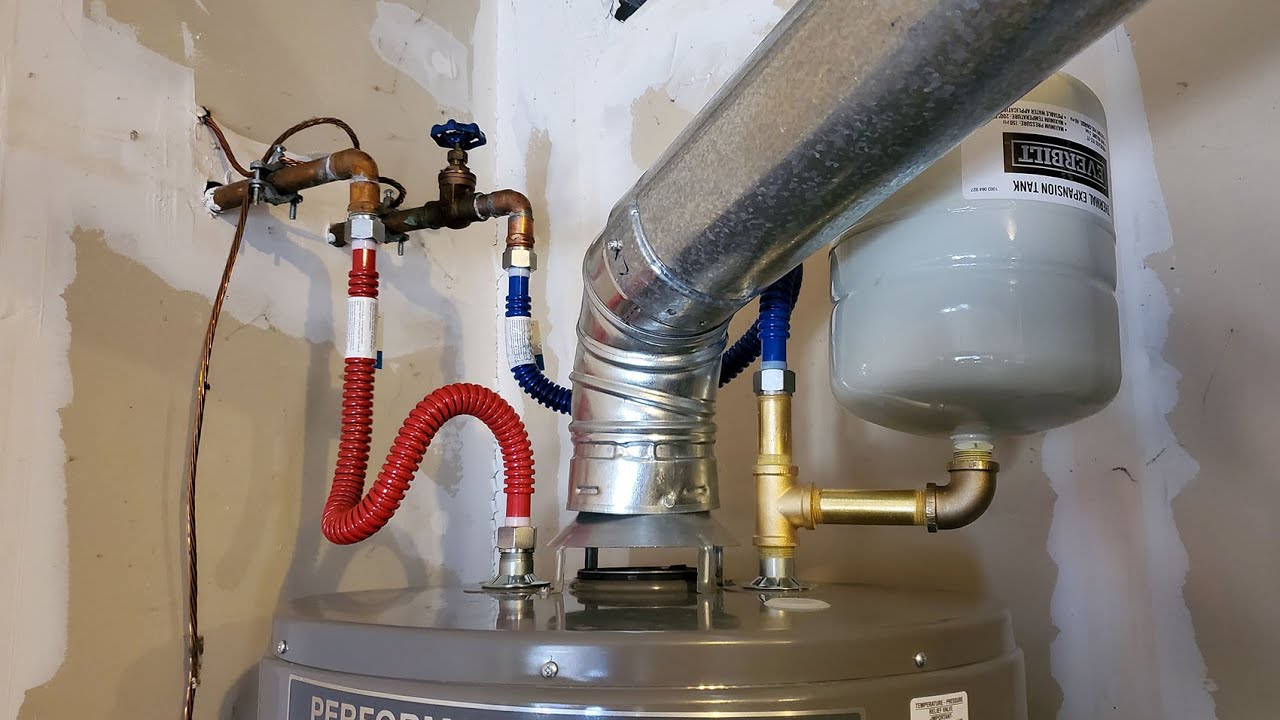
Most traditional tank systems reach their functional limit between eight and twelve years. While minor issues like a faulty valve or heating element are often manageable on younger units, systems nearing the end of their expected lifespan present a higher risk of catastrophic failure. Corrosion remains the primary threat, as internal rust often leads to leaks capable of causing significant property damage. Experts advise residents to remain vigilant for warning signs such as unusual noises, inconsistent water temperatures, or pooled moisture around the base of the tank.
Financial considerations extend beyond the immediate service bill. Frequent repairs on an aging system often surpass the cost of a new, more efficient model. Modern tank and tankless systems frequently offer improved energy performance that offsets higher upfront installation costs through lower monthly utility bills. Regional factors also play a critical role in Northern Nevada, where hard water accelerates sediment buildup and forces systems to work harder. Proactive maintenance and professional evaluations allow homeowners to move from reactive emergency fixes to planned, cost-effective infrastructure upgrades.


Comments (0)
No comments yet. Be the first!