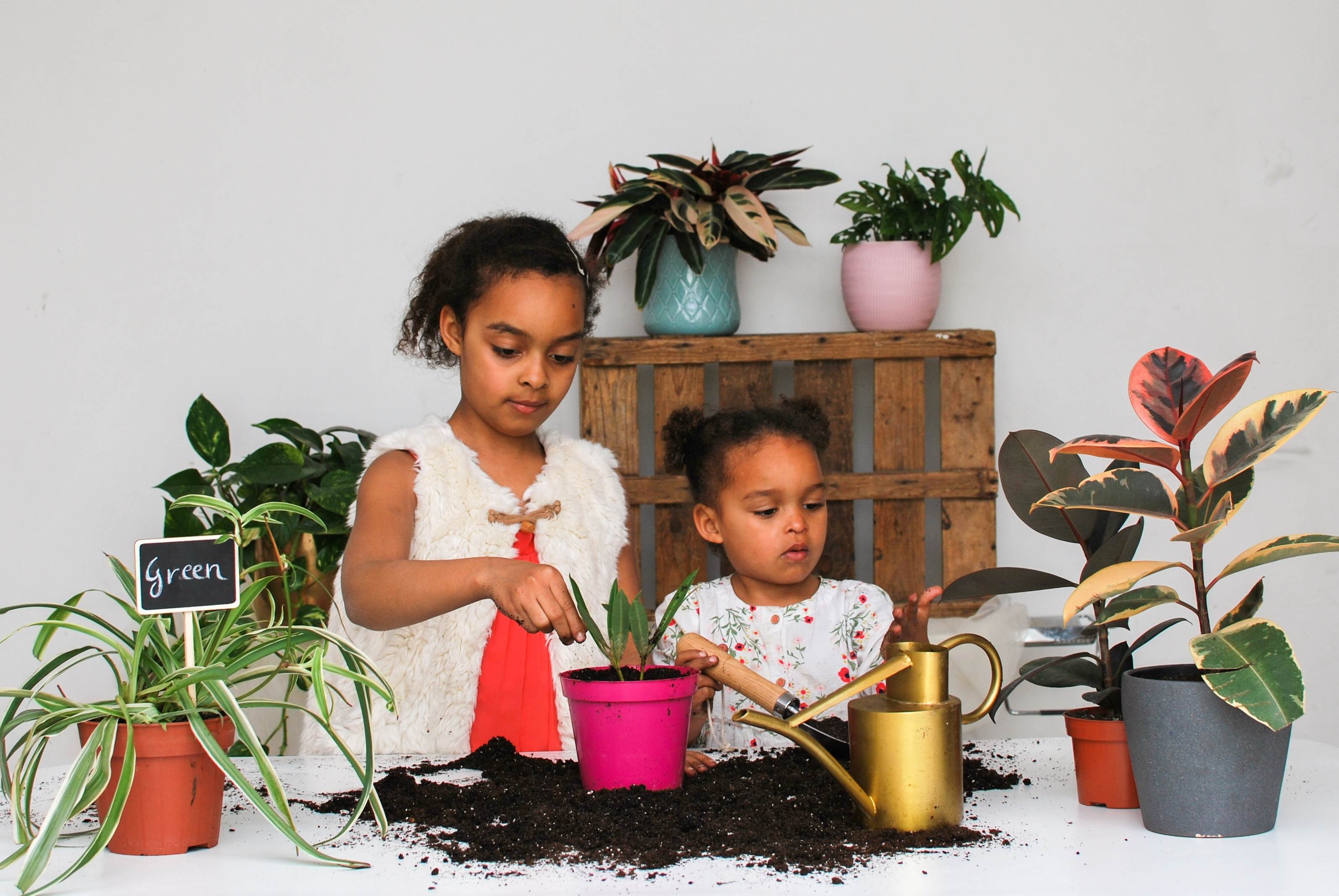
Nature-based learning integrates the environment into the daily curriculum rather than treating it as an extracurricular add-on. Children at centers like Link’s engage in hands-on tasks—such as counting pinecones for math or observing insect life for science—that replace traditional worksheets. By navigating uneven terrain and natural obstacles, children build physical coordination and spatial awareness, while the inherent unpredictability of the outdoors fosters critical thinking and resilience.
Contrary to the belief that outdoor education lacks structure, these programs rely on predictable routines that transition children between natural exploration and indoor reflection. Educators maintain safety through rigorous environmental assessments, teaching children to navigate risks and respect natural boundaries. Ultimately, this model cultivates environmental stewardship and emotional stability, allowing children to develop confidence through direct, sensory-rich experiences that classrooms alone cannot provide.



Comments (0)
No comments yet. Be the first!