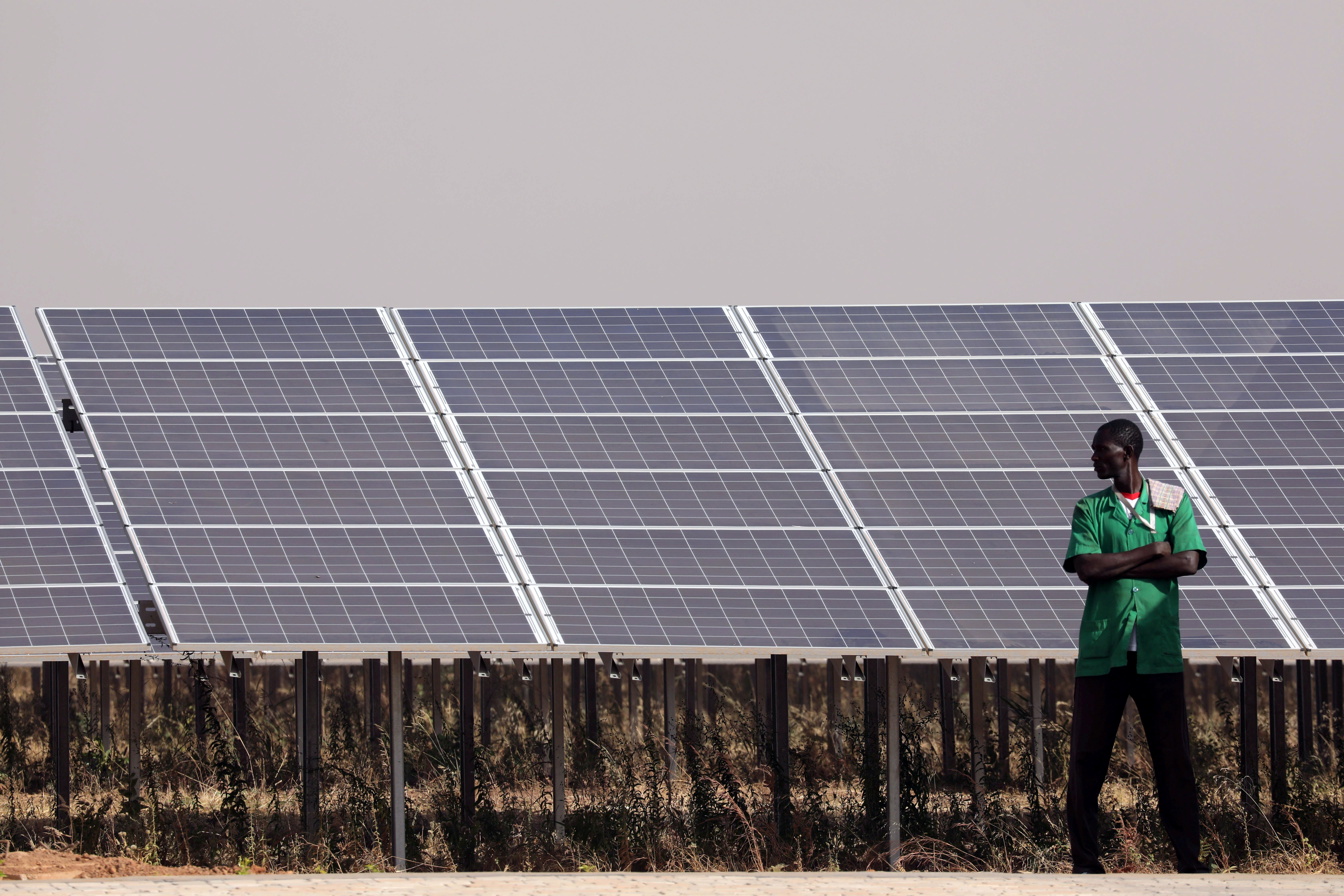
The initiative has mobilized nearly $15 billion in direct financing, supplemented by $4.5 billion in co-financing and $7 billion in partner pledges. This capital is being deployed across the entire energy value chain, prioritizing both on-grid infrastructure and off-grid solutions. By blending public grants, loan guarantees, and policy reform, the program is de-risking energy markets, allowing private providers to reach previously underserved rural and low-income areas.
Tanzania and Ethiopia serve as early benchmarks for this progress. In Tanzania, the pace of electrification has increased five-fold, bringing power to 7.5 million people, while Ethiopia has connected 4.6 million residents through targeted grid affordability reforms. These results stem from a shift toward National Energy Compacts, where 30 countries have now established country-led plans to integrate regional power systems and scale renewable capacity.
World Bank President Ajay Banga emphasized that the initiative is designed to outlast its 2030 deadline by establishing a sustainable platform for economic growth. With 30 countries already committed to energy compacts—and additional nations including Rwanda and Uganda set to join this week at the Africa Energy Forum—the coalition is now pivoting toward scaling private-sector participation to meet its 300-million-person target.


Comments (0)
No comments yet. Be the first!