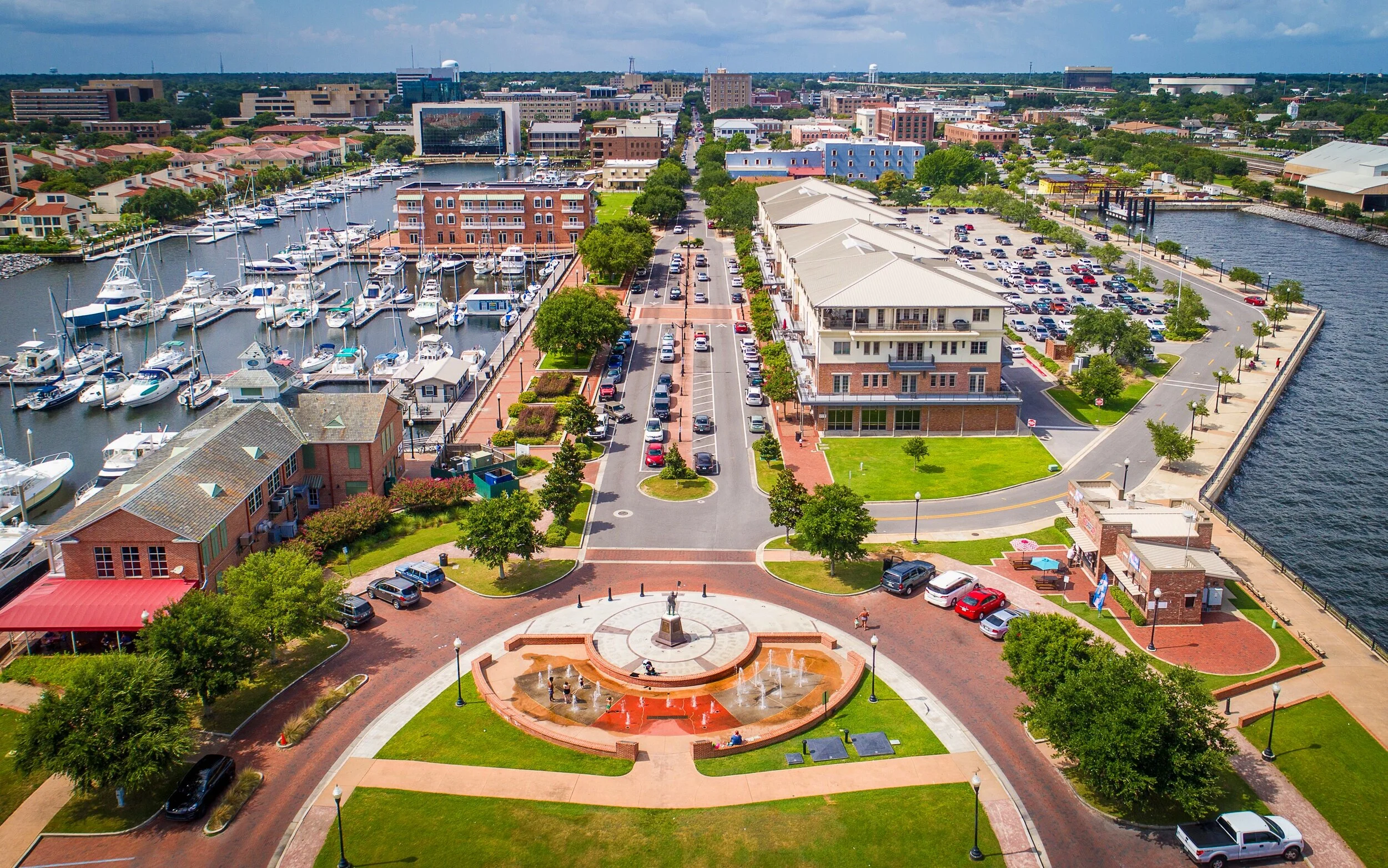
Seville Square remains the city’s most significant link to its colonial origins, reflecting the early influence of Spanish and British settlers who established the area as a military and civic hub. This district now serves as a focal point for the America’s First Settlement Trail, a three-mile corridor linking over seventy sites that document Pensacola’s long-standing role as a cornerstone of European settlement in America.
Beyond colonial history, the city’s residential character is defined by distinct cycles of growth. North Hill highlights the late-nineteenth-century expansion, showcasing well-preserved Queen Anne and Colonial Revival architecture that mirrors the era’s commercial success. In contrast, the Belmont-DeVilliers neighborhood offers a window into the early twentieth century, standing as a testament to a thriving African American community once defined by its prominent music venues and cultural institutions.
Dr. Cynthia Tant emphasizes that the preservation of these neighborhoods relies on active community engagement and a commitment to maintaining the architectural integrity of the city’s housing stock. For current homeowners, these districts offer more than just aesthetic value; they provide a tangible connection to the cultural heritage that continues to shape Pensacola today.



Comments (0)
No comments yet. Be the first!