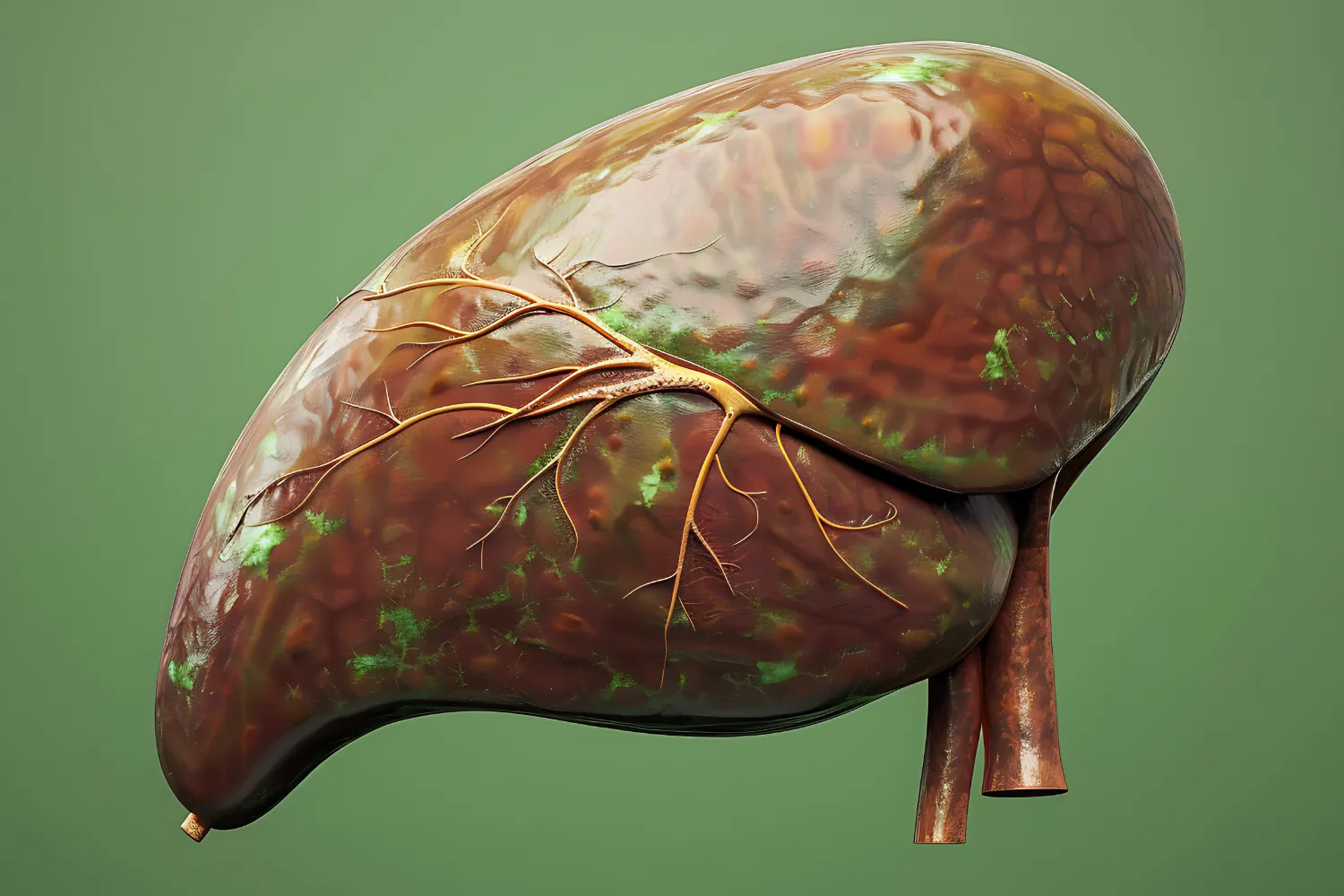
Insulin resistance forces the liver to store fat rather than break it down. As glucose levels fluctuate, this accumulation can trigger metabolic dysfunction-associated steatotic liver disease, or MASLD. If left unchecked, the resulting inflammation leads to scarring, eventually progressing to cirrhosis or liver failure. Dr. Jerome-Zapadka notes that the damage is often exacerbated by diets heavy in refined starches and fructose, which place unique stress on liver cells.
The condition extends far beyond blood sugar regulation, impacting everything from cardiovascular health to hormonal balance in conditions like PCOS. Research indicates that even individuals at a normal weight may exhibit markers of impaired sensitivity, such as elevated triglycerides or low HDL levels. These systemic issues reflect a broader trend of metabolic decline across the American population.
Reversing this trend requires a shift in both lifestyle and clinical strategy. Modest weight loss of 5 to 10 percent can significantly improve sensitivity, while therapeutic carbohydrate reduction helps stabilize systemic markers. Regular exercise, ranging from aerobic activity to high-intensity interval training, remains a powerful tool for metabolic repair. In some clinical cases, early detection allows patients to manage these risks through lifestyle changes, potentially reducing the need for long-term medication through a process of drug de-escalation.


Comments (0)
No comments yet. Be the first!