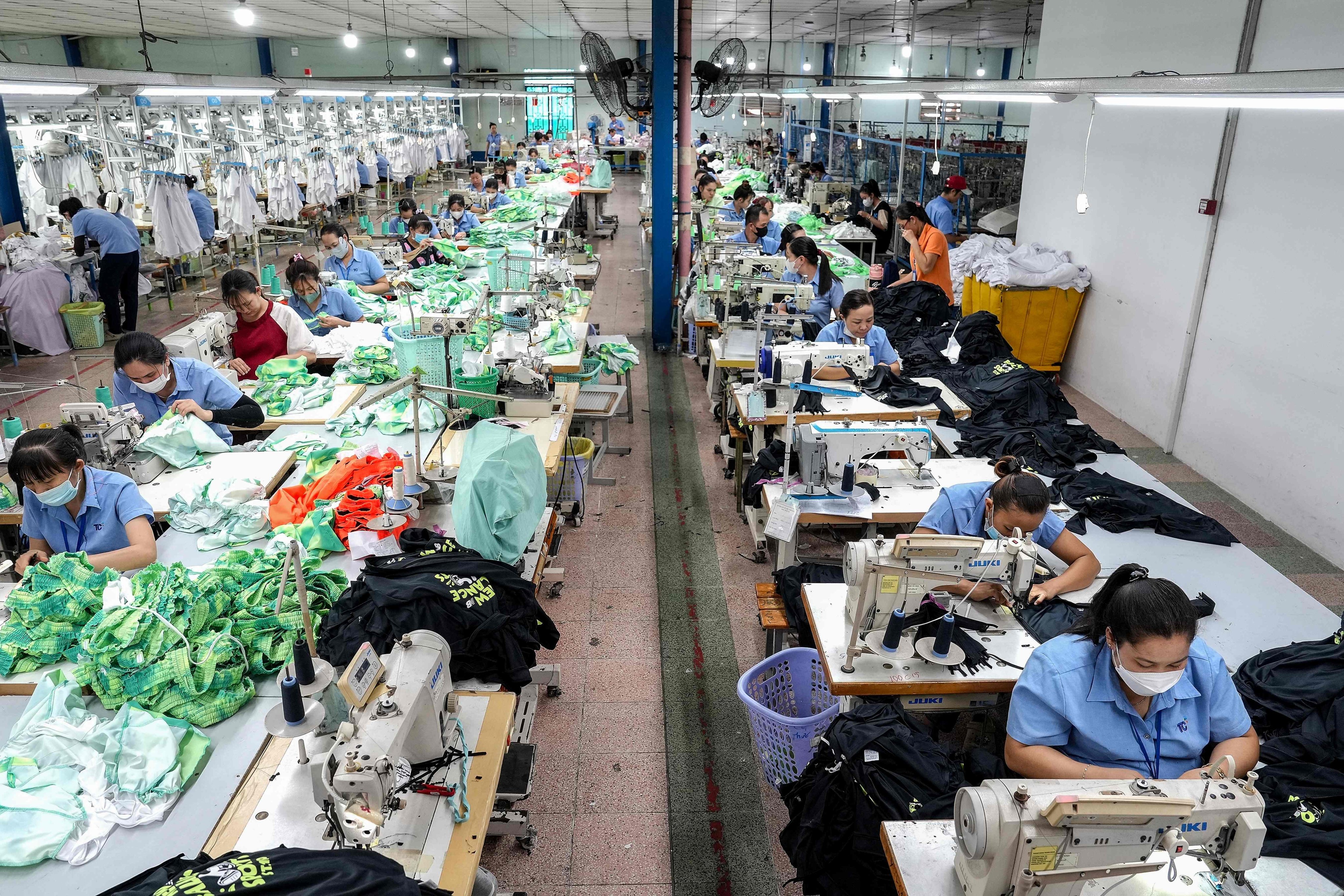
In its report Stitched Up, Amnesty said two-thirds of the workers it interviewed in 2023–24 were women. Many described long hours, wages that did not cover family living costs and abusive conditions. All but two of the 13 Bangladeshi workers interviewed said they had faced threats of retaliation for joining or attempting to form a union. More than two dozen organizers across the four countries reported harassment, dismissal and threats against themselves or colleagues.
A Bangladeshi labor rights activist identified as Taufiq told Amnesty that workers who speak up are ignored, those who organize are threatened or fired, and protesters can be beaten, shot at or arrested. Sumaayaa, a worker and organizer in Lahore, Pakistan, said she faced verbal and physical abuse, was ignored by management and was threatened with dismissal after asking other women to organize.
Amnesty said many workers were hired on informal contracts and lacked formal channels for reporting abuse, including violence and sexual harassment. It also cited Special Economic Zones in Bangladesh and Free Trade Zones in Sri Lanka, where administrative rules can obstruct union access and communication. In Bangladesh, the report said, workers are encouraged to form welfare associations or committees with limited capacity to organize collectively. Amnesty said restrictions on organizing and collective bargaining violate rights affirmed by the United Nations’ International Covenant on Civil and Political Rights and International Covenant on Economic, Social, and Cultural Rights.
A companion report, Abandoned by Fashion, examined companies’ responses to a survey. Adidas, ASOS, Shein, PVH and Marks and Spencer were among those with policies affirming freedom of association, but Amnesty found limited evidence of implementation at factory level. Adidas reported unions at 9.5% of its suppliers in Bangladesh, India and Pakistan. H&M said 29 of its 145 factories in Bangladesh had unions. The source also reports that none of 31 factories had unions, and that eight of 93 facilities in India did; it does not identify the company for those figures. At Next’s Bangladesh suppliers, 23 of 167 factories had independent unions, while 134 had less empowered committees.
Amnesty urged brands to make sourcing decisions that protect union rights, work with independent local unions, publicly track progress on their commitments and support workers campaigning for better wages and conditions. Secretary General Agnès Callamard said the industry’s economic success must go hand in hand with workers’ rights.


Comments (0)
No comments yet. Be the first!