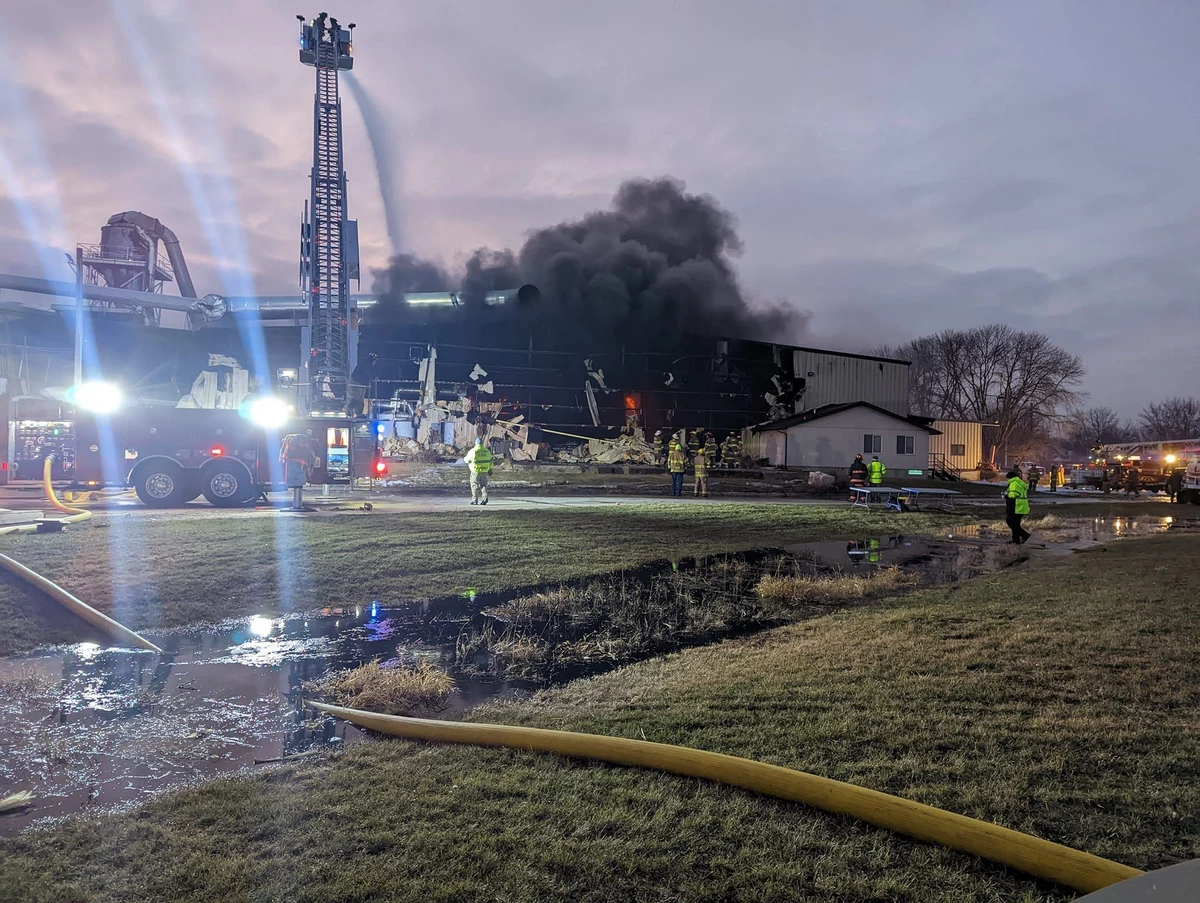
Smoke rose above the Iowa Ammunition Plant after the detonation, and witnesses reported feeling two or three explosions in quick succession. Some nearby residents taped their windows; some families followed evacuation advisories. The Army described the blast as controlled. Tennessee state Rep. Justin Pearson, a Democrat, challenged that description, saying residents should not have to evacuate for an explosion involving toxic chemicals and calling for clean air, water and soil.
Antiwar group CodePink called the detonation reckless and said a toxic plume could expose communities across southeastern Iowa to lead. It argued the incident reflected a longstanding pattern of harm to communities and ecosystems. The group also cited military pollution abroad, including contamination linked to depleted uranium munitions and Agent Orange. Its claims about the Iowa blast and wider military pollution were presented as warnings and criticism, not as confirmed findings about exposure from Wednesday’s detonation.
Earthjustice, which sued to stop the blast, said the Army knew the lead azide was deteriorating from 2009 and that it had become unstable by March. The group said most Iowans and public officials learned of the detonation plan only days beforehand, and argued the Army had not explained why it allowed the material to degrade until alternatives were too dangerous. The detonation had originally been scheduled for November 20. A temporary stay was lifted after the Army agreed to additional protective measures.
The lawsuit was brought on behalf of the Iowa chapter of the Sierra Club and the Iowa Environmental Council. Council executive director Sarah Green said the Army’s lack of communication and preparation prompted residents to demand transparency. Sierra Club Iowa attorney Wally Taylor called for officials to remain involved until cleanup is complete and the risk of lead harm is under control. CodePink also linked its opposition to military pollution with climate and environmental justice concerns, criticizing the Pentagon’s proposed $1.5 trillion budget.



Comments (0)
No comments yet. Be the first!