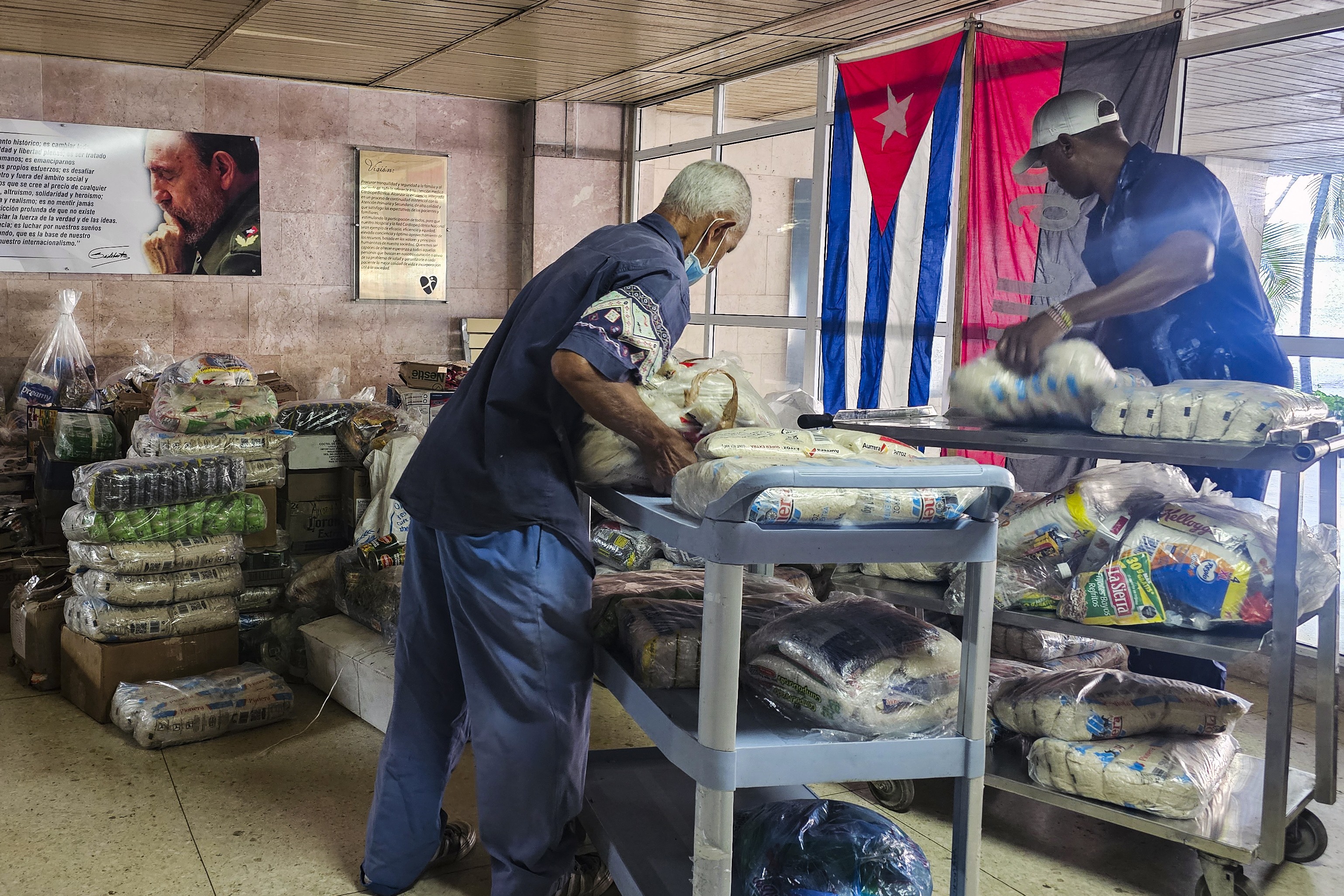
Tedros said the girl’s doctors knew how to treat her but lacked the resources. He cited nearly 100,000 surgeries awaiting patients in Cuba, including 12,000 involving children, and said about 34,000 pregnant women could not access the care they needed. “Health must never be a casualty of politics,” he said.
The appeal comes amid reports of potentially life-threatening treatment delays. An Associated Press report in June on Cuban children with cancer quoted a doctor saying, “we've had dead children.” The report also described Adriana Felipe’s concern that her daughter’s cancer treatment was at risk; she urged US officials to “soften their hearts.”
The Trump administration says food and medicine are exempt from sanctions and that the policy is intended to press Cuba’s government toward political and economic reform. But restrictions affecting financial transactions, energy supplies and third-country businesses have made it harder for Cuba to secure critical goods. CBS News reported earlier this month that foreign companies, fearing US penalties, were increasingly reluctant to sell food and medical supplies to the island. Hospitals were also reported to be short of cancer drugs, anesthetics and laboratory equipment.
Cuba’s life expectancy has fallen for the first time since records began in 1950, according to the article. On October 28, the UN General Assembly voted 130-17, with 25 abstentions, for a nonbinding resolution calling for an end to the embargo. It was the 34th consecutive year the assembly had done so. Former British Labour Party leader Jeremy Corbyn, now head of the socialist Your Party, also condemned the blockade in an interview with Novara Media, calling it “a crime against humanity.”

Comments (0)
No comments yet. Be the first!