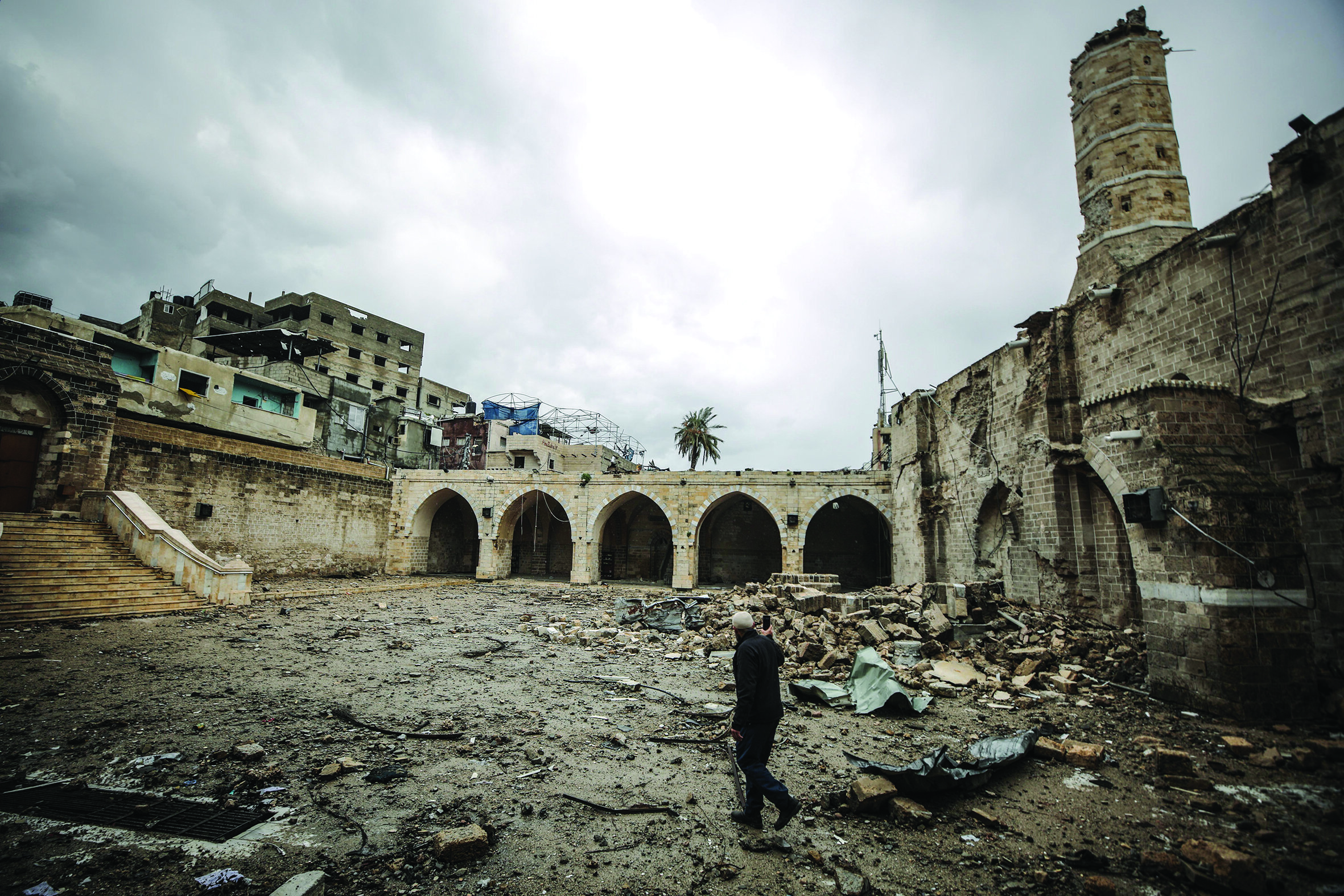
The sentiment in Gaza is one of profound detachment. For residents, the parliamentary contest between Prime Minister Benjamin Netanyahu and opposition leader Gadi Eisenkot offers no promise of relief. One young man, Mahmoud, summarized the prevailing mood: he is simply waiting to see who will authorize the next strike, regardless of which coalition eventually claims power. The consensus among displaced families is that the core policies of the Israeli state remain immutable, whether driven by the right or the opposition.
With 90% of the vote counted, projections indicate a deadlock. Netanyahu’s right-wing bloc is currently tracking toward 53 seats, while Eisenkot’s opposition holds 48. Neither has reached the 61-seat threshold required for a majority in the 120-member Knesset. Despite the fierce political friction in Jerusalem, the strategic approach toward the occupied West Bank and Gaza shows little variance. Both major candidates have explicitly dismissed the possibility of Palestinian statehood, viewing such a prospect as a fundamental threat to the state’s security architecture.
Public figures have reinforced this skepticism. Alana Hadid, a Palestinian American designer, noted that while the aesthetic of Zionism might shift between administrations, the underlying intent remains constant. For those in refugee camps, where the death toll from the ongoing conflict has reached staggering levels, the election is not a democratic process but a continuation of a status quo that offers no protection or path toward peace.


Comments (0)
No comments yet. Be the first!