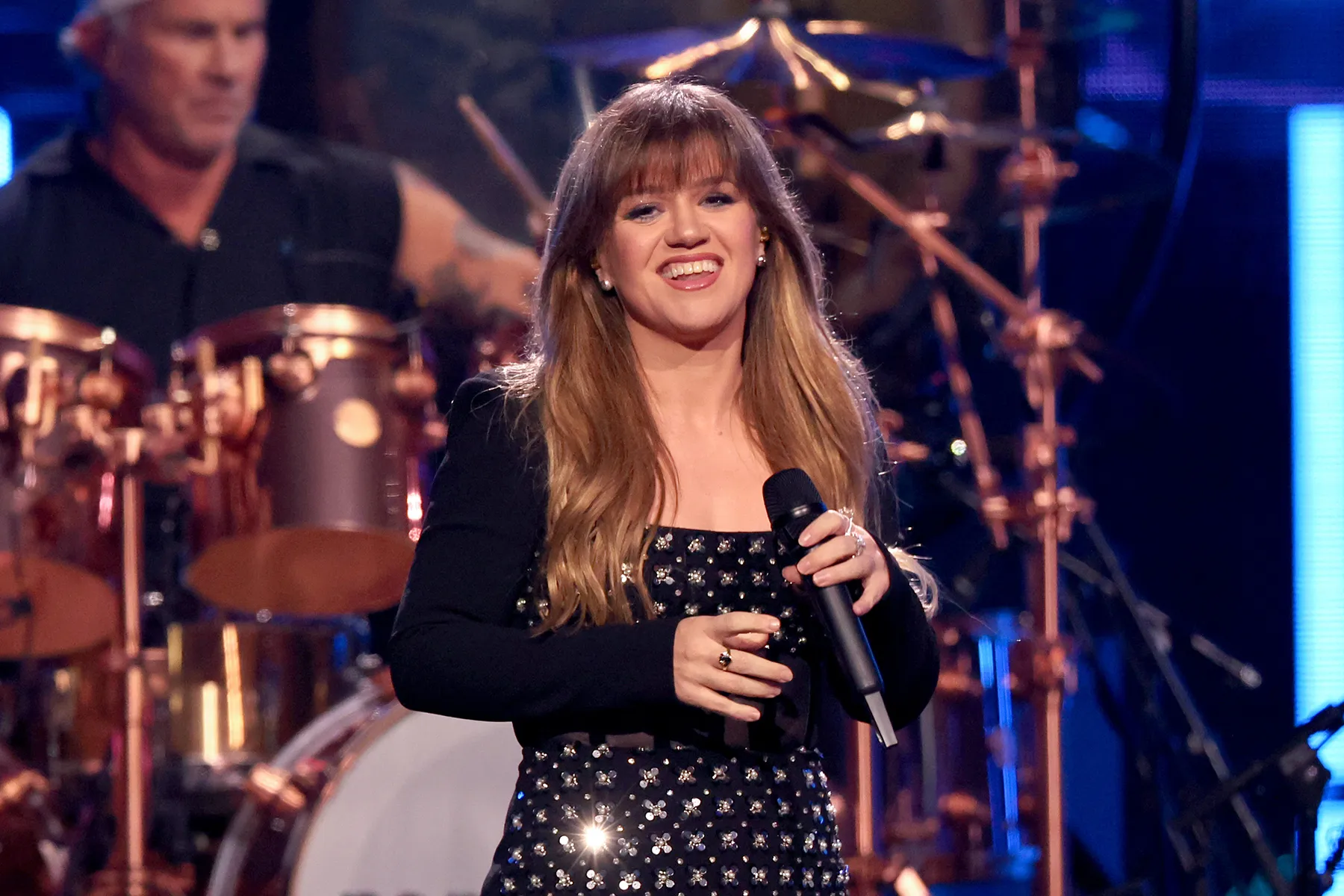
Kelly Clarkson’s recent visit to the Brooklyn store Art of Play ended in a digital standoff after she criticized an employee for being dismissive. The singer claimed the staffer suggested she could not afford a mechanical automaton, drawing a comparison to the film "Pretty Woman." The shop countered that the item, named "Molly," is a permanent display fixture and not for sale, framing the incident as a misunderstanding. Despite the explanation, the singer’s public post triggered a wave of online backlash against the retailer.
This incident mirrors several previous high-profile confrontations. Serena Williams has utilized her platform to critique both a hotel’s use of cotton stalks as decor and a Paris restaurant’s policy when she was denied a table. Similarly, Demi Lovato drew national attention in 2021 by labeling a Los Angeles frozen yogurt shop "diet culture vultures" for its product placement, a move that prompted a public apology after the business faced unwarranted scrutiny. James Corden also faced a professional fallout in 2022 when a Manhattan restaurateur publicly banned him for alleged mistreatment of waitstaff, leading to a televised apology.
These episodes underscore the volatility of celebrity influence. While public figures often use their accounts to demand accountability or express personal discomfort, the resulting "beast mode" responses from fans can overwhelm small businesses that lack the resources to defend their reputations against a global audience.


Comments (0)
No comments yet. Be the first!