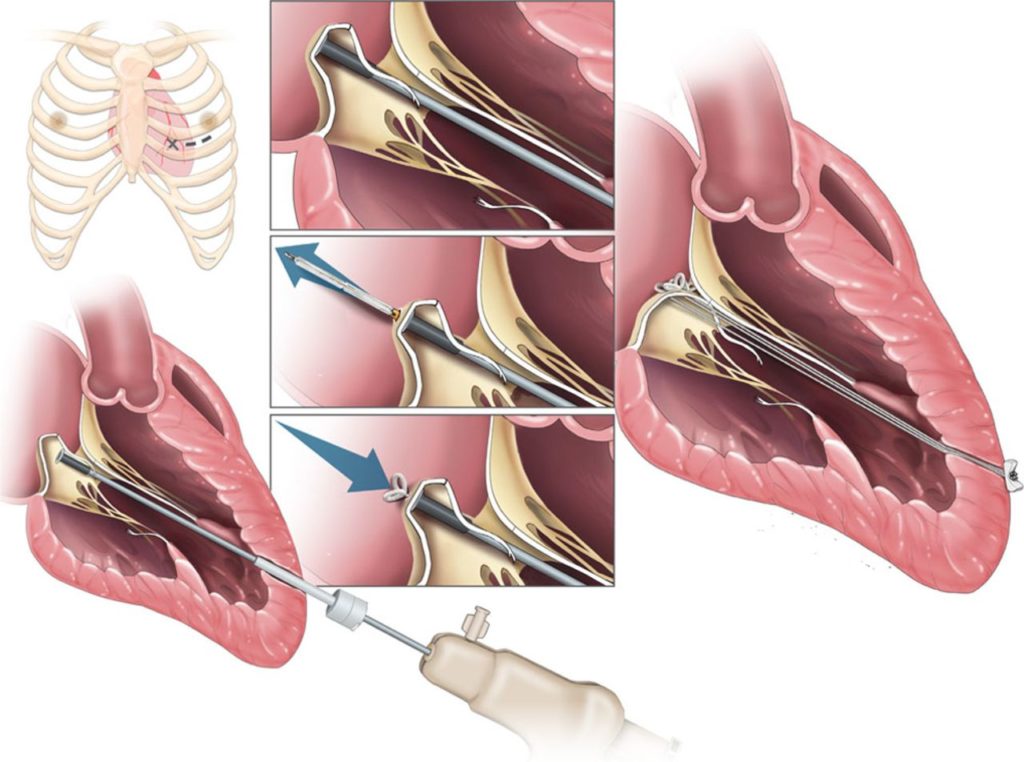
The study, titled Long-Term Durability After Successful M-TEER: Insights from a Large, Real-World Imaging Database, addresses a critical knowledge gap in structural heart interventions. While procedures for mitral regurgitation have become more common, clinical data regarding how these devices hold up over several years remains sparse. Dr. Saxon’s analysis examines a cohort of over 2,000 patients who underwent successful M-TEER procedures, tracking their progress through serial echocardiograms and clinical outcomes for up to three years.
Traditional datasets often struggle to connect device performance with patient survival. Procedural registries frequently prioritize short-term results, while Medicare claims data provide survival insights without capturing the specifics of device failure. The egnite Registry, which houses de-identified information from 14 million patients and 6 million echocardiograms, allows Dr. Saxon to bridge these two perspectives. By modeling the impact of recurrent mitral regurgitation on long-term health, the research aims to provide clearer guidance for clinicians managing lower-risk populations.


Comments (0)
No comments yet. Be the first!