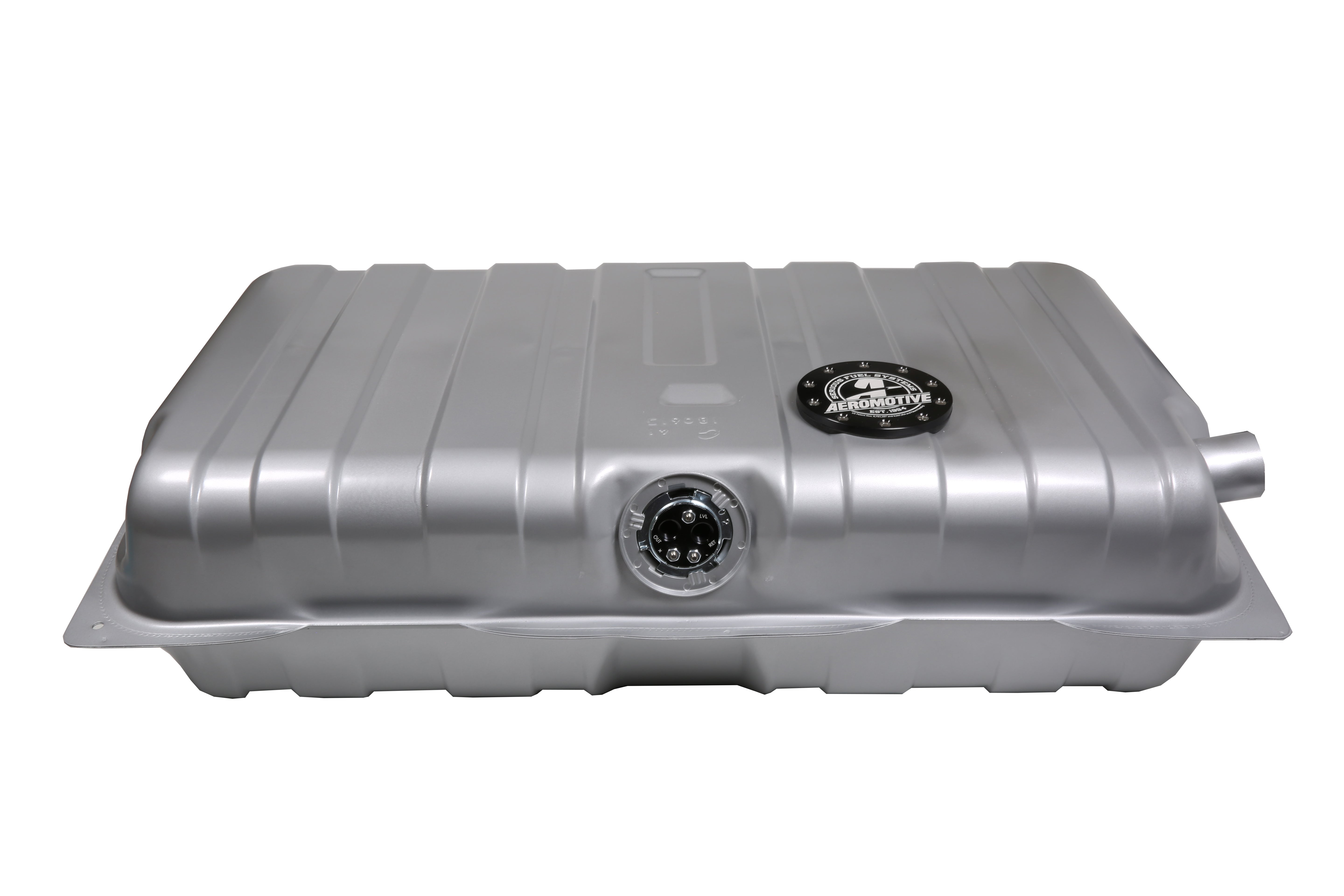
Manufacturers are currently pivoting away from standard fuel tank designs to meet increasingly rigid emissions standards and complex vehicle architectures. The transition toward high-density polyethylene plastic tanks is gaining momentum as companies prioritize weight reduction and improved fuel containment. Meanwhile, the surge in hybrid and plug-in hybrid vehicle production is forcing a move toward pressure-resistant systems capable of advanced vapor management and leak detection.
Regional dynamics are also shifting, particularly in the Asia-Pacific market. In India, the rapid adoption of CNG and hybrid fleets has spurred localized production efforts, exemplified by OPmobility’s recent manufacturing expansion in Maharashtra and Motherson Yachiyo’s facility in Rajasthan. In this region, saddle-type tanks have become a dominant solution; their split-chamber design allows engineers to navigate the cramped underbody spaces of modern all-wheel-drive vehicles without sacrificing fuel capacity.
Competitive pressure remains high, with the top five global players—including OPmobility, Kautex Textron, and TI Automotive—controlling nearly 40% of the market. Strategic consolidation, such as Motherson’s $158.5 million acquisition of Yachiyo’s four-wheel business, highlights a broader trend: suppliers are no longer just selling tanks. They are evolving into providers of integrated fuel modules that combine sensing, delivery, and emission control into a single, application-specific package.

Comments (0)
No comments yet. Be the first!