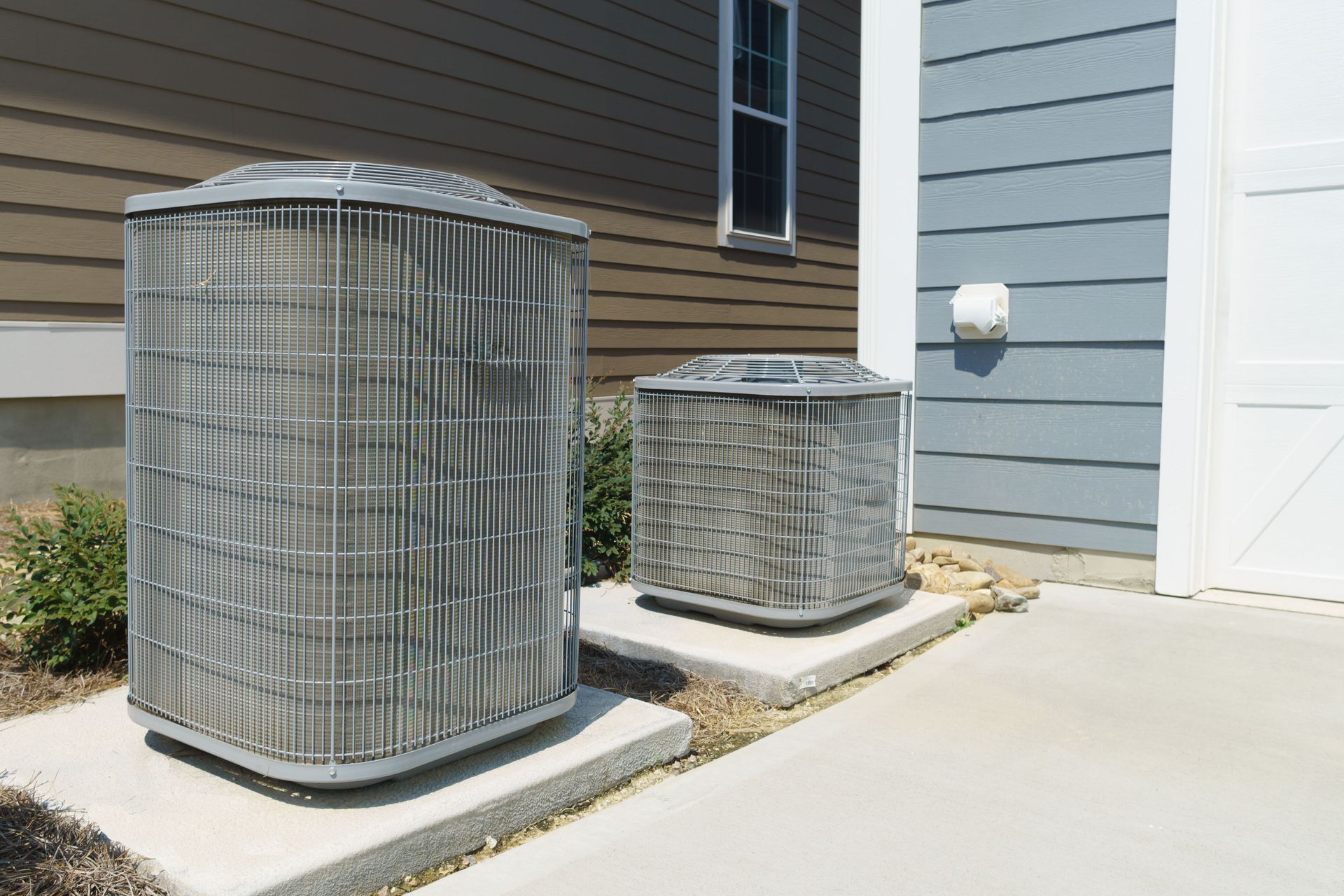
Many homeowners mistakenly assume that larger equipment provides superior climate control, but oversized units frequently trigger short cycling. This phenomenon occurs when a system reaches its temperature target too rapidly and shuts down prematurely. Because the unit does not run long enough, it fails to properly dehumidify the air, leaving rooms feeling damp and unevenly conditioned.
Effective system sizing requires a professional load calculation that goes far beyond simple square footage. Zokan emphasizes that variables like insulation quality, window placement, ceiling height, and air leakage dictate the actual capacity required for a space. Even the existing ductwork plays a critical role, as forcing high volumes of air through undersized ducts results in excessive noise and mechanical strain.
Homeowners should also account for previous renovations when selecting a replacement unit. Changes such as new window installations or added insulation alter a property's thermal profile, meaning a direct swap for an older, identically sized unit may no longer be appropriate. Proper sizing ensures the system operates through steady cycles, which optimizes energy efficiency and extends the lifespan of internal components.



Comments (0)
No comments yet. Be the first!