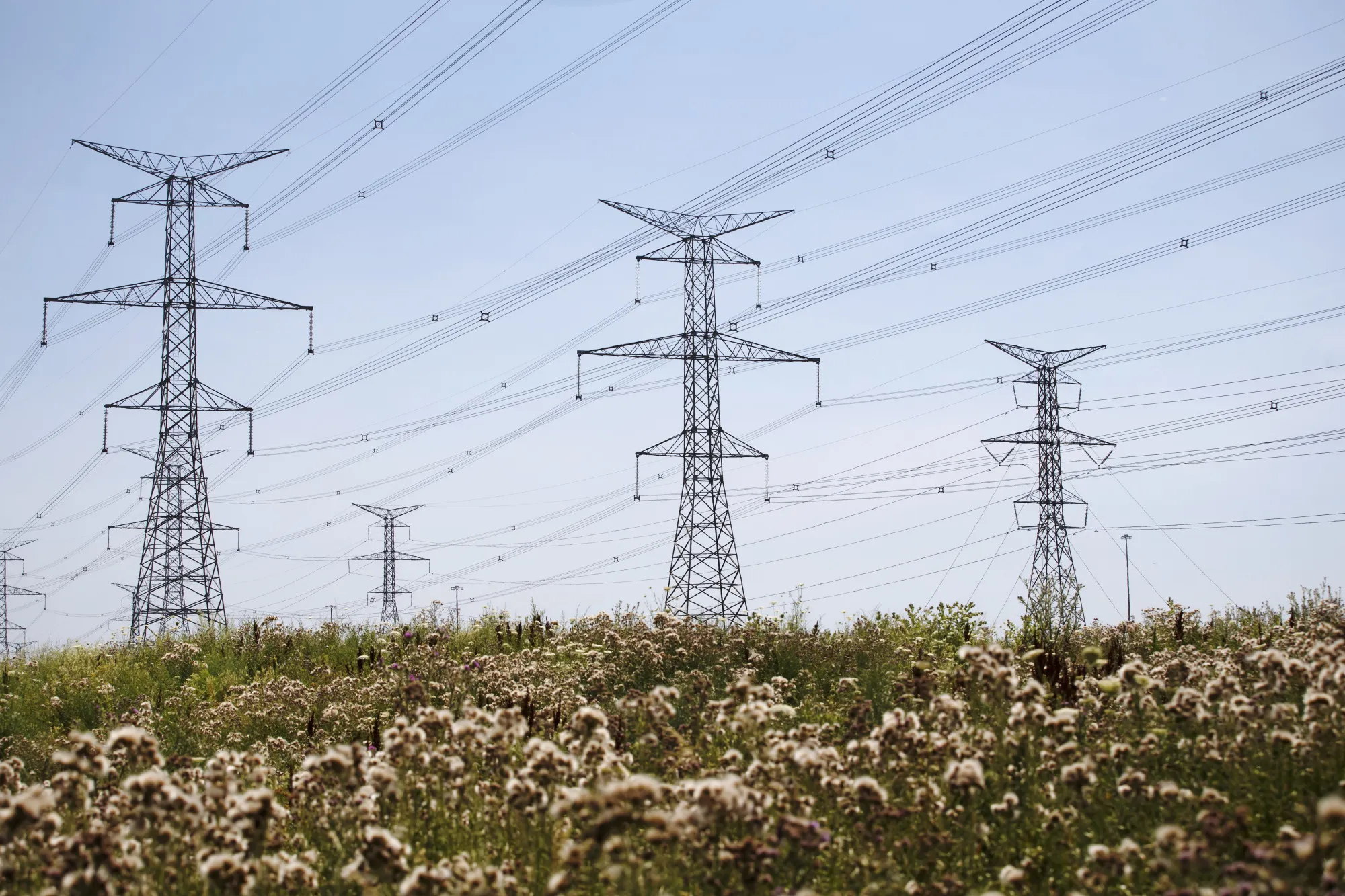
The proposed 2028-2032 strategy focuses on large-scale modernization to support the province’s long-term economic growth. Company leadership emphasizes that the investment is critical for maintaining a competitive edge as Ontario's electricity needs surge. According to CEO Megan Telford, the plan prioritizes system resilience by integrating advanced technology and replacing outdated components that have become vulnerable to evolving security risks.
Key technical upgrades include the addition of 6,000 megawatts of transmission capacity and the modernization of 1,400 kilometres of lines. The utility also plans to replace or refurbish 85,000 distribution poles and equip 90 per cent of major lines with smart switching technology to automate outage detection and restoration. Additionally, the deployment of 5,400 residential energy storage systems is designed to reduce the duration of outages by 95 per cent for the hardest-hit customers.
If the Ontario Energy Board approves the application, the financial impact on residential ratepayers would be incremental. Typical medium-density customers could see a $0.50 monthly increase in 2028 for transmission, with an average annual rise of $1.14 through 2032. Distribution base charges are expected to decrease slightly in 2028 due to the Distribution Rate Protection Program and proposed customer refunds. Beyond technical upgrades, the utility intends to foster economic reconciliation by creating partnership opportunities for Indigenous communities and businesses throughout the execution of these projects.

Comments (0)
No comments yet. Be the first!