The WMO’s State of Global Water Resources 2025 report highlights a grim reality: the buffers that historically shielded humanity from short-term droughts are failing. Since the mid-2010s, total stored water—encompassing lakes, rivers, ice, and soil moisture—has consistently fallen. Last year marked the fourth consecutive period of widespread glacier loss, with recent melting equivalent to 560 million Olympic-sized swimming pools.
River discharge data reinforces this instability, as 2025 ranked among the driest years in over three decades. With below-normal flows affecting a third of the global basin area, the number of river systems operating under normal conditions has remained in the minority for seven straight years. This volatility is further compounded by a warming climate and a persistent El Niño phase, which experts expect to drive extreme weather through early 2027.
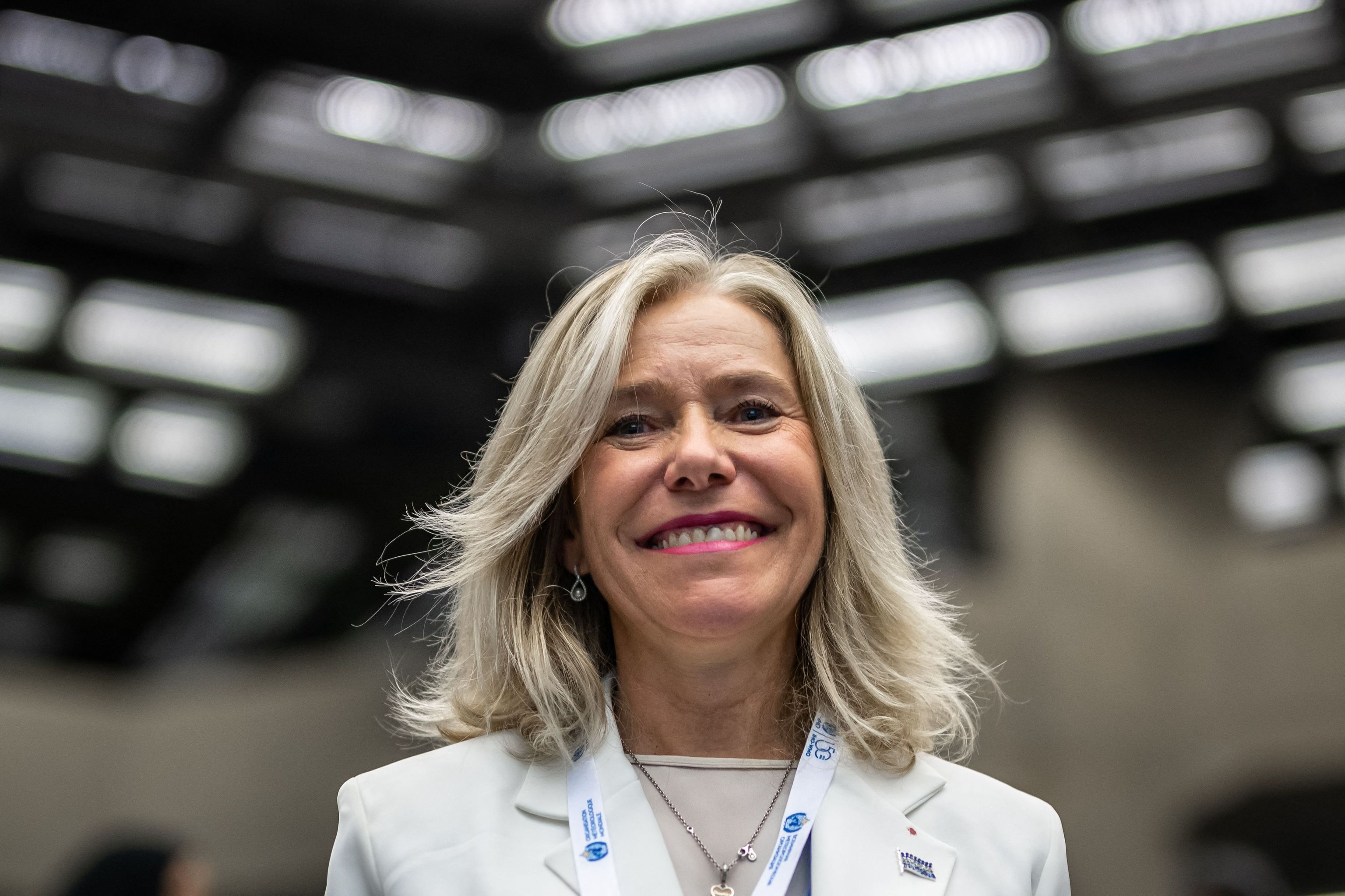
The human cost is mounting, particularly in Asia and Africa, which account for over 80% of deaths associated with hydrological disasters. While some regions, such as parts of South America and Southern Africa, saw localized water storage recovery, the overall trend points toward a structural crisis. Saulo urged nations to prioritize hydrological monitoring infrastructure and shift management policies to address the rapid erosion of these critical natural buffers.


Comments (0)
No comments yet. Be the first!