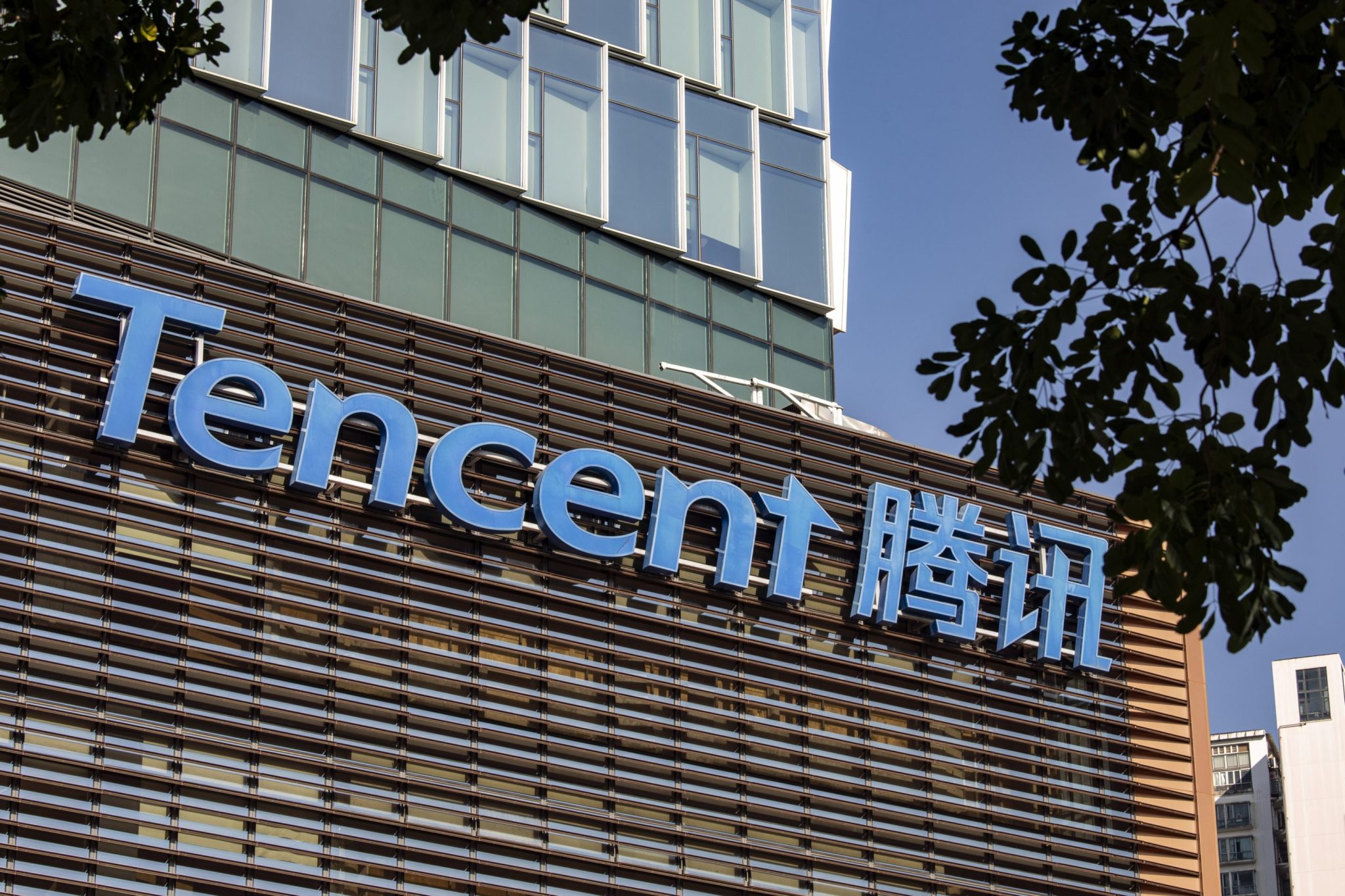
The IDC report underscores a significant shift in the managed edge market, where basic network proximity and content delivery performance are now considered standard requirements. To maintain a competitive edge, vendors are increasingly evaluated on their capacity to handle AI inference, including GPU availability, model deployment tooling, and latency efficiency. Tencent Cloud addresses these demands through its EdgeOne platform, which has evolved into a foundation for AI-native applications by moving compute resources closer to end users.
Central to this strategy is Booster, an edge AI inference platform designed to facilitate real-time interactions in gaming, media, and e-commerce. By shifting tasks like image generation and voice processing to the edge, the platform achieves millisecond-level response times. Complementing this is the company’s hosting tool, Makers, which supports the deployment of AI agents and web applications. Currently, Makers serves over 500,000 users and hosts more than one million websites, catering to sectors ranging from healthcare to cross-border retail.
With a network spanning 3,200 edge nodes and 400Tbps of capacity, Tencent Cloud continues to dominate the Chinese gaming market, powering titles such as Farlight 84 and Mecha BREAK. Beyond gaming, the infrastructure supports 80% of the top 10 Chinese-based outbound audio and video applications. These capabilities have earned the company recognition not only from IDC but also as a representative vendor in three Gartner Market Guides, solidifying its position in the global transition toward AI-driven edge computing.

1.jpg)

Comments (0)
No comments yet. Be the first!