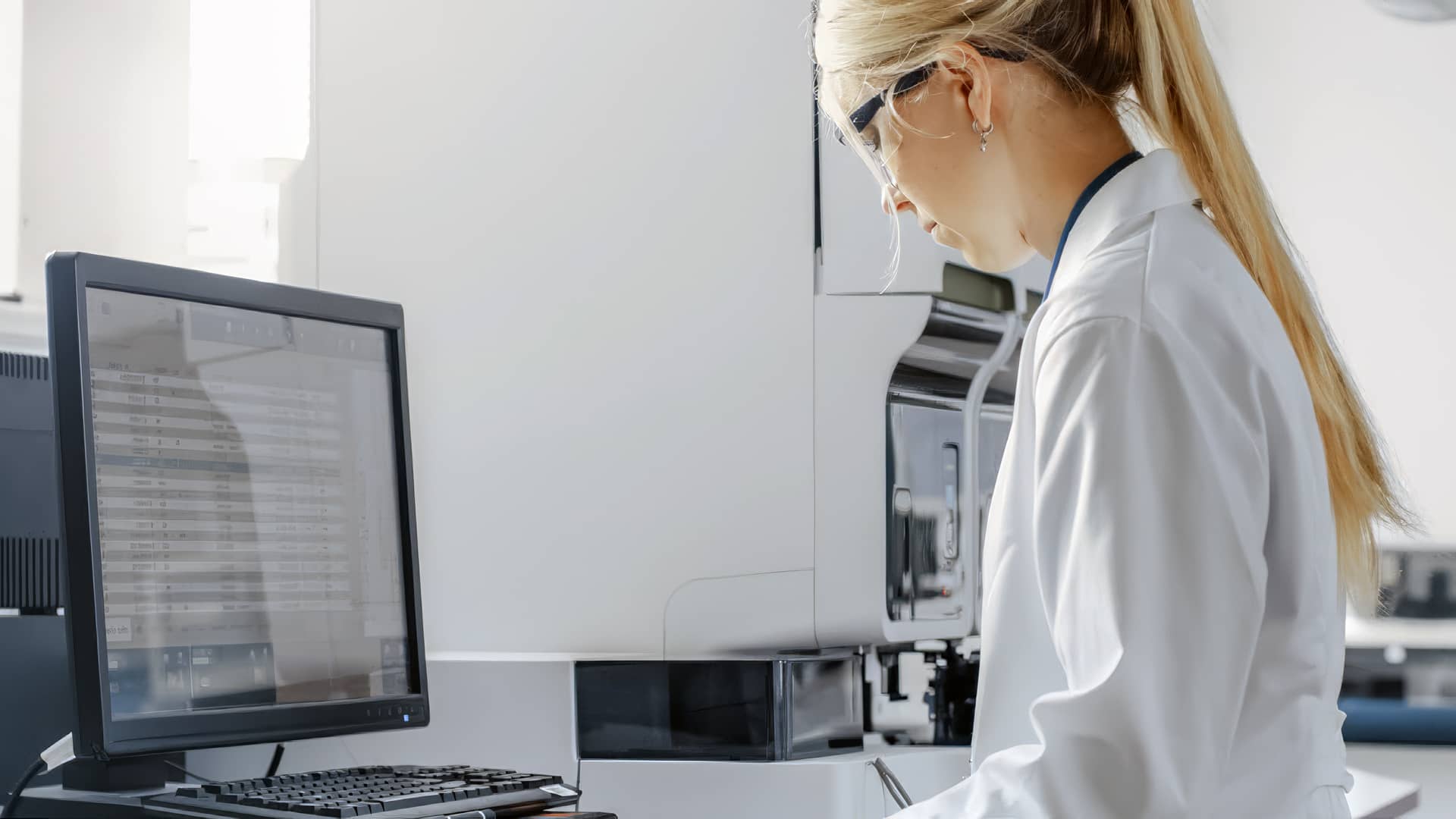
Growth in the sector is anchored by the widespread adoption of automated, portable PCR platforms, which have become standard in diagnostic laboratories and clinical settings. These tools offer high sensitivity and specificity for identifying viral and bacterial infections, including HIV, hepatitis, and tuberculosis. While instruments remain a critical component of the infrastructure, reagents and consumables continue to command the largest market share—accounting for 65% of the total in 2025—due to their recurring necessity in daily diagnostic and research workflows.
Technological innovation is rapidly shifting the competitive landscape, with digital PCR emerging as a high-growth segment projected to register a 9.5% CAGR over the next five years. Emerging methodologies, such as microfluidic and photonic PCR, are further refining the process by enabling ultrafast amplification and reducing energy consumption. Major industry players, including F. Hoffmann-La Roche, Thermo Fisher Scientific, and QIAGEN, are actively consolidating their positions through strategic acquisitions and partnerships to integrate these advanced capabilities into broader oncology and infectious disease screening portfolios.



Comments (0)
No comments yet. Be the first!